The questions posed not so very long ago now are now shadows barely remembered — in 2005-2006, the question was "What's it gonna be, boy" and Gregg Doyel and Greg Wyshynski debated in the national press whether Oklahoma City would ever get an NBA team. In 2007 the Hornets returned to New Orleans but not without heartfelt sadness and nostalgia by those of us left behind in the post-Katrina wake. But, in July 2006, the Seattle SuperSonics were purchased by a group of Oklahoma City investors, they committing to stay in the Seattle area if a new contract and arena were accomplished by October 31, 2007, but, otherwise, all bets were off. When Seattle and Washington State fumbled and did not deliver, Oklahoma City was given a golden opportunity, but we'd need to move quickly. We'd need to upgrade our arena, which we voted to do. The NBA would need to approve of the relocation, which it did. By October 2008, the former Seattle team played its 1st preseason game when associated with the name, "Oklahoma City Thunder."
But, with our not-altogether-unrequited love affair with the Hornets, would the Thunder ever really be embraced by us as our team? After a dismal 1-12 start, after the November 21 loss to the Hornets, P.J. Carlesimo was fired and Scott Brooks was hired as interim coach and he brought his team to 23-59 by season's end, after which he became the actual head coach. The fans were good with the progress. A playoff team, though, was thought to be 2-3 seasons in the future.
Here we are at the All-Star Break, 2010, and that future is incredibly and realistically reachable on the horizon by the time this regular season ends on April 14. At the 2010 All Star Break, the Thunder's record is 30-21, 5th seed in the Western Conference and the team is on a 6-game winning streak. Kevin Durant will play in the All Star Game this weekend and Russell Westbrook was last week's Western Conference player of the month.
What a difference a season makes, and I don't mean only the team and individual member accomplishments — I mean the city's acceptance of this Thunder team as their own. Like the turnaround of the win-loss record, the embracement of the Thunder and letting-go of the Hornets has not been easy to come by.
But, it has occurred. By the time that the New Orleans Hornets visited (and beat) the Oklahoma City Thunder on January 6, 2010, after giving Chris Paul, David West and others a warm welcome during team introductions, Oklahoma City fans had no reluctance to boo when they felt that Paul was receiving overly generous calls by the officials — Paul later said that he was surprised by that. After all, this city was where both he was introduced into the NBA, and we it.
Love lost?
No, not lost, just put where it belongs, in the past.
I was at that January 6 game and badly wanted for MY team, OUR team, to whip those Cajun guys. We didn't (and I still think we was robbed of a win by the officials), but about a month later, on February 3, we did, whipping the Bees on their home court. If nothing else, that game broke a string of 10 consecutive losses to the Hornets spanning back to Seattle days. As — if not more — gratifying to me and others was the fierceness with which Oklahoma City FANS wanted to win both of those games against our first love — fans who now embrace without reservation the former Seattle team as their own.
It is good that the team members feel at home here as they reportedly do but it is just as good, probably better, that the fans feel the same way. Thunder is good.
Thunder is really, really good
Shown above are Russell Westbrook, my new little brother, and Kevin Durant, King of Oklahoma City.
Doug Dawgz note, irrelevant to this article but important that you know: Why only this single post during the month of January 2010? I've been very actively involved with several others in an as yet super-secret new, very serious, and ultra-exciting project related to Oklahoma City history. The wraps aren't off on this new adventure yet but should be by Spring 2010. So, even though my January blog posts don't show it, don't think that I've not been busy with Oklahoma City history. Within two or three months or so, you will know what's been going on and, if Oklahoma City history interests you, you will love it.
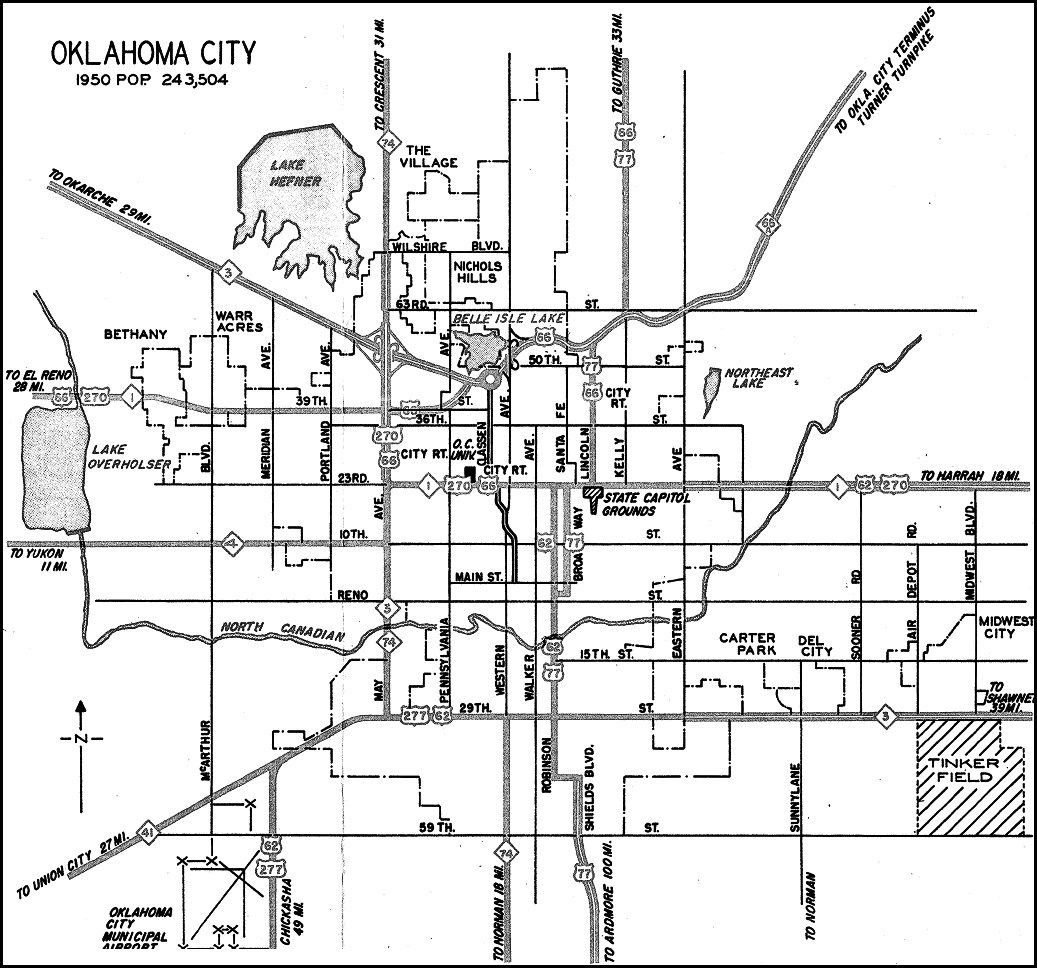
Before the hubbub surrounding the relocation of Oklahoma City's I-40 Crosstown was hubbub of a much different type — whether, and, if so, where and when the city's downtown would get an east-west crosstown expressway in the first place. At right, the Oklahoma City map from Oklahoma Department of Transportation's 1955 highway map shows the Oklahoma City inset. You will find no existing or proposed routes of any express roadway through downtown. Click on the image for a larger view.
A crop from the above zooms in on the central area ...
Marked up, the map roughly shows changes we know today ...
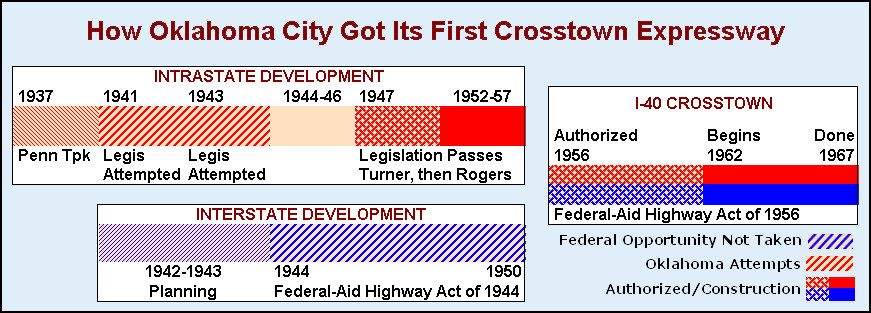
Although the primary focus of this article is the original I-40 Crosstown, a complete telling of that story requires an understanding of how limited access superhighways came to exist at intrastate and interstate levels in the country and how that all came to be meshed together prior to the original I-40 crosstown being built. The story covers 26 years, between and 1941 through 1967, and its telling meanders around a good bit in the telling. In the end, the pieces all converge with the establishment and construction of the original I-40 elevated crosstown flanking the south side of downtown Oklahoma City.
Here's the story in a nutshell ... click the chart for a larger view ...
BIRTH OF LIMITED ACCESS HIGHWAYS. A pair of significant events occurred in the late 1930s - early 1940s at both state and federal levels which proved to be harbingers of things to come. In Pennsylvania, the pioneer 160 mile Pennsylvania Turnpike was authorized by 1937 state legislation; at the federal level, the Federal-Aid Highway Act of 1944 was adopted by Congress in December of that year.
The Pennsylvania Turnpike. Construction began in 1938 and the superhighway formally opened October 1, 1940. Skeptics claimed it was a boondoggle but actual usage proved them wrong. Planner's original estimates were that 1.3 million vehicles would use the turnpike annually, but the early number proved to be 2.4 million. According to the Pennsylvania Turnpike's website, the project's inspiration was "Germany's 100-mph autobahns, built to serve the needs of the users rather than controlled by the terrain." Among many important features which could be mentioned here, only two will be in this passing summary: (1) the superhighway did not enter into cities along the route — instead, it closely by-passed them; and (2) the turnpike was a toll road to be paid for by the highway's users. Neither feature was lost in legislation proposed for Oklahoma in the 1940s.
In 1941, President Franklin D. Roosevelt appointed a National Interregional Highway Committee, headed by Commissioner of Public Roads Thomas H. MacDonald, to evaluate the need for a national expressway system. The committee's January 1944 report, Interregional Highways, supported a system of 33,900 miles, plus an additional 5,000 miles of auxiliary urban routes. In the Federal-Aid Highway Act of 1944, the Congress acted on these recommendations. The act called for designation of a National System of Interstate Highways, to include up to 40,000 miles "... so located, as to connect by routes, direct as practical, the principal metropolitan areas, cities, and industrial centers, to serve the National Defense, and to connect at suitable points, routes of continental importance in the Dominion of Canada and the Republic of Mexico."
In this federal program, the federal government would match, 50/50, money committed by a state and/or city to participate in the program except that cities were required to pay for 1/3 of the cost to acquire needed right-of-ways.
OKLAHOMA REACTION TO THESE DEVELOPMENTS. At the intrastate (Oklahoma only) level, after 6 years of trying, the Oklahoma Legislature approved the creation of the Oklahoma Turnpike Authority in 1947 and its initial project, the toll road between Oklahoma City and Tulsa. At the interstate level, the participation of Oklahoma City is more oblique, as you will see.
Intrastate Turnpikes. Not directly related to the federal legislation and with the Pennsylvania Turnpike serving as the example, legislative sessions in 1941, 1943 and 1947 attempted to authorize a toll-road between Oklahoma City and Tulsa and establish an entity, eventually named the Oklahoma Turnpike Authority, to accomplish that purpose. These attempts spanned the administrations of three governors. Governor Leon C. Phillips did not support the 1941 proposal and was reported to have said, dismissively, "It is not on my program." By a vote of 21-18, the bill was killed in the Senate — the Senate author of that bill, Dr. Louis H. Ritzhaupt, Guthrie, has not been given appropriate credit for his laying the groundwork for this highway which would eventually be authorized in 1947. By 1943, Robert S. Kerr was Governor and, in his term, a similar proposal was before the Legislature, this one sponsored by the American Legion. According to Milt Phillips, the Legion's adjutant general, the bill was one of a series of projects designed to provide jobs for returning soldiers. Whether Governor Kerr took a stand on this bill I've not determined with certainty but it does not appear that he did. Regardless, it did not pass.
With the election of Roy J. Turner, Oklahoma's Governor between 1947-1951, a reinvented toll road proposal gained the the chief executive's qualified and, early on, non-public support. Even though the road would later bear his name, he was certainly not the originator of the proposal and only took a leadership roll toward the end of the legislative session. The proposal's sponsors were the Oklahoma City and Tulsa Chambers of Commerce with leadership coming from members of the House and Senate. After proponents conferred with the governor before the bill was introduced in the Senate, he gave his qualified but quiet blessing. In its original form, the bill authorized the creation of the Oklahoma Turnpike Authority which would have the authority to construct the Oklahoma City - Tulsa toll road as well as other such roads in the future. The route between Oklahoma City and Tulsa was said to take an "airline" straight-line path (unlike the Pennsylvania Turnpike which included many sweeping curves). A drawing in the February 22, 1947, Daily Oklahoman gave a glimpse at what was being proposed:
Strong opposition came from business interests and legislators from cities along U.S. Highway 66 between the metropolitan cities, most notably Bristow, Sapulpa, Chandler, and Stroud. At a March 5 meeting of the newly formed Oklahoma branch of the U.S. 66 association, representatives from those cities were adamantly opposed but others not located between the metropolises such as Vinita and Miami were not. At the meeting, Oklahoma City's chamber was represented by E.K. Gaylord, C.R. Anthony, J.S. Hargett, and Jack Hull. Tulsa's chamber had its leaders present, as well.
Debate in the Senate was fierce. At the March 25 meeting of the roads and highways committee, opponents characterized the proposal as "unholy" and "ungodly" and one which burst upon cities like Sapulpa "like an atomoic bomb." Fresh in memory were the actions of Germany when B.D. Erwin from Chandler said, "If Poland had a right to object to the pincer movement, Lincoln county has the right to raise the same objection to this." Opposition was also expressed by Oklahoma Citian Sam Shelburne, principal owner of the Park-O-Tell motel immediately north of the State Capitol on Lincoln Boulevard. He said,
When dealing with this bunch of promoters you are not dealing with Harold Shimleys or Kellys, but you are dealing with the slickest promoters in the United States. They employed one fine law firm to represent them. Then they sold E.K. Gaylord clean up to the gills.
The reference to Shimley and Kelly was sort of a back-handed compliment — Harold Shimley is described at page 147 of the book Oklahoma Justice as being a small-time but ambitious local gambler, accumulating 25 arrests from Houston to Chicago. The "Kelly" being referenced was probably Patrick J. Kelly, a Chicago bootlegger who is also described in the same page of the book.
The efforts of the road's opponents were not unrewarded — the Senate bill was amended to require that the road pass within one-half mile of the city limits of Sapulpa, Stroud, Bristow, and Chandler. I'm uncertain whether done in the Senate or House version, but only the Oklahoma City-Tulsa toll road was authorized, and no more. Even as amended, the vote carried the Senate by a single vote above majority even though more than a majority of senators were joint authors when the bill was first introduced.
After Senate approval, Governor Turner went public in his support of the proposal but conditioned upon the road's proximity to cities along the route, full maintenance of U.S. 66, and that no state funds would be used in the toll road's construction, among other things. By the time the House considered the Senate bill, amendments were made in committee and the bill was debated on the House floor. Over opponents objections that the bill would be an opening wedge for an entire system of toll roads in Oklahoma, the House bill carried easily by a vote of 77-32. Senate leadership accepted House changes without resorting to consideration by a conference committee and the House bill passed by a vote of 27-12, 5 votes more than a majority. On May 1, Governor Turner signed the bill which became effective 90 days later in August 1947. A threatened statewide referendum which would undo the legislation never came to pass, and the Turner Turnpike, the first such project west of the Mississippi River, opened in 1952.
The First Interstate System. This section explores some of what Oklahoma City did and did not do in the 1940s when offered the opportunity to participate in the Federal-Aid Highway Act of 1944. A synopsis of the 1943-1950 period is this:
Beginning at least by 1943, the federal government began anticipating major new highway construction upon the successful close of World War II. States were offered opportunities for input into that process as to what was needed, priorities, and estimated costs, and Oklahoma participated in that process. Among other things, the Act broadly authorized a new 40,000 mile superhighway (then a term frequently used to describe) interstate highway system. In those instances that a new highway would be located within a municipality, cities wishing to participate were required to submit proposals to their respective state agencies in the formulation of a statewide plan which, in turn, would be conveyed to the federal Public Roads Administration (PRA) for further evaluation, study, rejection, modification and/or approval. Cities were required to bear 1/3 of the cost of obtaining right-of-ways but other costs would be divided 50/50 between state and federal authorities, assuming that funding was available. Cities were also required to submit specific, even if tentative, models for their proposals. Whether because of a strong and persistent north/south division in the City Council, or lack of effective leadership, or disagreement about what the city's share of right-of-way expense should be, or, for roads which would connect and fall within more than one city (e.g., the proposed new north/south connection between Oklahoma City and Norman), the absence of agreement between such cities, or just because the city did not have a sense of urgency in the matter and just sort of sat on its hands in failing to present proposals which matched the requirements, the federal opportunity which presented itself was not matched by action needed to be performed by the city. While a generous amount of professional and political study, discussion, debate, etc., was generated between 1944 and 1950, none of it produced the action needed for implementation of any new superhighways to be located within the city while that particular federal plan remained in place. As far as superhighways were concerned, all that Oklahoma City got in the process was a lesson about the effects of its own inaction, regardless of the reason.
That's the synopsis. What follows is the rest of the story.
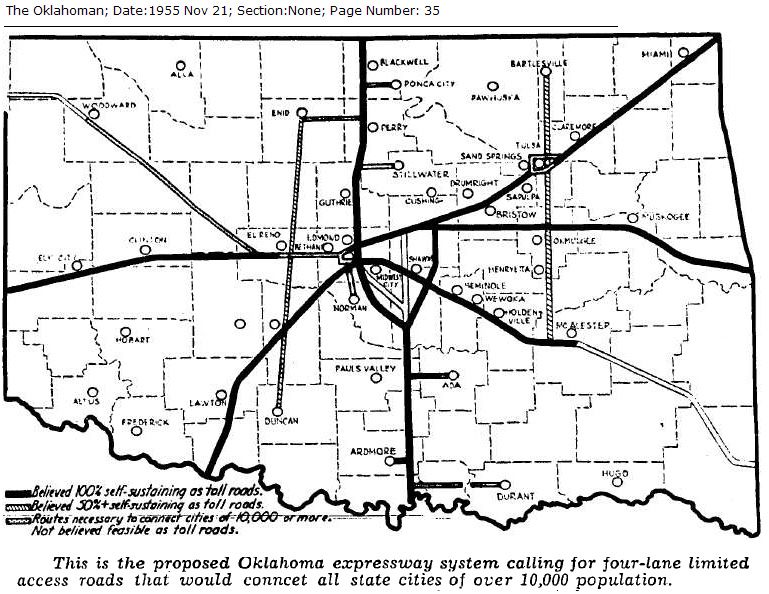
Post-war Needs. I'll begin this period by noting that H.E. Bailey, former Oklahoma City Manager, assumed the post of chief engineer of the state highway department in February 1944. He would later become and was head of that department and/or the Oklahoma Turnpike Authority during most of the time relevant to this discussion. Upon his appointment, he said that he did not have any definite plans about the post-war Oklahoma highway construction — that modest notion would radically change by the time that he became director of the Oklahoma Turnpike Authority when, in November 1955, he made his sweeping proposal for a 1,227 mile system of Oklahoma toll roads, shown above. But, I'm getting ahead of myself.
What were Oklahoma's post-war needs? In March 1944, Bailey and Ben Childers, then chairman of the highway commission, estimated to the U.S. House Committee on Roads and the Senate Committee on Post Offices and post Roads that Oklahoma's post-war needs were in the magnitude of $210 million. That figure, though, was qualified. According to a March 9, 1944, Oklahoman article, that number was based upon projects "designated to the present standard. If the proposed standards of the inter-regional system are adopted, the total will be increased by approximately $20,000,000." The article noted that, "It is explained that the $210,000,000 doesn't include a direct airline route between Oklahoma City and Tulsa, but if the proposed standards are adopted the plan would call for the airline." As previously discussed, "airline" was a term used for point-to-point straight-line highways, i.e., as the crow flies. The article concludes, "Commission members said they hope to see a road construction program of at least $100,000,000 start immediately after the war." No superhighway which cut into Oklahoma City's limits was mentioned in the report. In December 1944, the federal act passed Congress and a December 17, 1944, Oklahoman article reported that,"A three-year post-war highway construction program calling for expenditures of $54,013,000 in Oklahoma will be provided under the bill past in its final form last week and made ready for the signature of President Roosevelt." The article notes Bailey as saying that the allocation for cities was far below what had been anticipated and that it would not permit "the state to carry out the planned construction in routing highways through cities." The article added,
A provision is made in the bill for national system of interstate highways not exceeding 40,000 miles in total. The route shall be designated to connect the principal metropolitan areas, cities and industrial centers to serve the national defense and connect at suitable border points with routes of continental importance in the Dominion of Canada and the republic of Mexico. No appropriation is provided, and it was interpreted as a policy statement looking to the inter-regional highway system.
Status In 1945. In formulating a plan which involved the same road entering two cities, cooperation was called for. A September 29, 1945, Oklahoman article reported that, "Oklahoma City and Norman are taking a chance on losing out on the four-lane highway in the 1946 construction program by failing to designate the control points." "H.E. Bailey, state highway engineer, said neither the officials of Norman nor Oklahoma City have given the highway department a report on the requests for preference on the point of entrance of the proposed new highway." The article notes that the cities had not given definition as to the "control point" that the proposed highway would enter the respective cities, and, quoting Bailey, said, "We have to know the locations before we can prepare the plans for the road."
Otherwise, 1945 failed to produce results. By October, the city had "shelved plans for links with inter-regional roads." In an October 5, 1945, Oklahoman article, it was reported that,
Plans to link Oklahoma City into the proposed national inter-regional highway system were shelved Thursday at a special city council session. The action instituted a successful block wedged by a group of Capitol Hill business men and merchants augmented by scattered northeast interest groups. * * * Kick-off of the meeting was a speech by Mayor Hefner, urging expedient action without entering into personalities or regard to selfish interests.
Sam Shelburne, owner of the Park-O-Tell immediately north of the State Capitol on Lincoln Boulevard (and recall that Shelburne also opposed the 1947 Oklahoma City - Tulsa toll road legislation) had emerged as a leader of the opposition. He opposed the concept of a superhighway entering the city at all and instead maintained that such highways should stop at certain control points along the city limits and, from those points, traffic should be allowed to sift through the city as it then did. According to the article, he also "asserted that the city's primary interest was that portion of the super road which bisected the city and that the city was extending further than its official scope in suggesting roads lying outside corporate limits." As for a new east/west highway passing by/through/near downtown, a "288-foot road through the commercial area," the article reports that Shelburne said that it would be a definite barrier between the north and south sides of the city." The article reads, "[Shelburne] Charging that the action committee's recommendations were 'greased,' he maintained that there had been 'no public hearing or open meetings and the public hasn't had an opportunity to express itself.'" The article closes by noting, "Allen Street, ward 1, moved that the state engineer be advised that the city was willing to co-operate with the state and government but that as yet no plan could be agreed upon. It carried unanimously."
Three conferences were held few days later in an attempt to defuse acrimony and find a consensus. Meeting with south side business interests, Bartholomew acted as consultant and mediator and, judging by an October 9 Oklahoman article, progress had occurred. The article reported that, "[A] majority of a group of southside business men favored the action committee's recommendations on the main express roadway, supplemented by an urban feeder artery, which would run through Capitol Hill's main street," and the article reported that Bartholomew indicated that such a feeder road was a possibility under the federal scheme. He also noted that the limited access highway could not be constructed at grade level but must be either up or down from it and said, according to the article, "the federal bureau of public roads had established a policy of having the major routes project through the center of the cities," and that surveys showed that 72% of traffic stops in the downtown area. The article concluded,
If the two groups get together on a plan Thursday night, it will no doubt pass the council the following Tuesday and be presented to the state highway commission immediately.
As you will see in the following section, that optimism proved to be unfounded.
Experts, Experts, Who Needs Any Experts? Throughout this process, Oklahoma City engaged the services of respected experts to assist and advise regarding its street and highway needs and possibilities, primarily Harland Bartholomew and George W. Barton. Barton, professor of traffic engineering at Northwestern University, advised the city for at least 12 years, into the 1950s, however his duties and influence in the 1940s were more associated with local streets and roads. Bartholomew & Associates, a prestigious St. Louis city planning and landscape architecture group, more prominently assisted the city in responding to the 1940s superhighway planning. After the Bartholomew Plan was adopted by the city in 1946, Bartholomew's work was done but the state highway department and federal public roads administration engaged Guy B. Treat, a local engineer, to serve as a consultant to assist in the implementation of the Oklahoma City urban roads activity. In several of the articles linked below, you will observe references to the Bartholomew, Barton, and/or Treat reports/proposals, and this note gives a brief introduction about those experts and their opinions. At this point in time, the expert was Bartholomew. Despite his best efforts in presumably giving objective opinions and advice which matched federal requirements, his views initially proved to be a lesser force and influence than were City Council northside/southside issues and/or the cost associated with acquiring right-of-way for a superhighway's presence within the city's boundaries, or whether it would even be desirable to have an east/west superhighway pass near or through downtown. The frustration was vividly illustrated by a December 1, 1945, Oklahoman article in which county commissioner Mike Donnelly expressed his own frustrations. A snippet from the article is shown above right. After his speech, the article concludes,
After some discussion, the commissions decided to put the Bartholomew matter first on its agenda and, following further study of the situation, to enlist the aid of the Oklahoma City Chamber of Commerce and public-spirited citizens in reviving interest in the project. The inter-regional highways are the new cross-continent super-roads. Under present U.S. road plans, a north-south and east-west express highways would intersect at Oklahoma City.
Bartholomew Plan Overview. The debate's real focus was whether the city would have a superhighway which would pierce and run through the city's limits which is precisely what the Bartholomew plan did, as seen at the right, and the plan is not at all unlike the system we know today. It is recalled that until the present day I-40 Crosstown was constructed no east/west highway passed through or near the downtown area. From downtown, to get to Yukon, State Highway 4 ran west along N.W. 10th Street; for El Reno, N.W. 39th Street, U.S. 66 (among other numbers) was the route; eastbound traffic to Shawnee would use S.E. 29th Street, State Highway 3, or N.E. 23rd Street, U.S. 270. Moreover, no express north/south routes were available. While U.S. highway traffic did flow north and south through downtown, it was via slow moving local streets.
An Opposition Plan. Seen at right, the differences between the Bartholomew Plan and the opponents' so-called compromise plan are night and day. This plan was hurriedly conceived and put together by opponents during an April 26 city council meeting. Grand Boulevard would become a paved but not a super highway, a loop, from which other new federal highways would connect at city limits and proceed outward in four directions, and none of those roads would even come near downtown. It was argued that an east-west superhighway would do nothing more than effectively re-create barriers, the Rock Island and Frisco rail tracks, it had taken the city so long and at great expense to remove only 15-16 years earlier, and that such a superhighway would further divide north and south Oklahoma City.
Decision. Finally, in late April 1946, it appeared that the City Council was about to make its decision. At least, an April 24 Oklahoman article so predicted:
City council members set the stage Tuesday for another major street plan row at 9 a.m. Friday when they expect to decide whether they will submit the Harland Bartholomew inter-regional highway plan to the state highway department as a basis for applying for federal aid construction money. The council has been divided on the question since the plan was first drafted. Several minor changes have been made but at least two members, G.A. Stark, ward four, and Victor Sellers, ward three, indicated they will fight submission of the plan in its present form.
Hal Whitten, chairman of the regional planning commission, told council members that the submission of a plan did not commit the city to that plan. What was important, he said, was that some plan be submitted in the first place. He said,
"The federal government will not initiate these superhighways with the city. Oklahoma City must file a suggested plan, which is what this is. The federal engineers then will review it, and make whatever changes they see fit. Before it can be adopted as a final plan, it must come back to the council several times. After all changes are made, the city still has the absolute power to block it simply by refusing to appropriate the one-third of right of way cost as its share of participation."
But, when that four-hour eventful meeting occurred, what did the city decide to do? Despite the advice of C. Edgar VanCleef, planning commission member, that the superhighway,
"[T]o meet federal specifications, must go near the heart of the city, where traffic can feather out to the packing houses, the hotel area, Capitol Hill and the residential sections,"
the council ducked the dispute by sending both plans to the state highway department, effectively saying, "Take your pick!" The opposition was ecstatic. Read all about it in the April 27 Daily Oklahoman.
The council would not get off the hook that easily. The highway department effectively rejected the city's decision by notifying the city that no action would be taken until a single route, acceptable to the city, was submitted, and a brief May 21 Oklahoman article reported that the matter would be back on council's docket the next day. On May 22, and without fanfare in the press, the city council unanimously approved the plan recommended by its planning commission, the slightly modified Bartholomew plan.
Bartholomew Plan Detail. Finally, on May 26, the Oklahoman could report that the city council had taken a position, even if it may have emerged through the back door and somewhat stealthily. Here's the detail — click on the image for a better view.
The dark red inter-regional superhighways were previously seen above, but the overall plan shown above includes a "priority list" of 15 additional items recommended for early action. Click here to read the full list. As for details about the superhighway itself, the article gives this description:
Other than the Model-T Ford plant downtown (1916), did you know that Oklahoma City was also the venue for producing other automobiles and trucks during World War I and after? We were, both during and after World War I. While the Great War lasted, it appeared possible that airplane construction would even be included at the plant, as well.
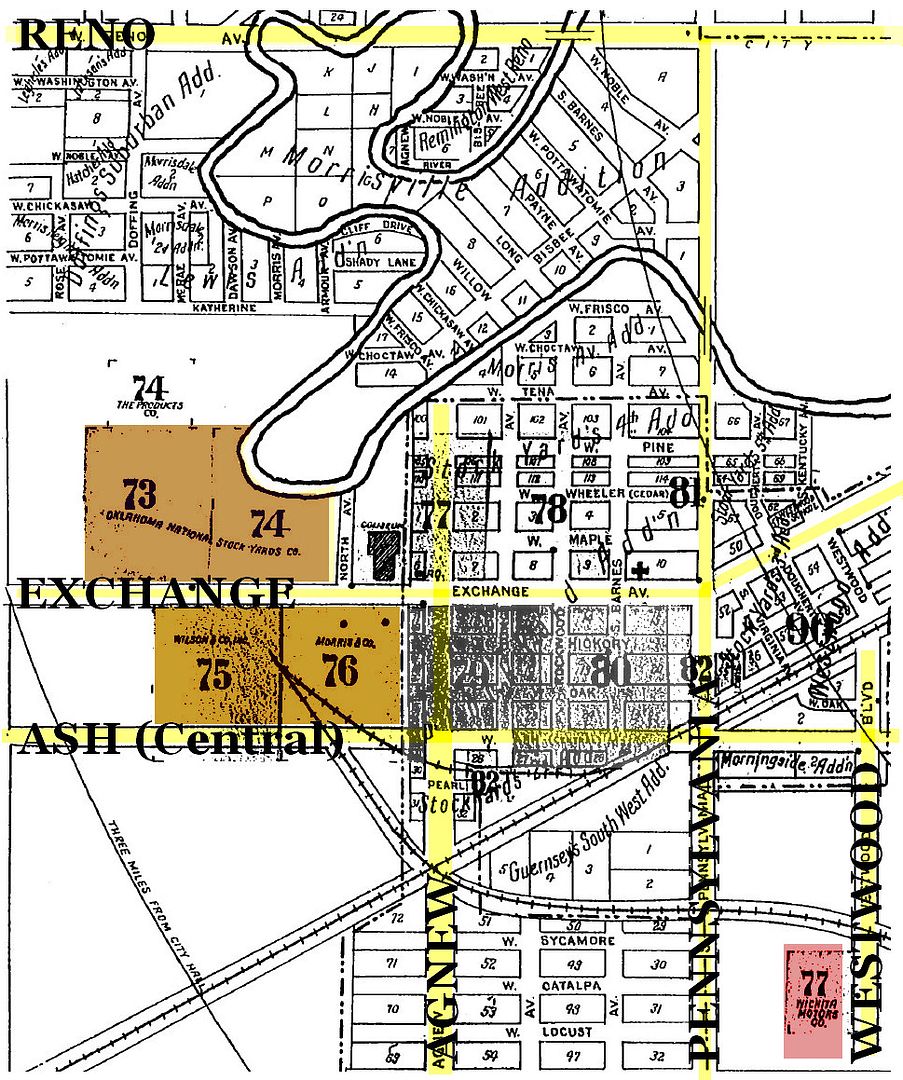
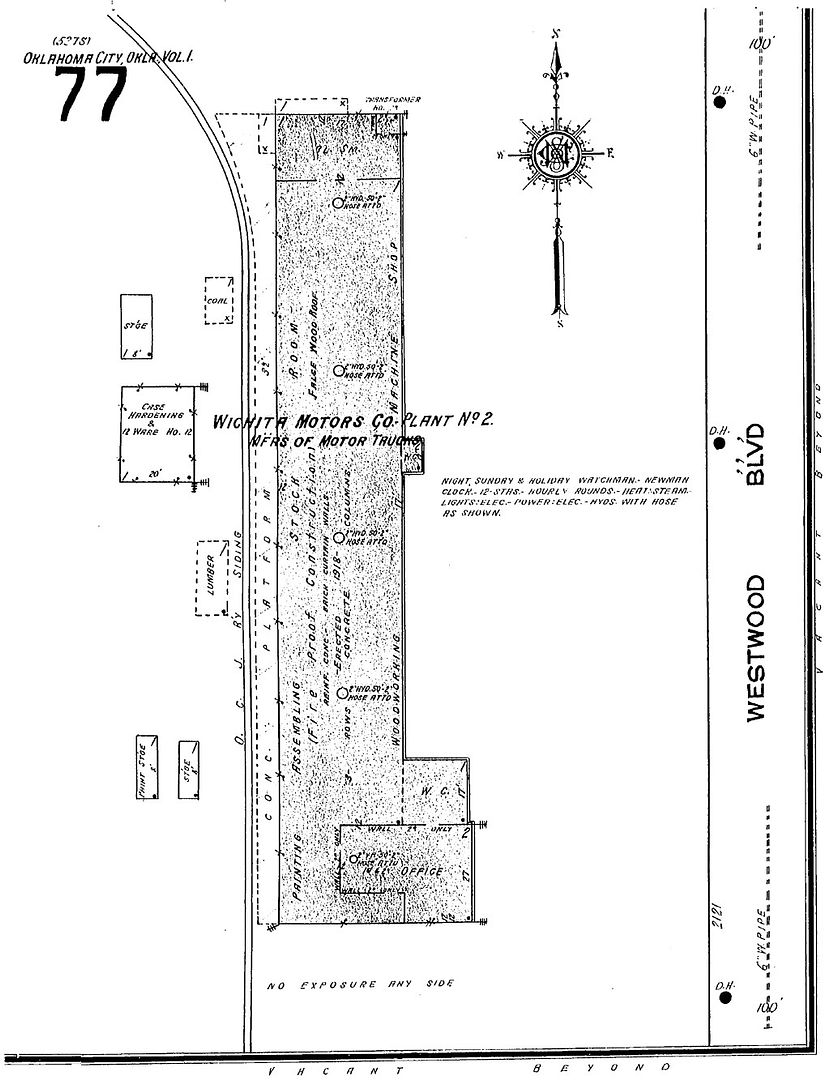
The location for this obscure part of Oklahoma City's history was a space located a bit south and east of Packingtown, south of W. 19th, north of W. 22nd, and immediately east of Westwood — if not originally, the property address came to be identified as 2121 Westwood Boulevard. Generally, that area is shown by the 1922 Sanborn map below, which shows the location of the Wichita Motors Co. (page 77) in the southwest part of Oklahoma City ... for reference, I've made the Wilson & Morris meatpacking plants and the Oklahoma City National Stockyards brown and the above building's location light red ...
CREDIT AND THANKS. Before getting to the story itself, it is right to give appreciation and credit to Steve Hedlund of Everett, Washington, because if it wasn't for him I'd probably never have had a clue about this early-day Oklahoma City business. In an October 23, 2007, email, Steve inquired about the Sanborn Maps which are on-line through the Oklahoma City Metropolitan Library System — freely available for card-carrying members of the MLS. Steve was particularly interested in Oklahoma City rail and maps associated with them, such as the Oklahoma Belt Railroad and the Oklahoma City Junction Railway in the stockyards area. I did what I could to be helpful but also wondered why he cared about such things so far away from his home in Washington state. Part of his response was (but I am omitting some personal detail which he might not want me to share),
As far as why I am interested in Oklahoma City even though I live in Everett, WA? Well my roots are in New Mexico and I am a graduate from a high school in Albuquerque. But I lived a lot overseas with my parents because my Dad worked for the Federal Government, so I never stayed in one place for very long. Dennis [Steve's brother] and I moved to ABQ for high school right after my parents divorced. Not long after high school, I joined the Navy and was in the submarine service for 8 years. After leaving the Navy, I went to Univ of WA where I got my BS in Computer Science (Systems Analysis). * * * But mainly I am interested because of my hobby which is a love for railroads which I have maintained since I was 9 years old. I'm 41 years old so I really don't want to think how long that has been since it would make me feel really old. This is a hobby that my brother and I have shared the entire time.
Anyway, both of us are building model railroad layouts based on railroads in Oklahoma City in the 1920s. He is modeling the MKT and I am not sure what I am going to build right now. Which is why I am interested in getting access to Sanborn (or any other kind of maps) from Packingtown up to Bricktown. I do know that sounds pretty geeky but it has been a lot of fun for Dennis and I to find nuggets of information that relate to what we want to accomplish. We love doing research that might fill in missing pieces of information that might help us recreate what really happened that long ago. I guess you could call it industrial archaeology.
* * * So right now Dennis and I are trying to get as many maps of the area as we can, discover what businesses were there and are still there, and do in-depth research on what they made, what they sold, and to get an idea of what their corporate history is. I know it is pretty geeky stuff especially when my brother's 18 year daughter just rolls her eyes when Dennis and I get together to talk about J I Case Tractors and go "cool".
Geeky? Maybe so, but what am I?
One thing led to another and he noticed in one of the Sanborn maps I'd sent to him an item which is the kernel for this article — the notation in the 1922 Sanborn map, above, which reads, "Wichita Motors Co." The "77" reference is to Sanborn 1922 maps, page 77, and I'll get to that shortly.
But, for now, thanks, Steve, for providing the spark that led to the research results which are set out below.
MIDLAND MOTOR AND TRUCK COMPANY. Note that the Sanborn map is dated 1922. But, Wichita Motors wasn't the first but was the second occupant of that space. Midland Motor and Truck Company was there first.
In a series of Oklahoman advertisements and articles beginning September 23, 1917, a new company had formed and it aggressively solicited capital through sale of stock in the new company. The two products intended to be produced were the "Oklahoma Six," a 5-passenger cobalt blue and maroon automobile, and the "Ozark Truck."
Whether I've done justice to the cobalt-blue & burgundy color scheme of the "Oklahoma Six," I don't know, but crops from later Oklahoman stock-solicitation ads show the two vehicles to look like the following:
A November 25, 1917, Oklahoman article reads more like an advertisement than an objective article, but the lengthy story does give some background about the new company. Excerpts read as follows:
BIG AUTO INDUSTRY NOW ASSURED ASSERTS THOMPSON Midland Motor and Truck Company Receives Substantial Backing of State's Big Men — Financing Complete by January 1st, Says Vice President
If one has any remaining doubts, that within a short time, a splendid new Oklahoma City factory will be turning out real, honest-to-goodness auto trucks and pleasure cars of the finest and most modern type, he has but to talk with Floyd Thompson, better known as "Ozark Trails Thompson," vice president of the Midland Motor Car and Truck Company. * * * The company will manufacture both pleasure cars and commercial trucks, both based upon standard specifications. The truck will be a two-ton size and according to Mr. Thompson will embody exactly the same specifications as many of those now being purchased in great quantities by the United States government. The pleasure car will be of a handsome design with six-cylinder continental motor, Timkin axles and other specifications which have been proved unquestionably standard, as used and proved by at least six of the most favored cars on the market. * * * * * * "While we shall bend every effort to get our pleasure cars on the market at the earliest possible time, we are devoting our main effort upon the Ozark Truck. The initial capacity of our plant will provide for three pleasure cars and seven trucks."
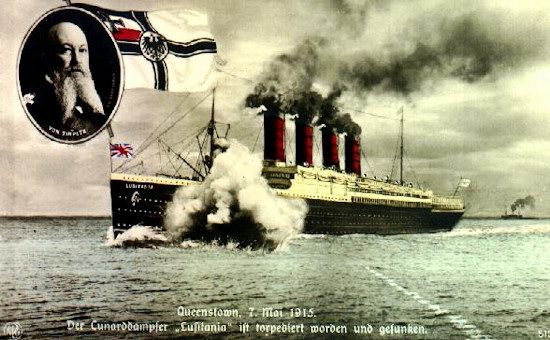
Why the emphasis on trucks? The country was at war. The war needed trucks. Torpedoed by a German U-boat on May 7, 1915, 1,198 of the 1,959 people aboard the Lusitania, a British passenger ship, were killed. The sinking turned public opinion in many countries against Germany and was instrumental in bringing the United States into World War I, which it did on December 7, 1917.
Heavy-duty stock solicitation ads continued in the Oklahoman into 1918. A February 3, 1918, Oklahoman article was even accompanied by a glowing recommendation from the Oklahoma City Chamber of Commerce, shown below.
The main article reported,
* * * The war department and our allies are demanding more trucks for 1918 than the total number produced last year by all manufacturers combined. This, in addition to our rapidly-growing domestic market, imposes a tremendous task and a tremendous opportunity for manufacturers of American motor trucks.
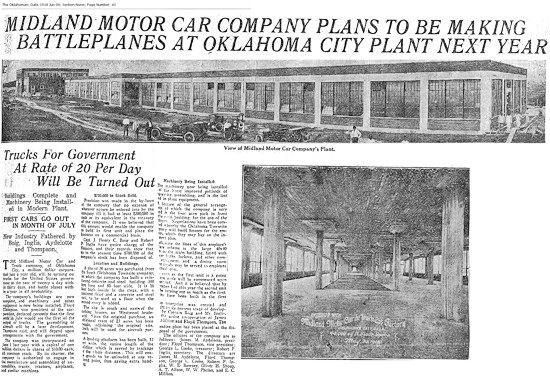
The plant got built, as shown by this June 9, 1918, article. Click on the link or the image below for a readable view.
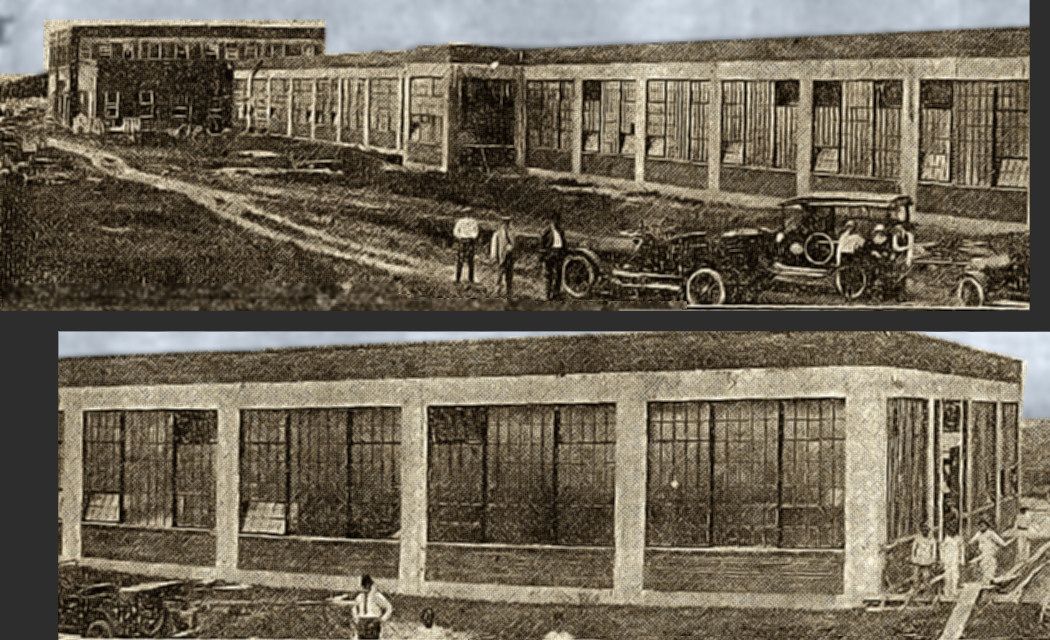
A colorized view of the plant from the above article, is shown below. The second shows a split view of the building for a better look at the long building. Click on either image for larger views.
In a crop of a September 22, 1918, Oklahoman advertisement, the Oklahoma Belt Line rail tracks (on the north end of the factory, at the bottom of this picture) and Westwood Boulevard (at the left) are visible.
The War Order. The above speculation for "battleplanes" never happened. The expected truck order did but the order was canceled in less than a month. An October 5, 1918, article reported that the US government had contracted with Midland Motors for 500 trucks, said by the article to be "one of the biggest government contracts that has been awarded in the southwest since the start of the war," and an October 15, 1918, article reported that 400 men would be employed to complete that assignment.
That suddenly changed when an armistice was declared, as shown by this November 11 article. On the same day, the government contract was canceled. However, the article also reported that a backup plan was being considered. This November 21 article said, in part:
Motorization of Oklahoma transportation was given impetus yesterday with the announcement that a million dollar war contract for trucks, held by the Midland Motor Company here, had been cancelled and that officials of road associations are planning to take over the entire output of the company for motor transport lines. "Oklahoma City is the hub of the state," R.A. Singletary, secretary of the Oklahoma City good roads association said last night. "Excellent trails extend from the city to every part of the state. All that they need to make them practical arteries for freight movement by trucks is efficient dragging and surfacing."
Apparently that plan did not develop -- an April 15, 1919, article said that the plant had closed a week earlier. Although the article indicated that the plant might reopen, if it did it was apparently only to complete already placed orders. As late as July 18, 1919, some hope remained that the plant would reopen, but charges of embezzlement against two officers probably chilled that possibility. The charges were ultimately dismissed and were followed by a suit for damages against those who had made the claim. Regardless of the truth of falsity of assertions made, for all intents and purposes, Midland Motor and Truck Company was done.
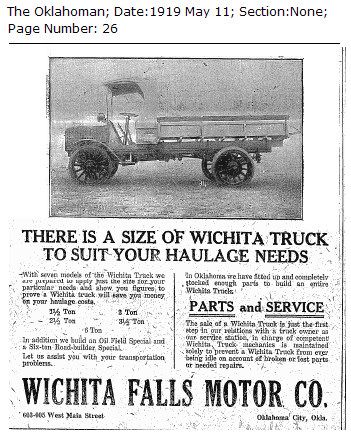
WICHITA FALLS MOTOR COMPANY. This company was headquartered in its namesake city south of Lawton (and the Red River), near the Texas-Oklahoma border. With its beginnings in 1911, it was one of the first truck manufacturers in the United States, certainly the first in Texas. Lapping in time the Midland Motors operations in this city, Wichita opened a branch sales and service location here in March 1919 with its location at 603-605 W. Main.
Wichita Falls only produced trucks. Unlike Midland Motors, Wichita Falls Motors, established in 1911, was by 1919 already producing some of the finest trucks available in the region if not in the United States and/or the world. At left, a crop from a September 21, 1919, Oklahoman article shows some of the 68 countries that Wichita Falls Motors exported to. The full article is a biography describing Italian immigrant A.F. Savelli who was in charge of the company's exports. The article says that the company's truck exports were more than twice that of any other manufacturer, wherever located. Click the image to read the full article.
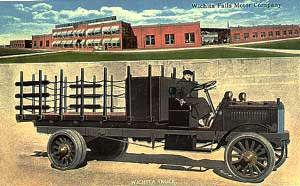
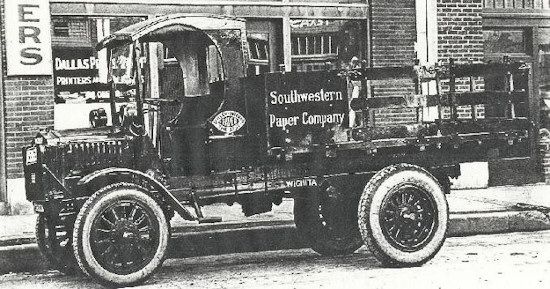
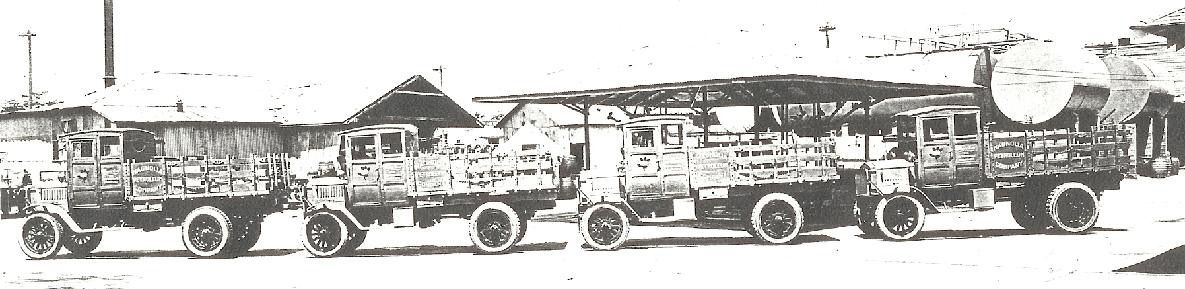
You will not have difficulty Googling for Wichita (or Wichita Falls) Trucks on the internet and seeing what the company produced, but examples of Wichita Trucks are shown below.
These photos are from the Museum of North Texas History and Texas Transportation Museum. See those sites for more information about the Wichita Falls Motor Company. I didn't notice in them, however, that Oklahoma City's manufacturing/assembly plant was mentioned.
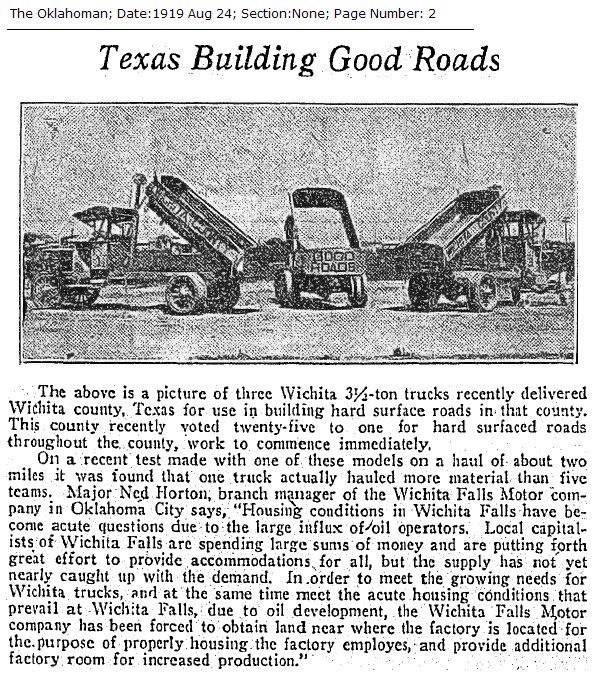
The pair of images below are from Oklahoman ads. Click on the images to see the full advertisements.
Truck Manufacture: 1919-1922. Although jumping the time-gun a bit, this is as good a place as any to show the detail of page 77 in the 1922 Sanborn map index which Steve Hedlund had noticed, discussed above. The page 77 detail is shown below (and will be compared shortly in the "Aftermath" section of this article). Click the image for a larger view.
Following Midland Motor Company's closure and its failed attempts to reopen, Wichita Falls Motor Company, which earlier in 1919 established a branch sales and service office here, may well have seen Midland's failure as an opportunity for factory expansion. According to statements contained in some of the Oklahoman articles, the oil boom then going on in north Texas, while good, had also created a problem for the company's expansion there — suitable living accommodations for Wichita workers were apparently hard to come by and the company wanted to expand. That problem was described as at least one reason for Wichita Motor Company (it was renamed in the spring) for the company's decision to open a new truck factory in Oklahoma City. Another unnamed factor was doubtless the fact that Midland Motors had failed and its facility, barely a year old, was available and was probably saying, "take me, take me!"
On September 8. 1919, the story broke in the Oklahoman that the facility would, indeed, be taken, and that within 30 days trucks would begin to be produced by Wichita at the Midland factory. The article reported that a two-year lease of the property had been agreed to which included an option to purchase the property. The article reported that, initially, the 1 ½ and 2 ½ ton trucks and the Oil Field Special would be manufactured at the Oklahoma City plant. The article said,
The local plant will employ approximately 300 mechanics. The domestic and foreign departments which employ about 100 men and women will be moved from Wichita [Falls] to Oklahoma City. One of the reasons for splitting the plant instead of enlarging the Wichita Falls factory was housing conditions here. While 600 men can be utilized with profit at the Wichita Falls plant, conditions at that place, due to oil booms, make it difficult for the company to keep 200 men employed. "The plant in Oklahoma City will not be a branch plant, and until I will see how our men secure accommodations here it will be impossible to state how many we will eventually work in Oklahoma City," [J.G.] Culbertson [president of the company] said Sunday. "The plant here is of modern construction, capable of turning out models we will make here. We hope to be able to reach an output of 3000 trucks during the first twelve months. We will reach this production if we can find accommodations for our employs here."
Culbertson's earnestness about the Oklahoma City plan was evidenced by his plan to purchase an airplane so that he could more easily divide his time between the Wichita Falls and Oklahoma City plants during each week. The article also emphasized the export component of the business, noting that company trucks were in use in 63 countries around the world. See this September 21 article for a colorful biography of Bert B. Fornaciari who would become the plant's general manager and head of the company's export division.
An October 30, 1919, article reported that Wichita Motors took possession of the plan on October 15 and began doing what was needed for Wichita operations to commence. Seventy-five men were initially employed with a goal of "several hundred." The Oklahoma City plant apparently had a greater production capacity than its Wichita Falls counterpart, the article reporting,
Fornaciari said last night he had enough men engaged at present for its needs. The maximum capacity of the factory here is not more than twelve trucks a day. If conditions favor, considerable expansion of the factory probably will be made within a year. The plant at Wichita Falls has an output of not more than seven a day."
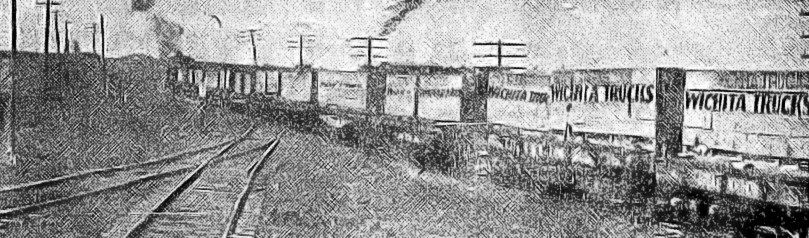
A June 6, 1920, article shows a trainload of Wichita trucks having Bombay, India, as their ultimate destination. The article's photo is shown below.
Various ads for the company continued to appear in the Oklahoman such as this one on July 18, 1920 but such ads related to the sales and service office and not the manufacturing plant.
Nothing appeared in the papers to indicate that all was not well with the company's Oklahoma city operations, but that fact must have been attributed to the Oklahoman not reporting fully since, on August 30, 1922, the brief Oklahoman article shown here shows that the company's 3-year manufacturing operation in Oklahoma City had come to an end. The retail and service end of the business continued at least until 1928, as evidenced by this March 28, 1928, ad.
The company itself came to its end in 1932 during the Great Depression. A bankruptcy Notice of Sale appeared in the September 14, 1932, Oklahoman. Few if any living in Oklahoma City today probably have any first-hand recollection of the brief period in Oklahoma City's history that it was a manufacturer of trucks, 1917-1922, although brief snippets did appear in a pair of 1984 columns of Robert E. Lee. In the first, the November 21 column reads, "Jess [McCune] asked if we (and you) knew that a factory at 2121 Westwood made trucks for the Army during World War I, although he's forgotten the brand. The old building still stands." His December 5 column updated by saying,
More on car factories in Oklahoma. Earlier we mentioned a now-extinct, brand unknown truck factory at 2121 Westwood. Craig Crowell called to say that factory, now the city's garage, produced Wichita trucks for Wichita motor Co. They were chain driven. Craig remembers watching as the trucks were loaded onto railroad flatcars for shipment to dealers. At that time, the municipal airport was just west of the factory, he said.
THE AFTERMATH THROUGH TODAY. The Oklahoman's archives provide no description of what happened to the plant during the first eleven years after its 1922 closing. However, the description does resume in 1933, the year that the City of Oklahoma City began leasing the property as its central garage. At some point, probably shortly after November 1935, the city became the owner of the property. The city's uses of the property varied over time and I'll not present that detail except to present a collage of 10 brief articles which give some description. Click on the small graphic below for a readable image.
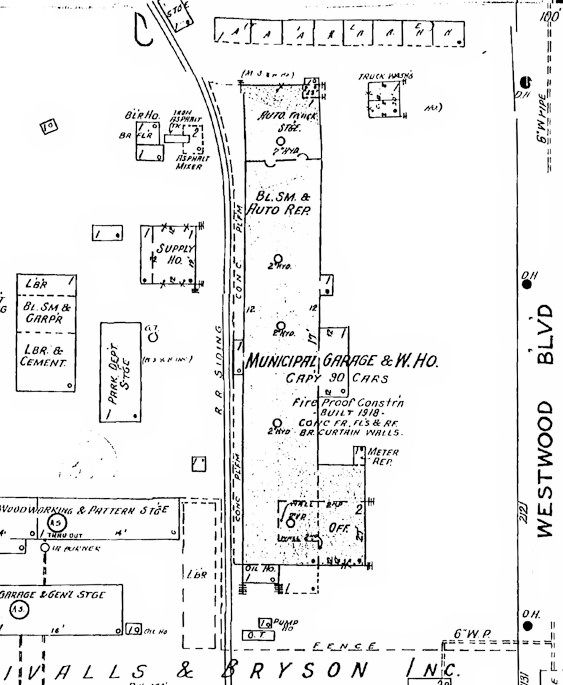
A side-by-side comparison of the 1922 and 1950 Sanborn maps show that, apart from use, the original 1917-1918 building (though remodeled during the city's ownership) remained largely the same. Look closely at the 1950 map and you will see the notation, "Built 1918." Click on either map for a larger view.
1922 Sanborn Map
1950 Sanborn Map
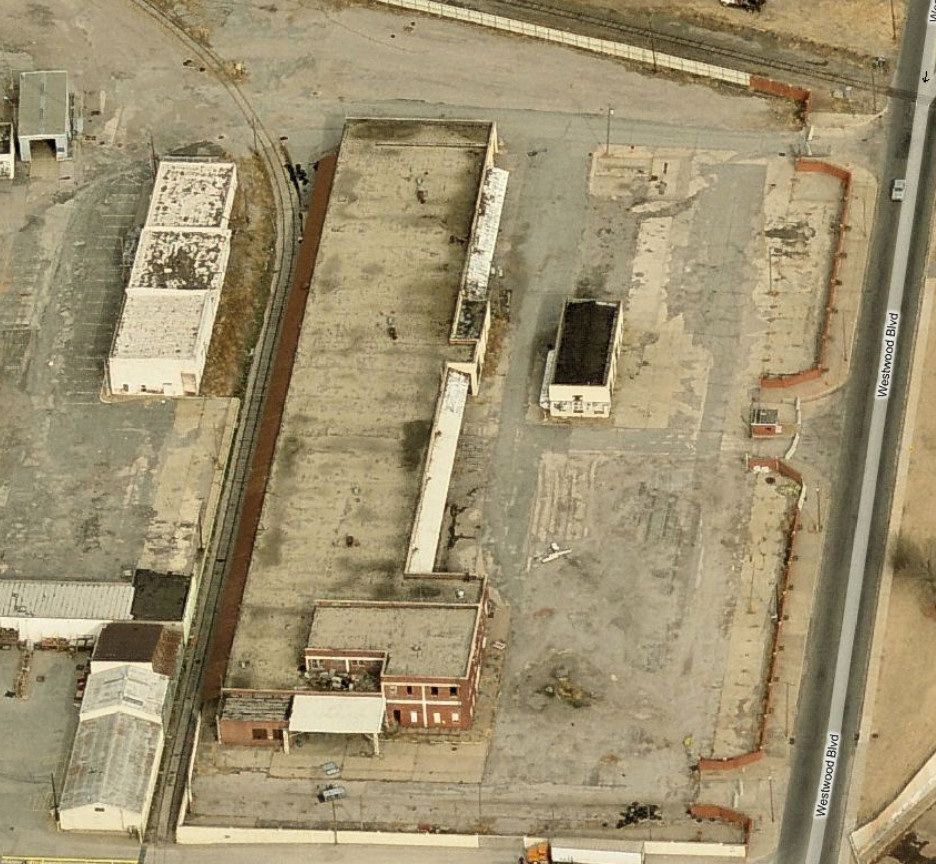
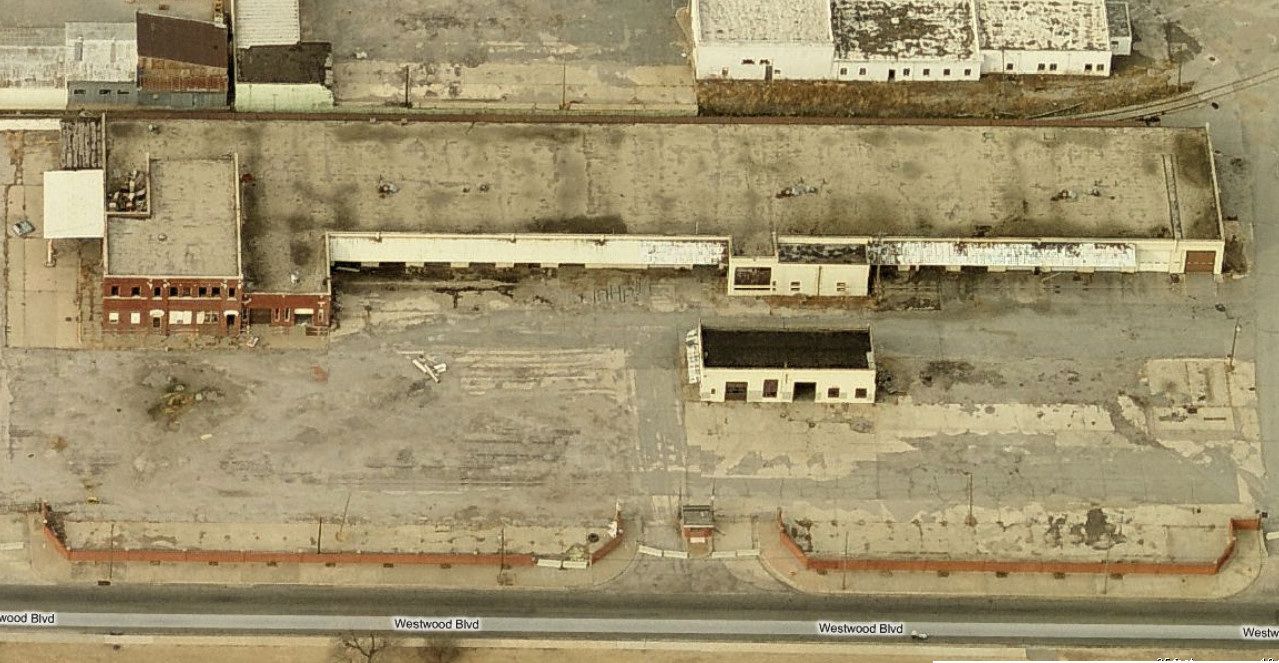
The last Oklahoman articles I located showing the property's address, 2121 Westwood Boulevard, were in the mid-1990s but are not worth including. Whether the property is owned by Oklahoma City today, I don't know. County Assessor records do not show a property at the address of 2121 Westwood Boulevard. Using MS Maps (now Bing), the following bird's eye views are shown (click for larger images):
A problem with such map views is that they don't say when the images were taken. In driving to the property on December 29, 2009, it appeared to me that the building was gone. The pics I took on that snowy day don't show that so well, so I'll try and get some laters.
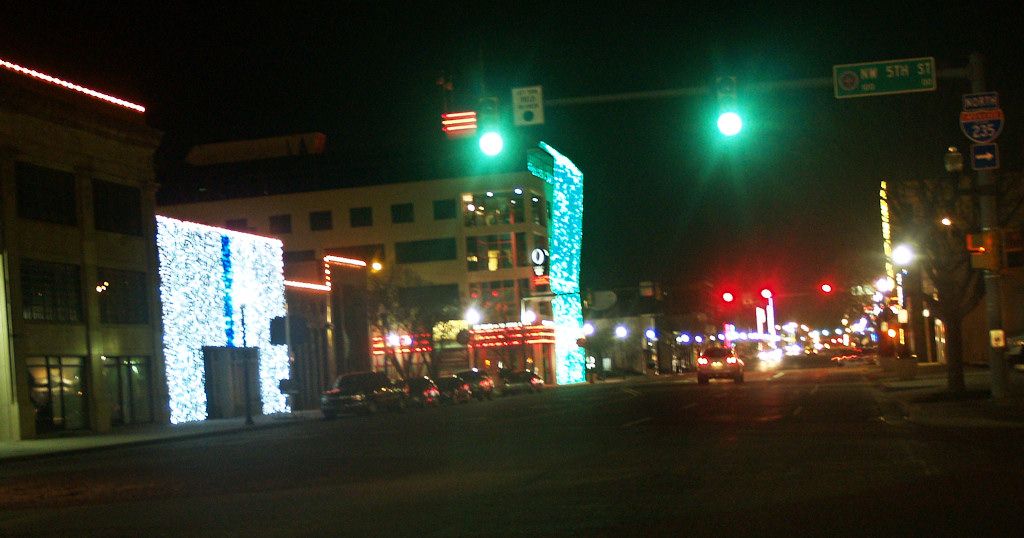
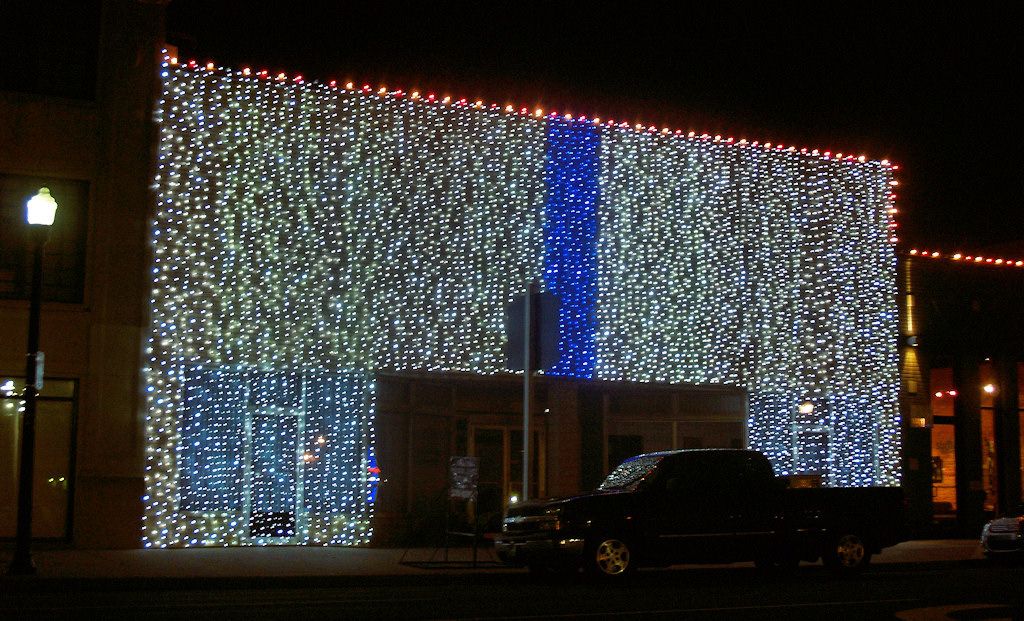
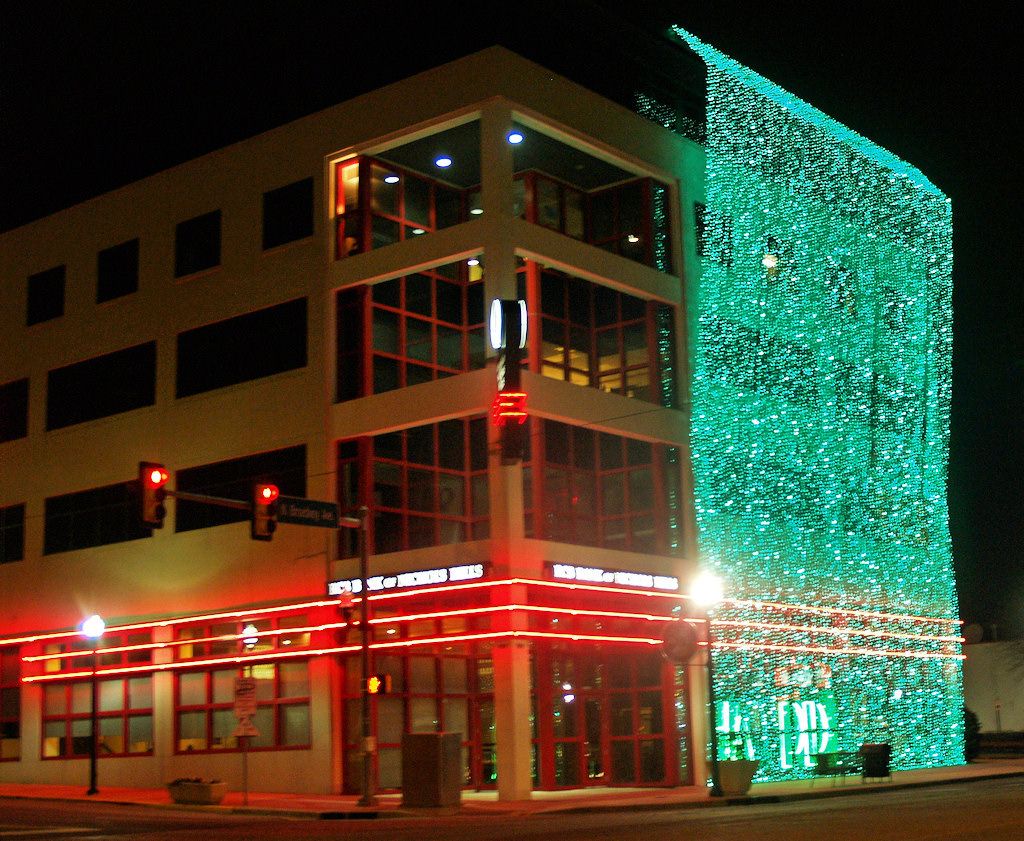
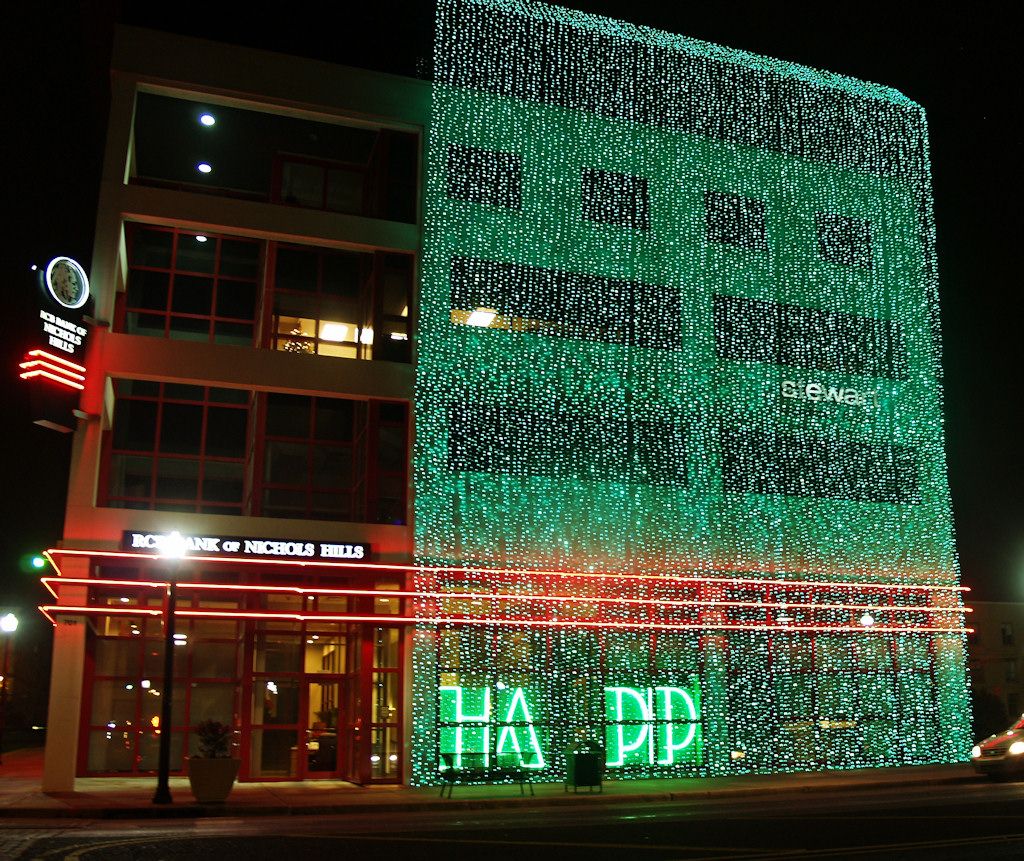
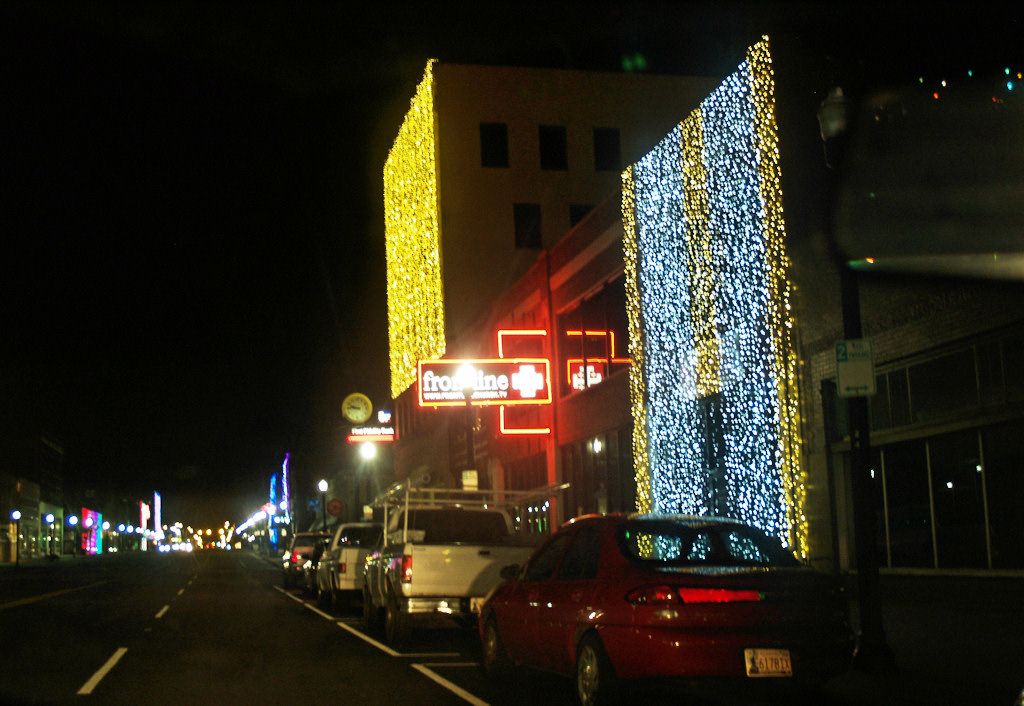
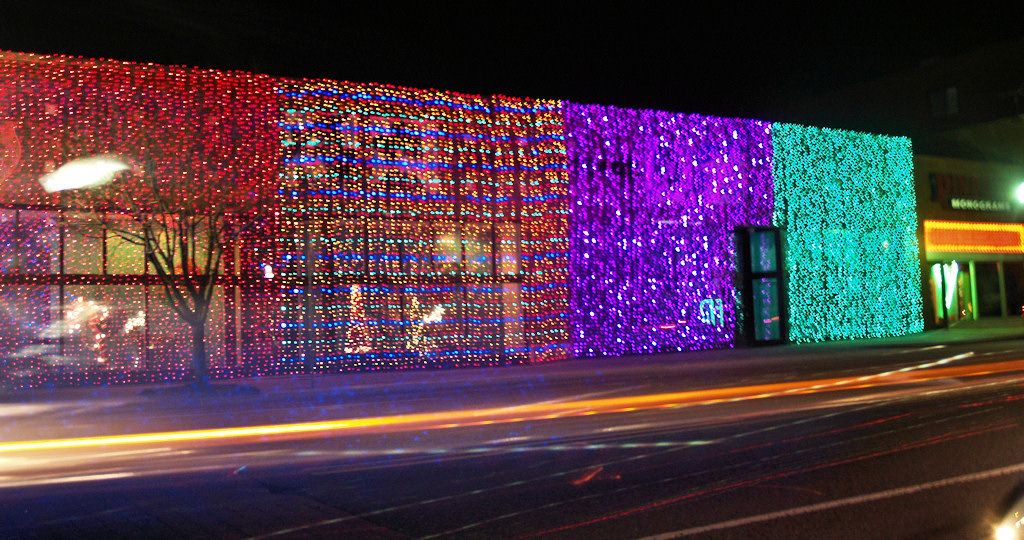
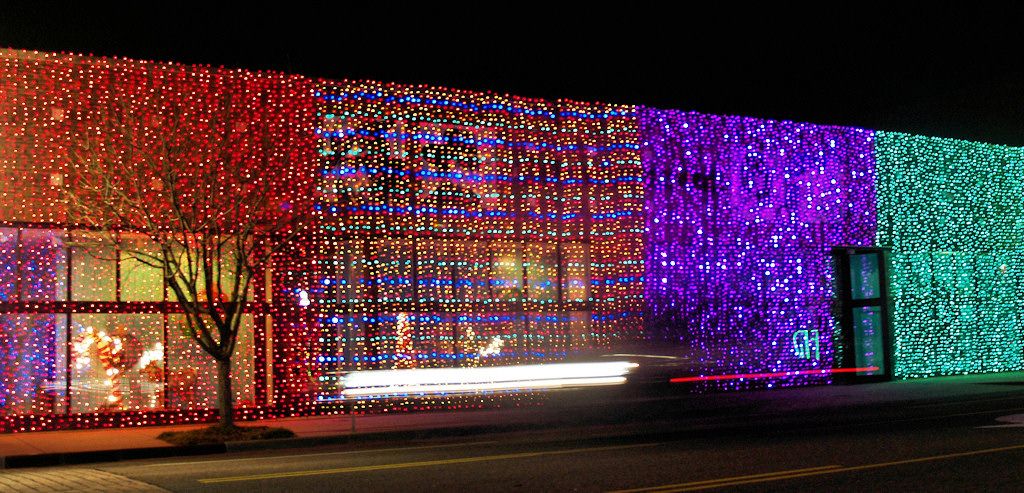
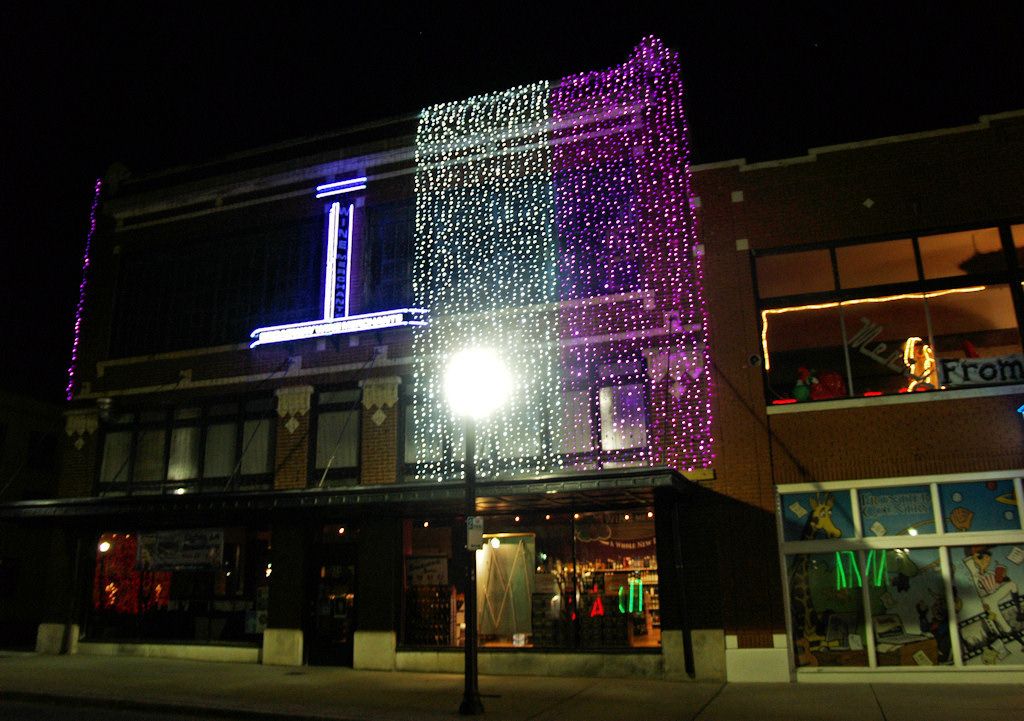
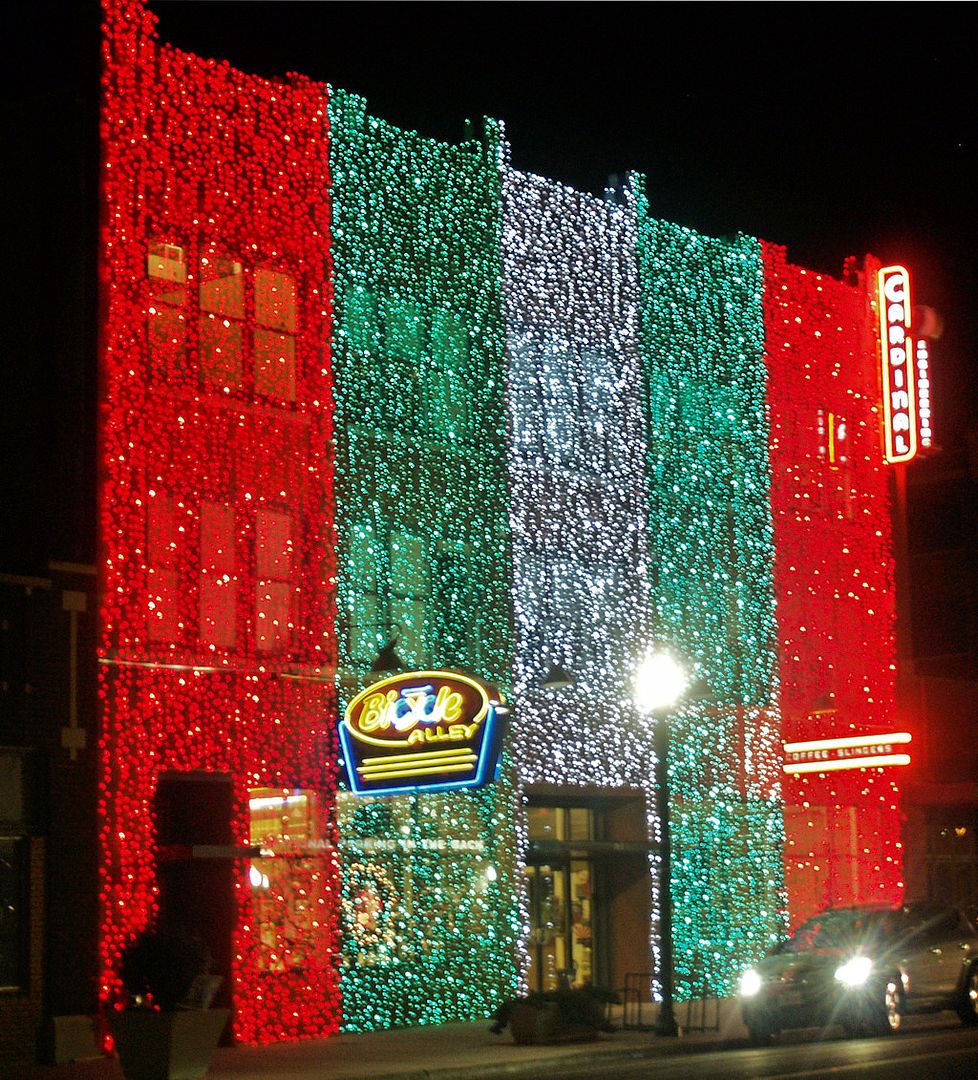
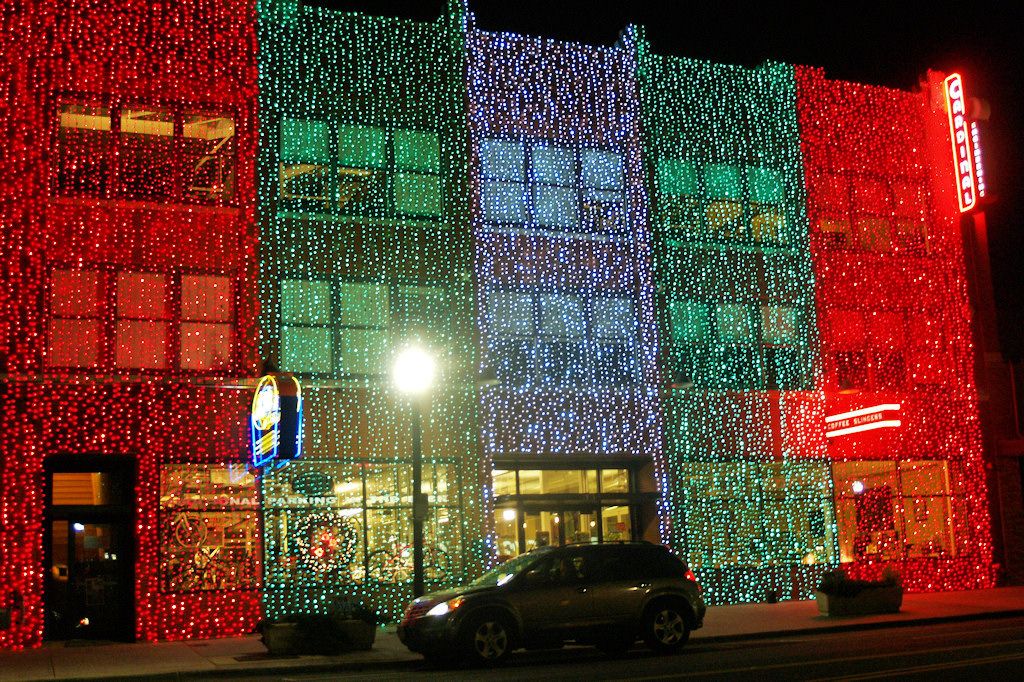
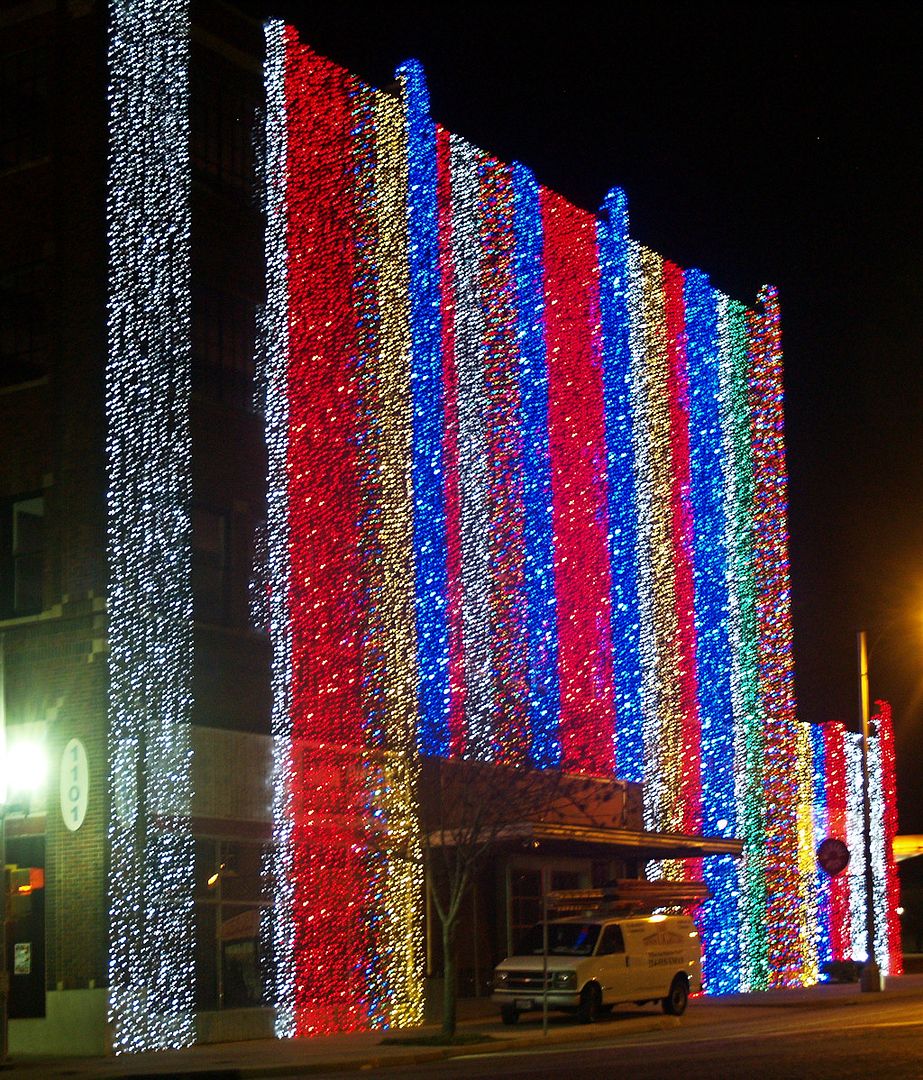
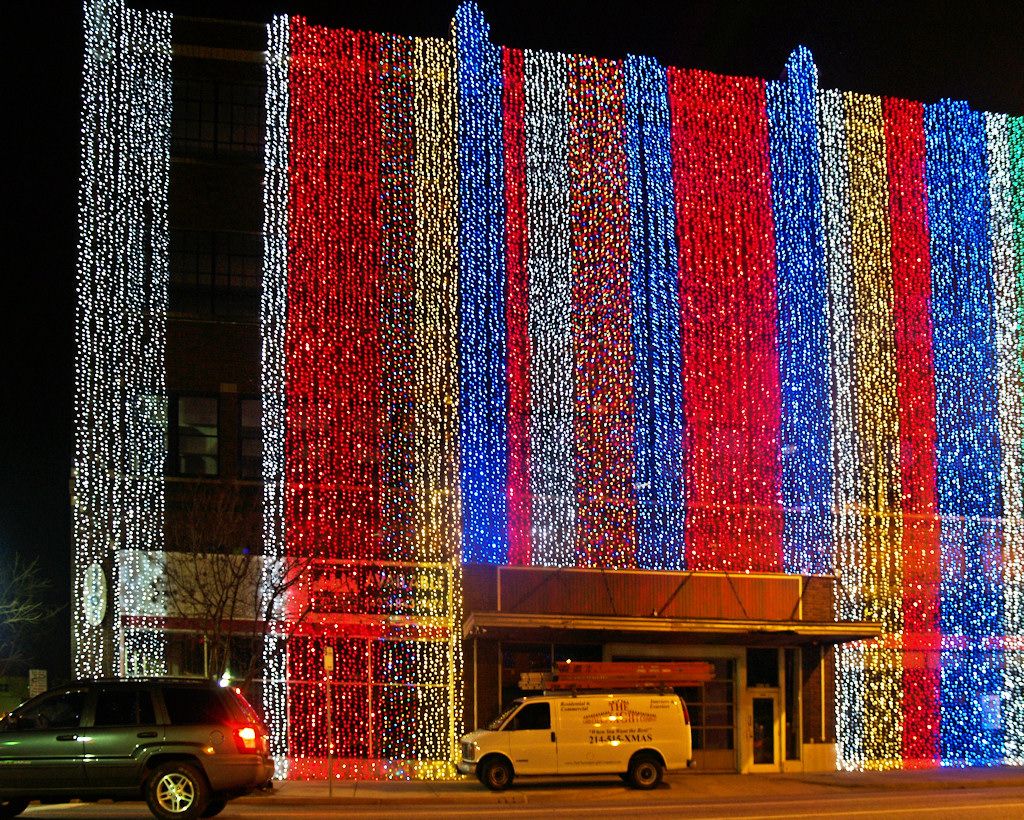
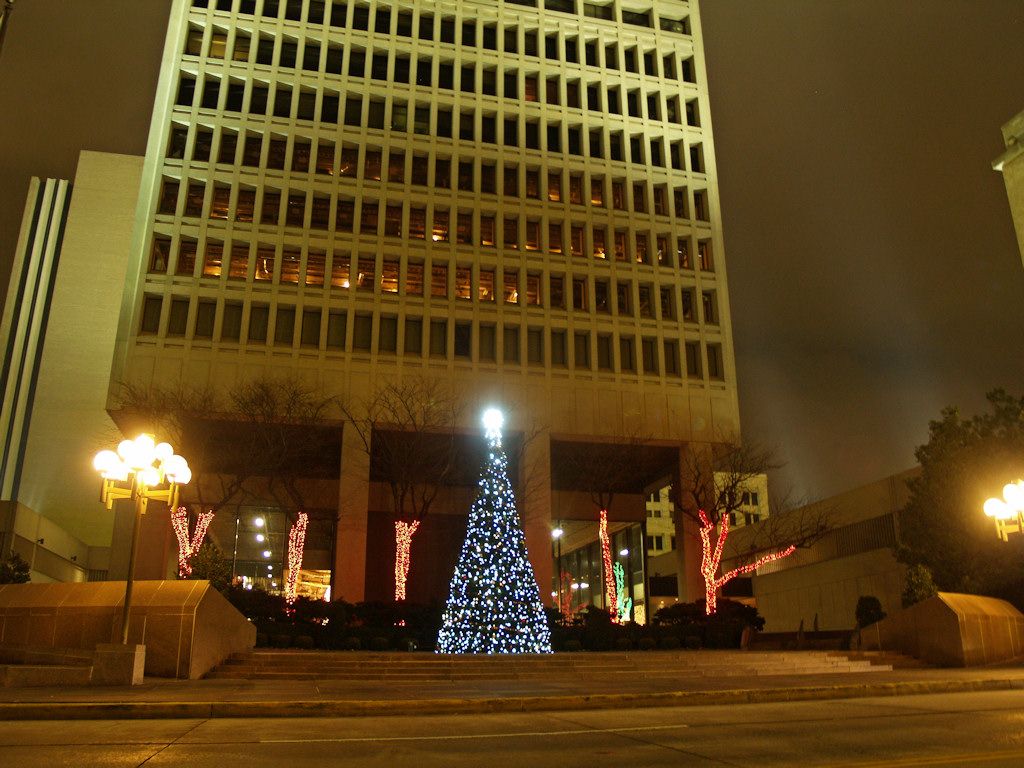
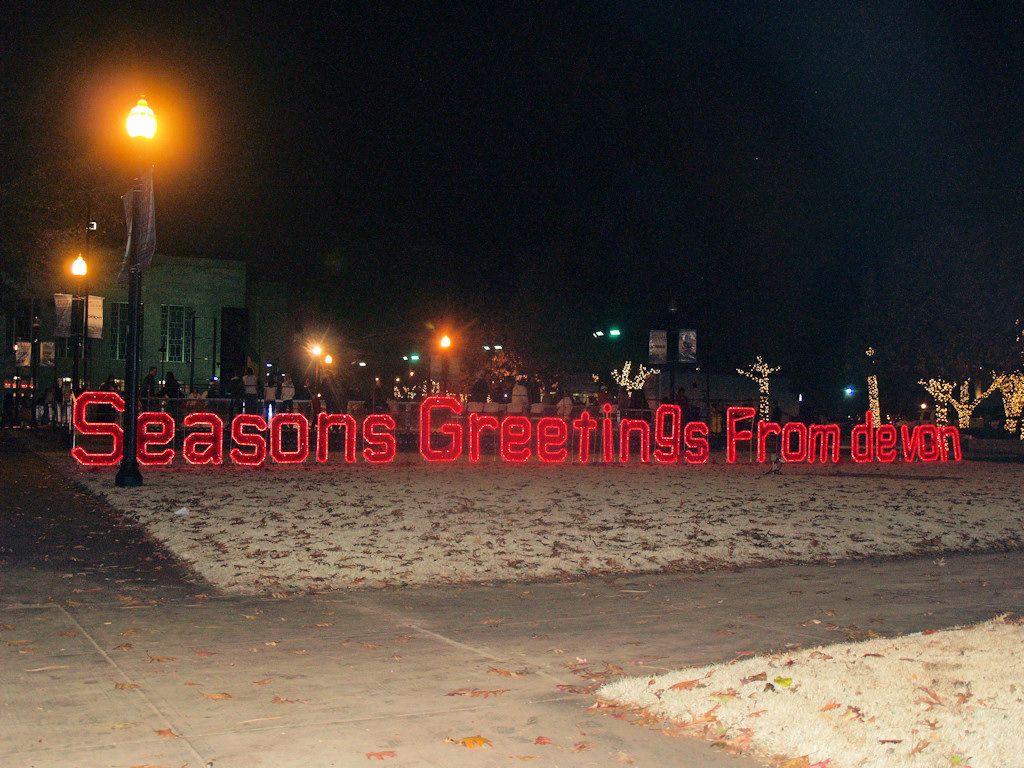
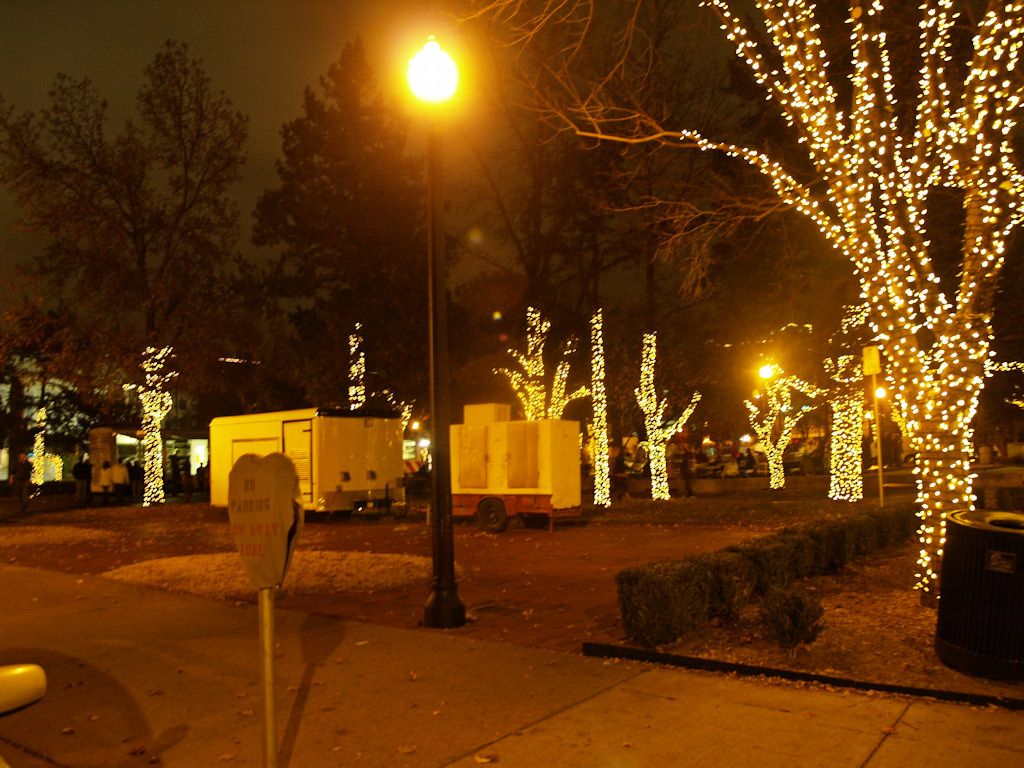
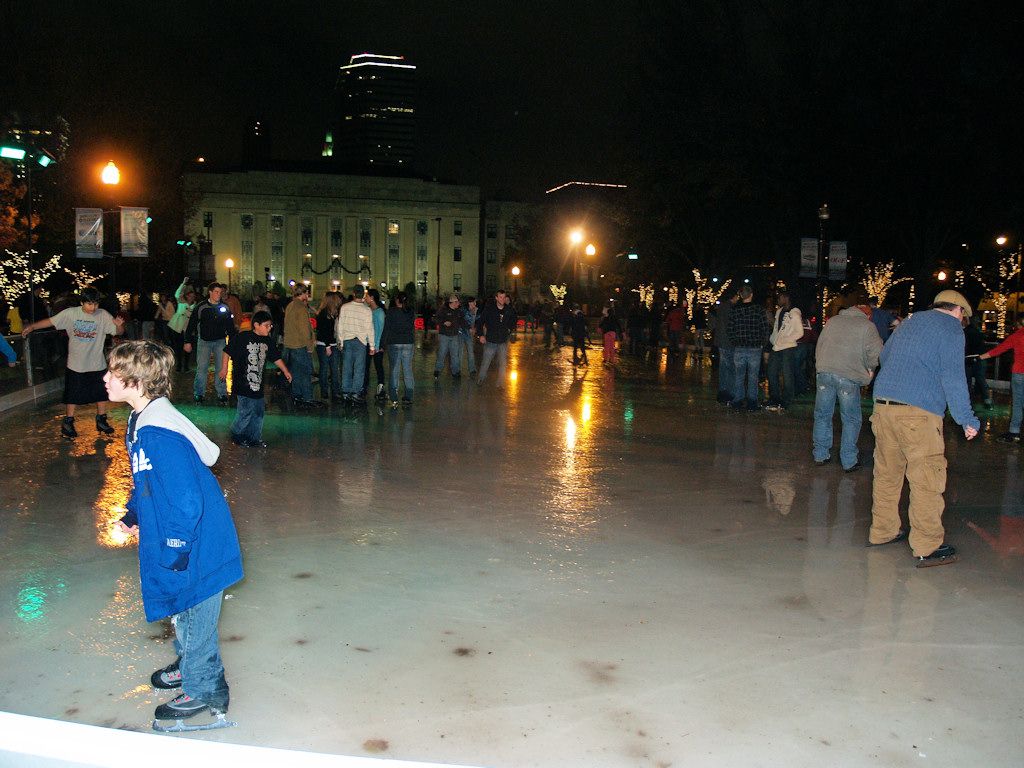
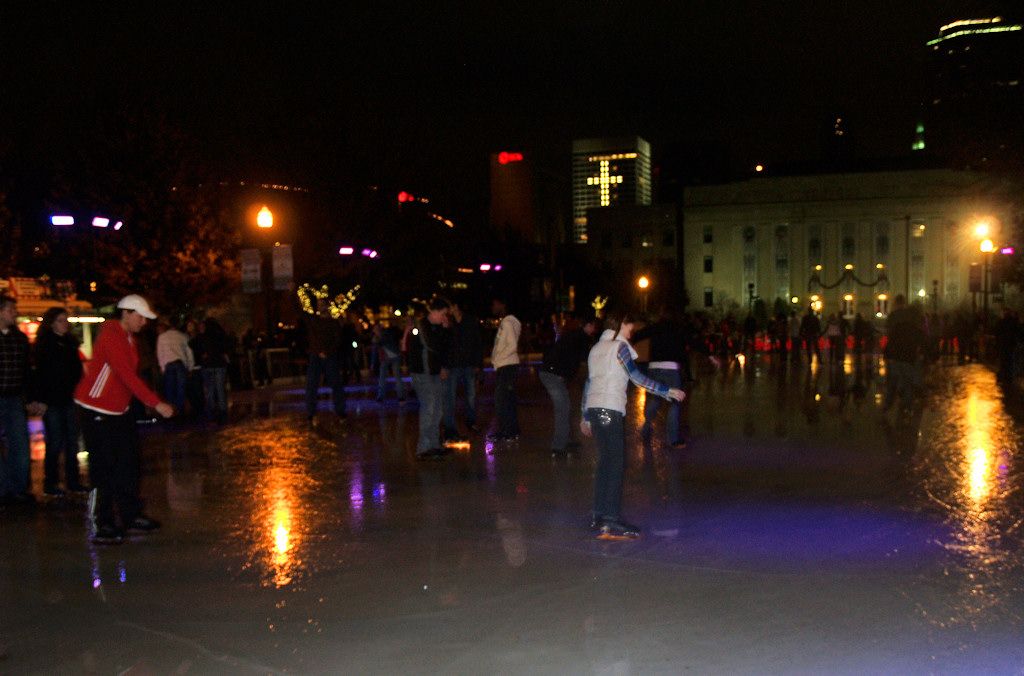
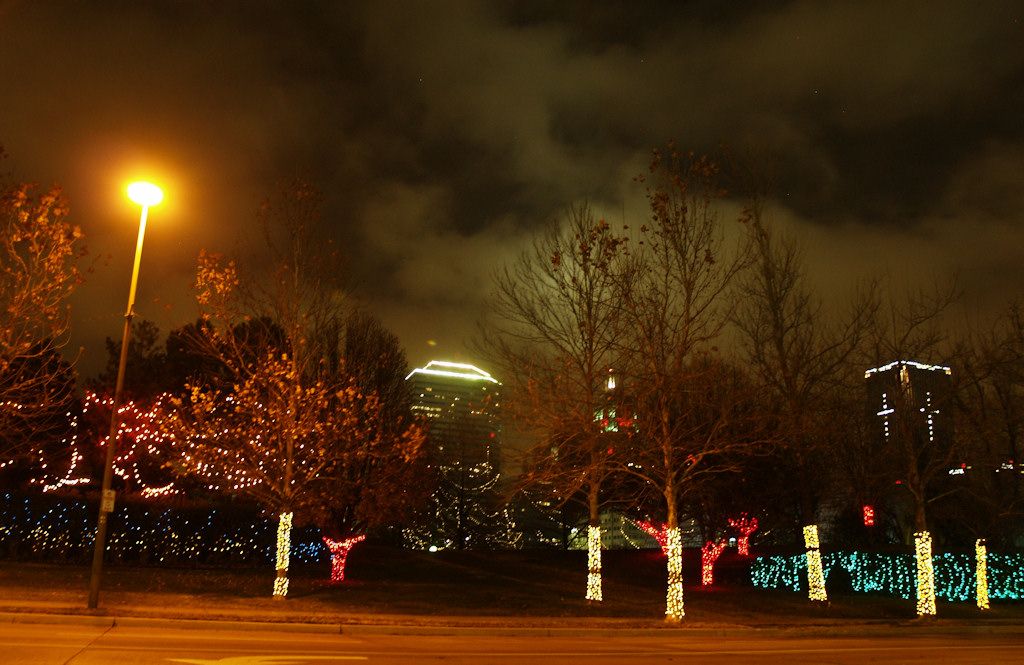
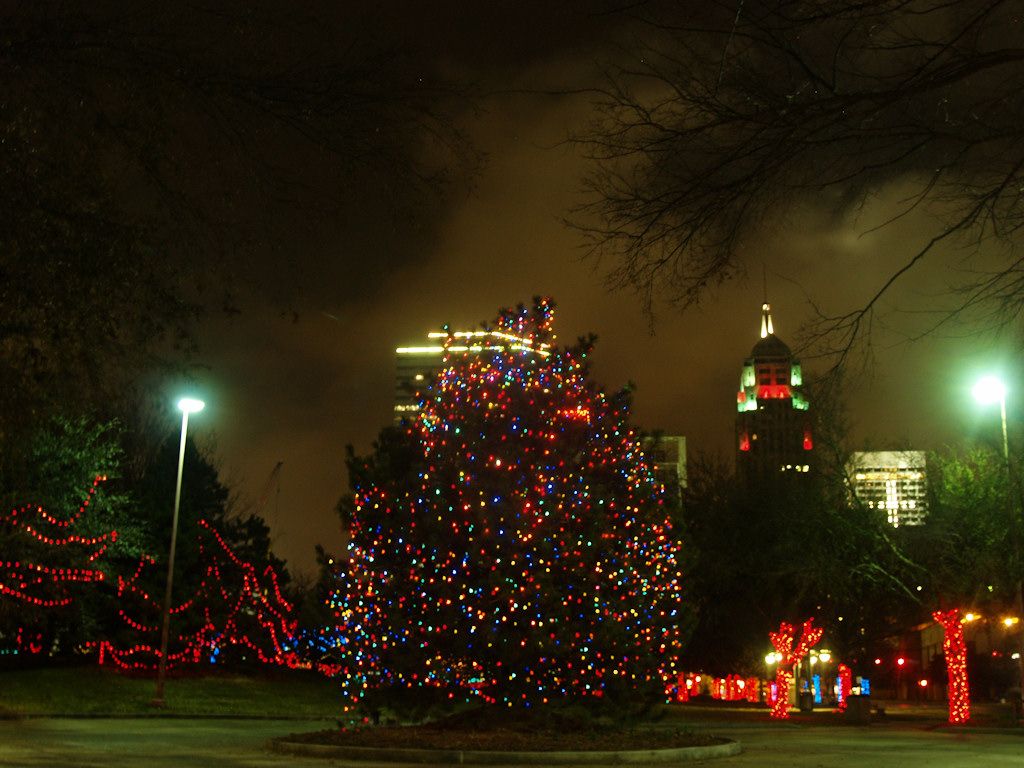
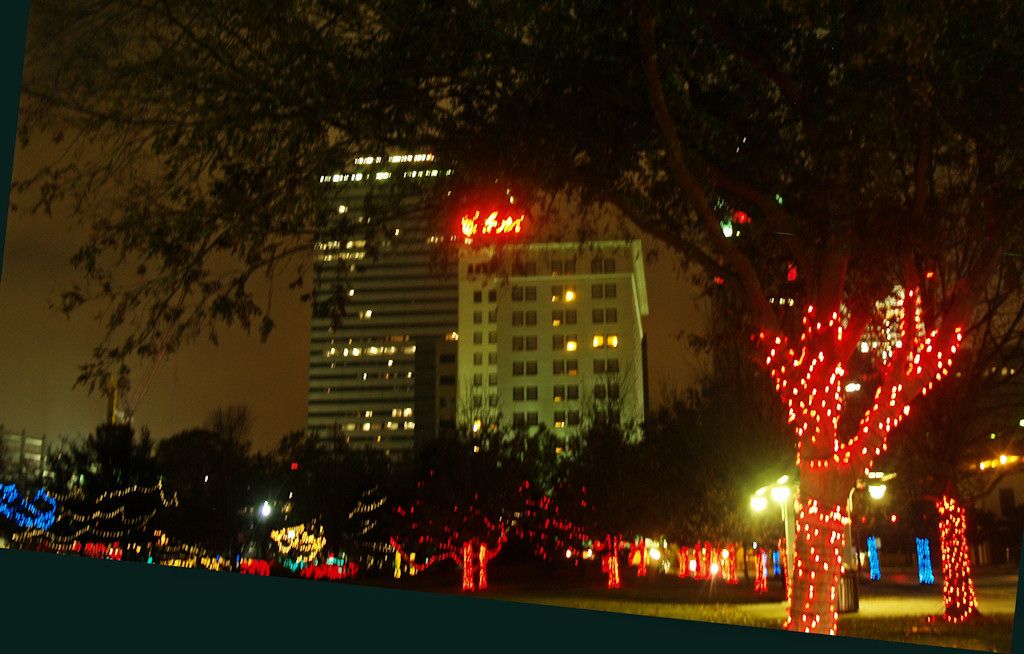
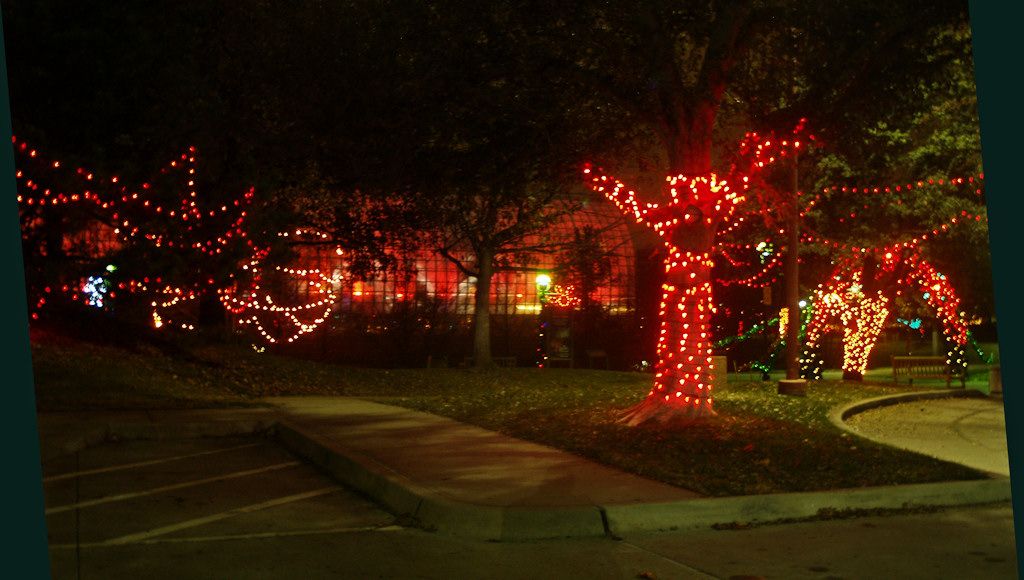
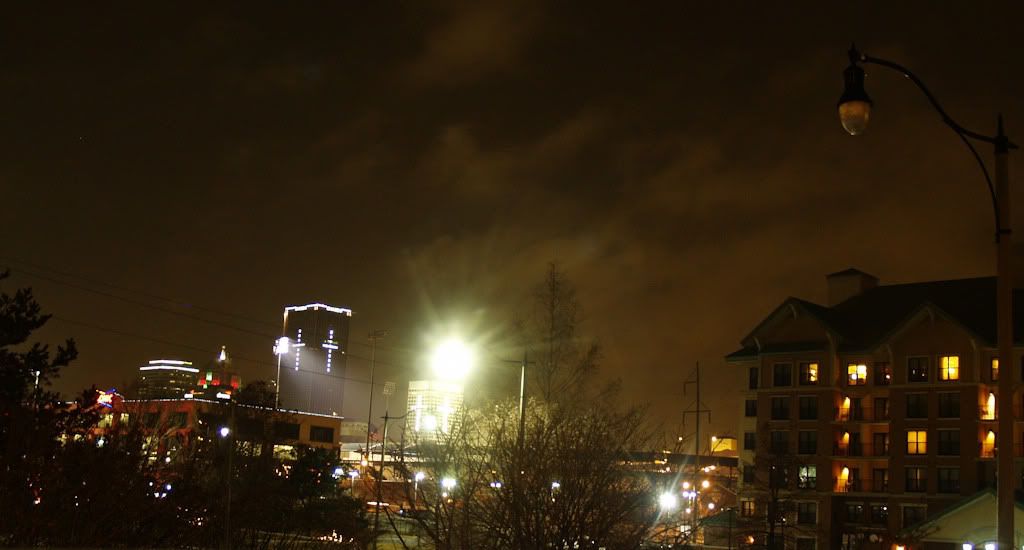
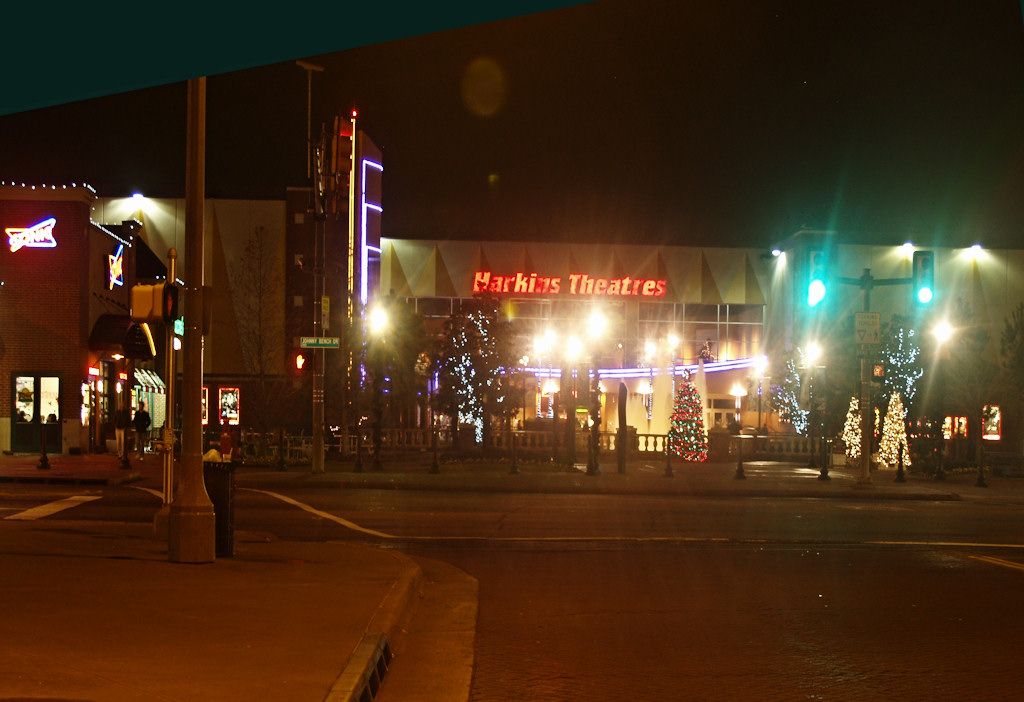
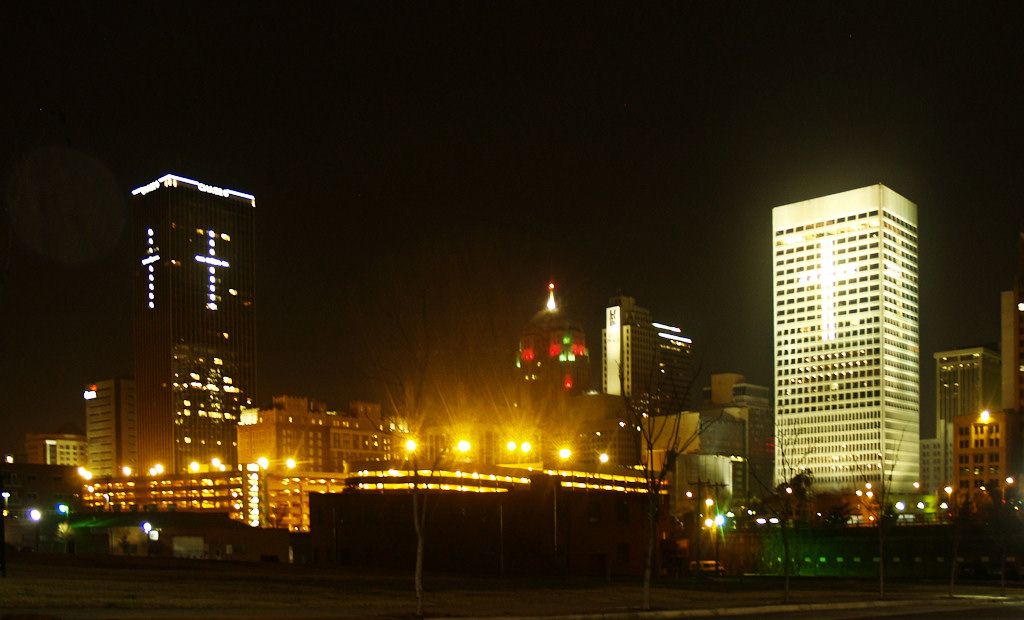
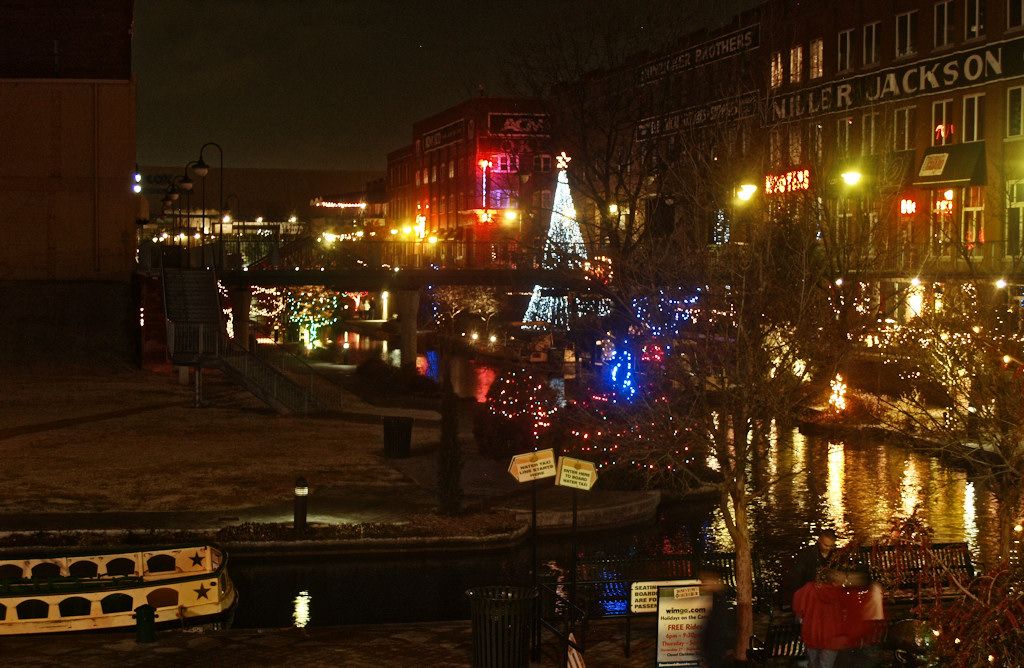
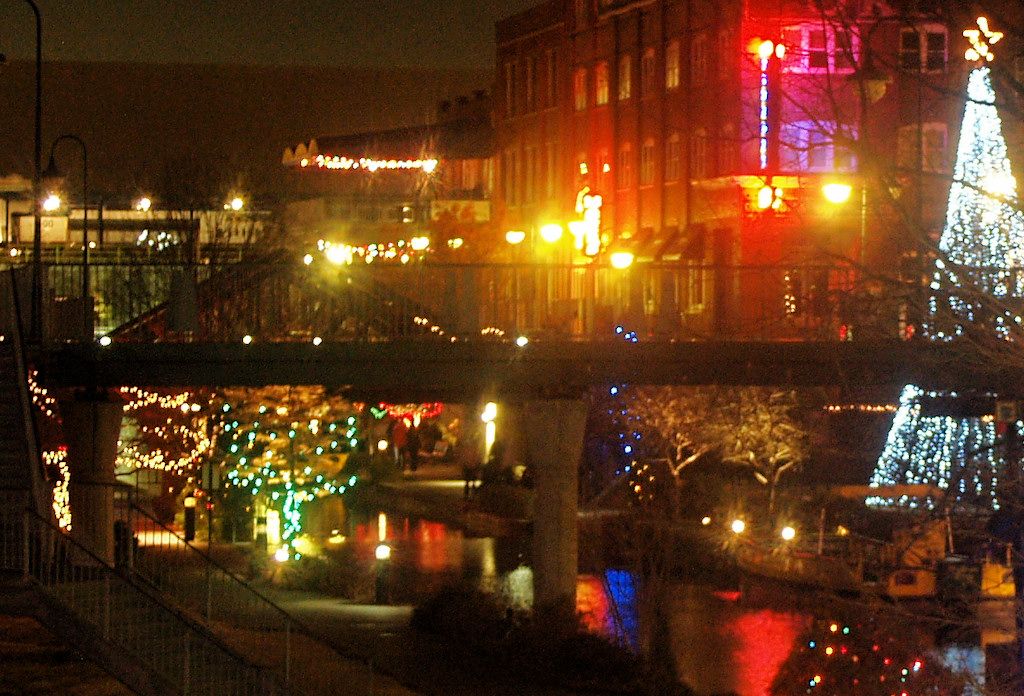
This is my Christmas Card for all of you who kindly drop in to Doug Dawgz Blog from time to time. Words are few but pretty pictures are plentiful of the city that we love. The file will take a bit of time to load so be patient. After the flash file has loaded, music and navigation controls add to the enjoyment. I've also added the individual photos in individual graphic files, below. Enjoy!
I may add more links to and embed some videos from other internet sources from the Oklahoma City metro, such as the one below ...
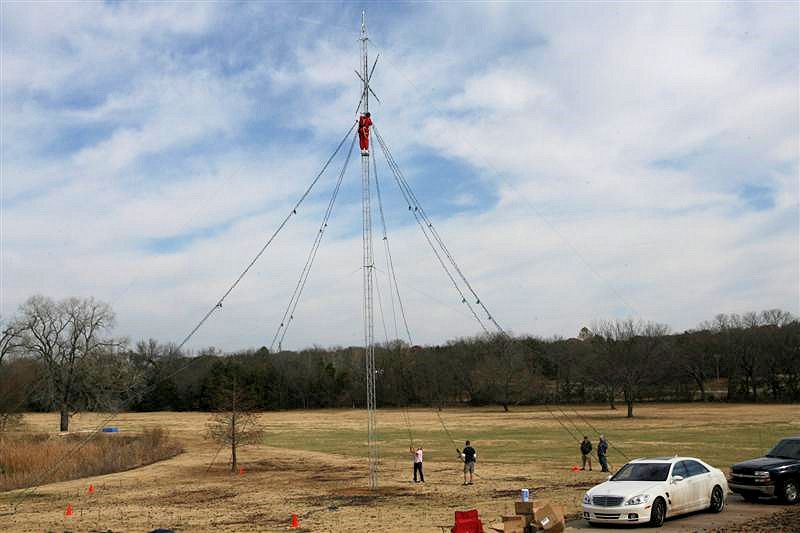
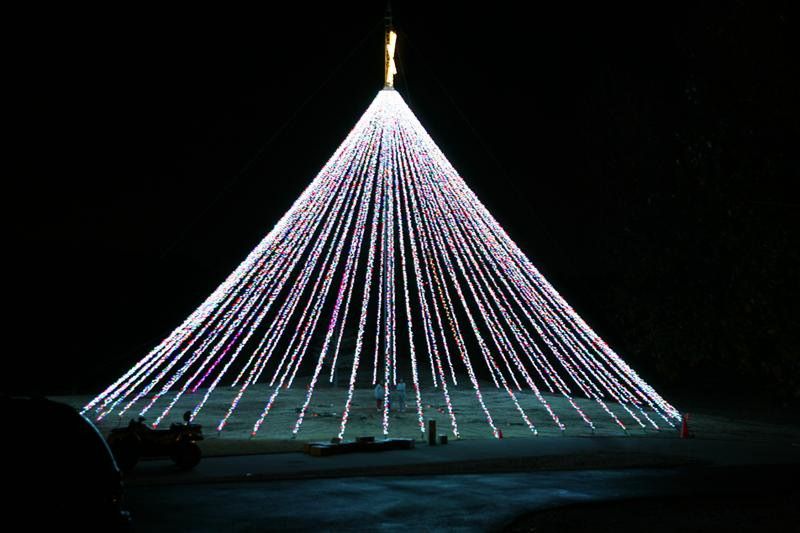
Downs Family Christmas. You want to see some utterly incredible Christmas lights and displays? You want to see one that is 300 feet wide, the length of one standard football field? If so, there is only one place to go ... the Downs Family Christmas website or actual location shown in the map below:
This gives you an idea of the sweeping size of the project ... this is only the Christmas tree at the east end ... being constructed and then illuminated ...
If you can't make it there, check out their videos located here. A screen capture of one of the videos is shown below.
Better than a still-screen capture, here is one of their more serious Christmas (i.e., what Christmas is actually about) videos ... others there are more playful ... but this is the one that captured me ... fall on your knees, oh hear the angel voices ... oh light divine, when Christ was born ... I know it sounds silly to say, but in this process I may actually have become a Christian again ... as I once was ... and, I think, am again, if God will have me ...
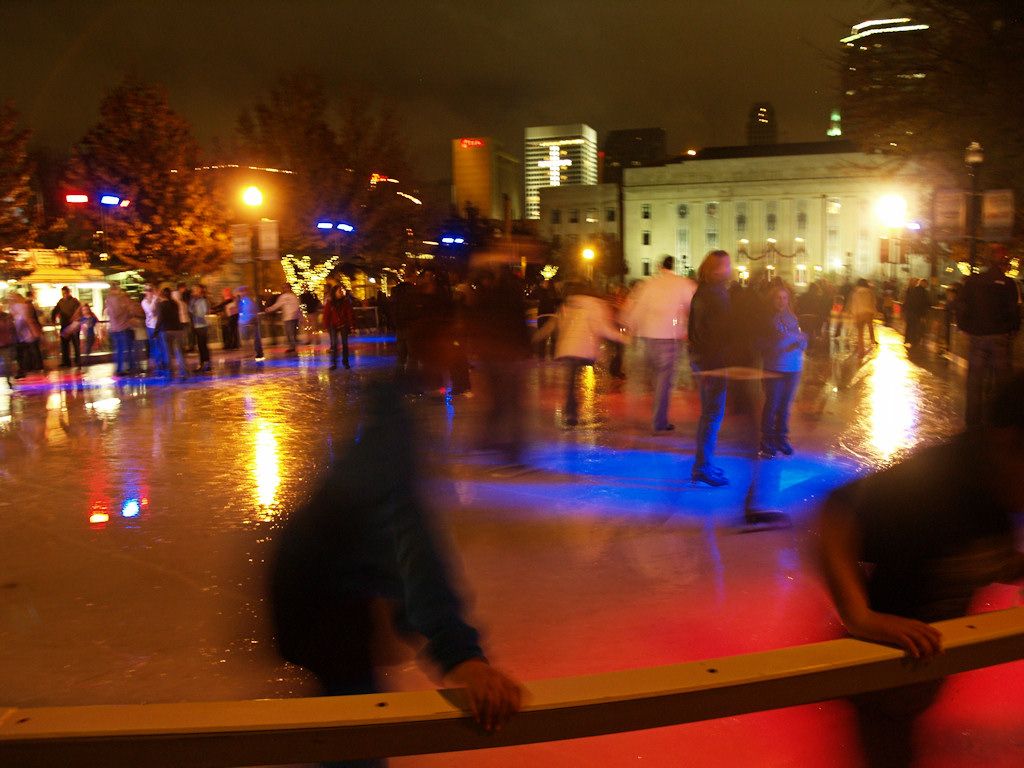
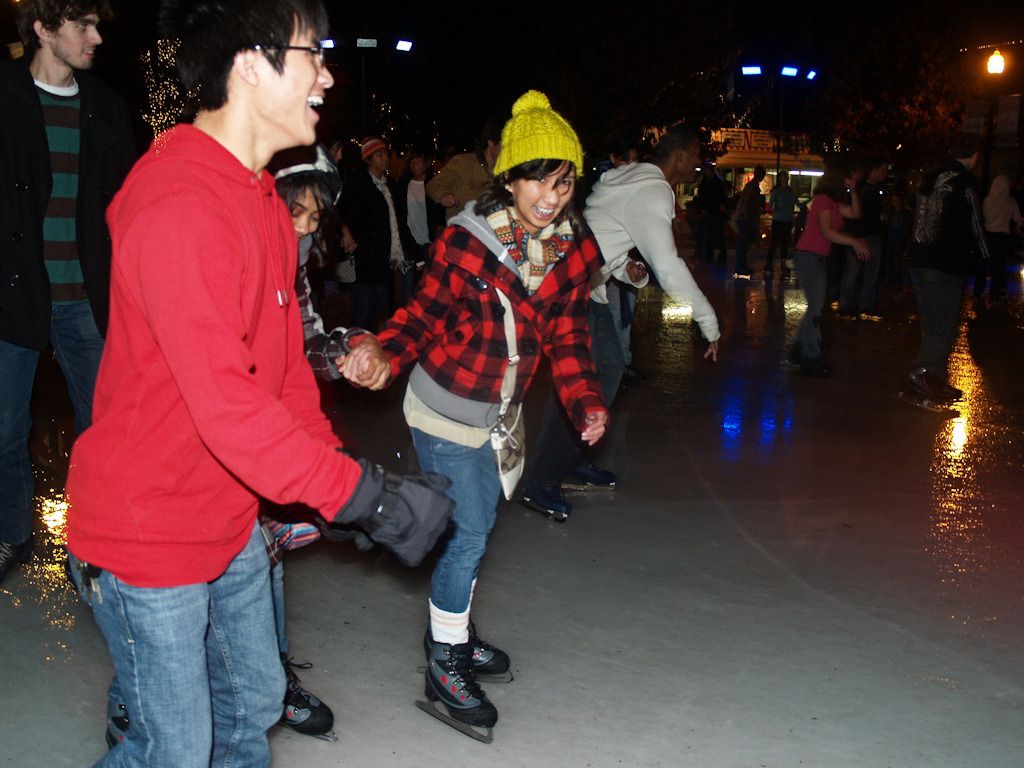
Individual Photos. The individual files used in the flash show at the top are presented here. Click on any small picture for a larger view.
Broadway
Sandridge Tree
Devon Ice Rink
Myriad Gardens
Bricktown
When one gets down to the point, Christmas Is About The Birth of the Christ Child ...
To all who read this, I wish each and all of you a very merry and holy Christmas season! Holy crap! Though testing will be required to be sure, it appears that that I may have some telltale signs of being, yet again, a religious person ... I wouldn't have used the word "holy" a season or two ago. Today, I do. God is good. I wish a blessed Christmas to you all.
The TLO Summer of 2026 Oklahoma News Quiz
-
Before we power down the TLO content machine for the Labor Day holiday, we
figured we’d leave you with The TLO Summer of 2026 Oklahoma News Quiz – 10
que...
Operation Scissortail - Our Latest Book!
-
[image: devon book cover]
We are very happy to announce the release of our latest book, "Operation
Scissortail," a narative history of the construction o...
Saturday in the Park..on a 113 degree day
-
For those who don't know, there is a reason I've gone very quiet at such a
pivotal moment for Downtown OKC. I accepted a position in Cleveland, Ohio
and I...


 No, not lost, just put where it belongs, in the past.
 I was at that January 6 game and badly wanted for MY team, OUR team, to whip those Cajun guys. We didn't (and I still think we was robbed of a win by the officials), but about a month later, on February 3, we did, whipping the Bees on their home court. If nothing else, that game broke a string of 10 consecutive losses to the Hornets spanning back to Seattle days. As — if not more — gratifying to me and others was the fierceness with which Oklahoma City FANS wanted to win both of those games against our first love — fans who now embrace without reservation the former Seattle team as their own.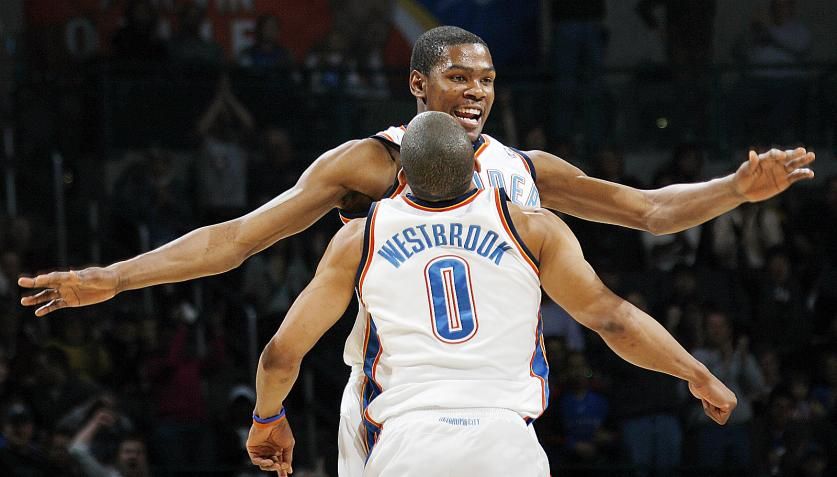






 Bartholomew Plan Overview. The debate's real focus was whether the city would have a superhighway which would pierce and run through the city's limits which is precisely what the Bartholomew plan did, as seen at the right, and the plan is not at all unlike the system we know today. It is recalled that until the present day I-40 Crosstown was constructed no east/west highway passed through or near the downtown area. From downtown, to get to Yukon, State Highway 4 ran west along N.W. 10th Street; for El Reno, N.W. 39th Street, U.S. 66 (among other numbers) was the route; eastbound traffic to Shawnee would use S.E. 29th Street, State Highway 3, or N.E. 23rd Street, U.S. 270. Moreover, no express north/south routes were available. While U.S. highway traffic did flow north and south through downtown, it was via slow moving local streets.
 An Opposition Plan. Seen at right, the differences between the Bartholomew Plan and the opponents' so-called compromise plan are night and day. This plan was hurriedly conceived and put together by opponents during an April 26 city council meeting. Grand Boulevard would become a paved but not a super highway, a loop, from which other new federal highways would connect at city limits and proceed outward in four directions, and none of those roads would even come near downtown. It was argued that an east-west superhighway would do nothing more than effectively re-create barriers, the Rock Island and Frisco rail tracks, it had taken the city so long and at great expense to remove only 15-16 years earlier, and that such a superhighway would further divide north and south Oklahoma City.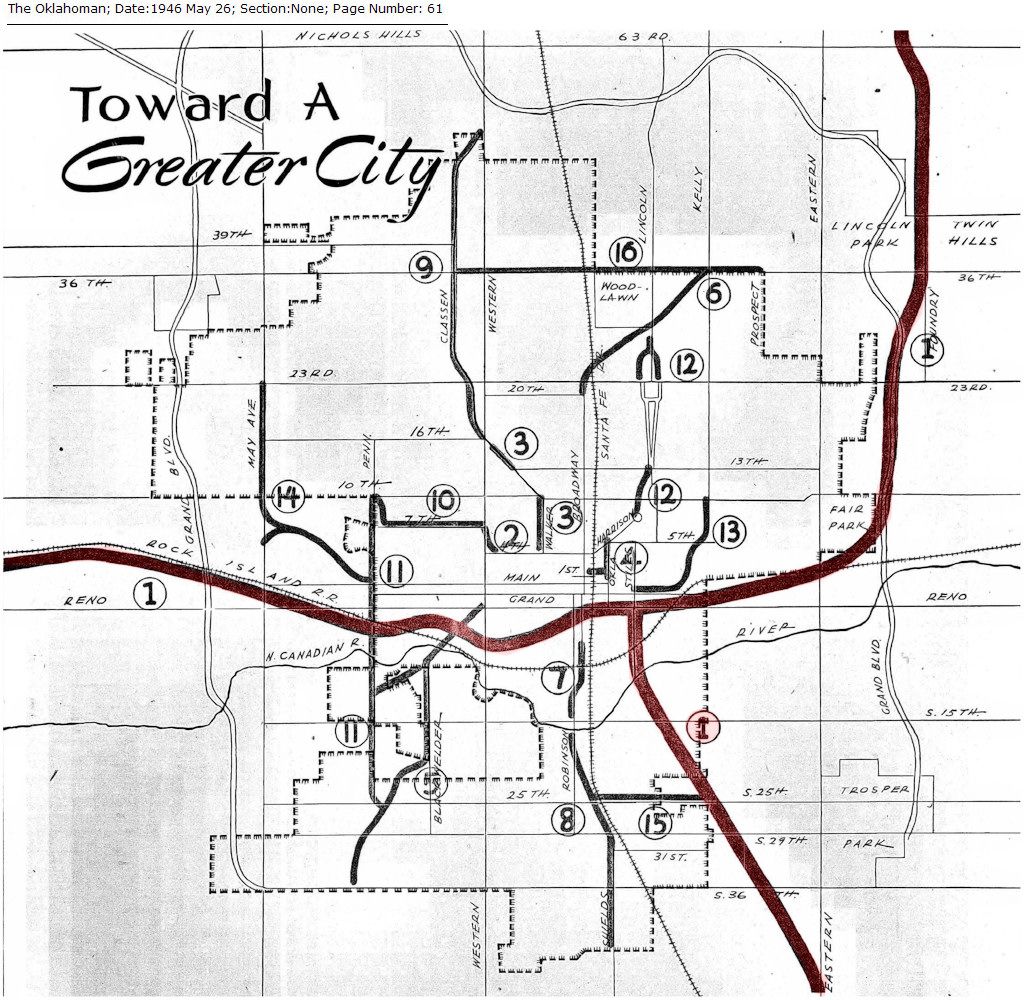


 Geeky? Maybe so, but what am I?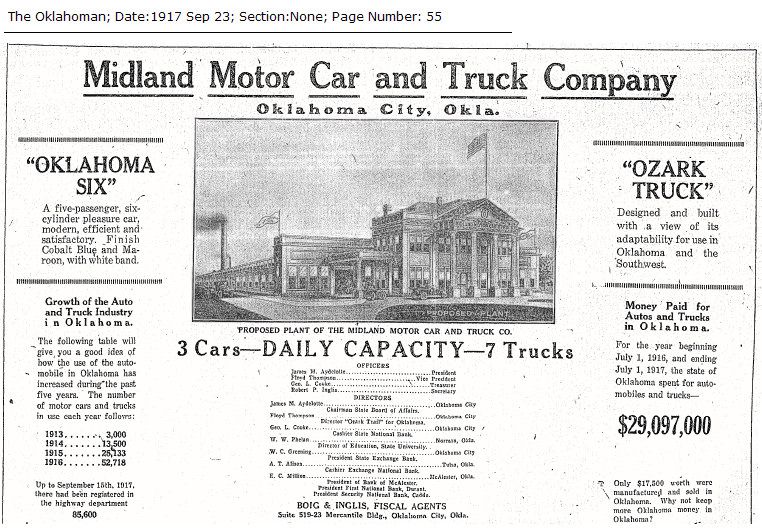




 WICHITA FALLS MOTOR COMPANY. This company was headquartered in its namesake city south of Lawton (and the Red River), near the Texas-Oklahoma border. With its beginnings in 1911, it was one of the first truck manufacturers in the United States, certainly the first in Texas. Lapping in time the Midland Motors operations in this city, Wichita opened a branch sales and service location here in March 1919 with its location at

 Nothing appeared in the papers to indicate that all was not well with the company's Oklahoma city operations, but that fact must have been attributed to the Oklahoman not reporting fully since, on August 30, 1922, the brief Oklahoman article shown here shows that the company's 3-year manufacturing operation in Oklahoma City had come to an end. The retail and service end of the business continued at least until 1928, as evidenced by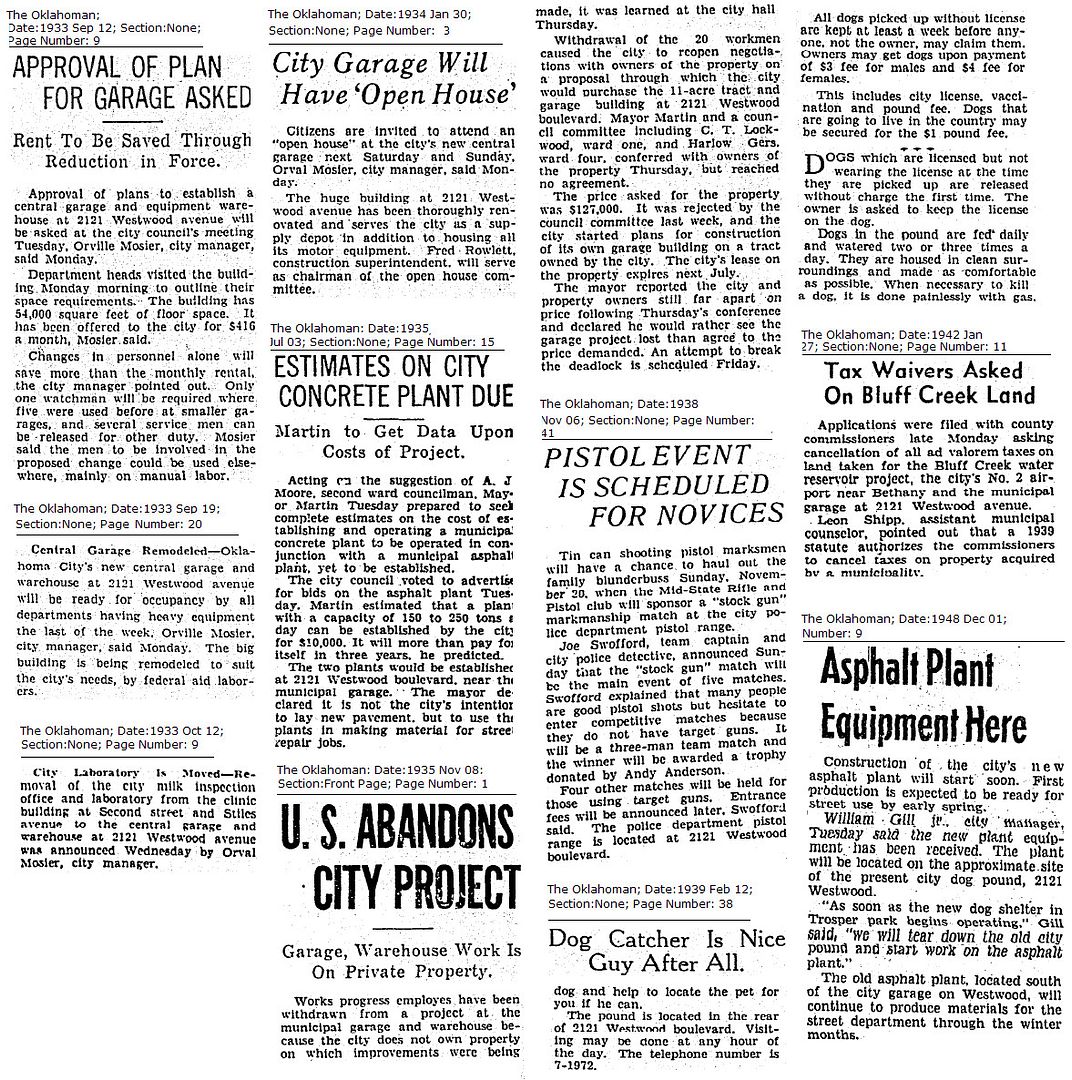









 Posts
Posts


