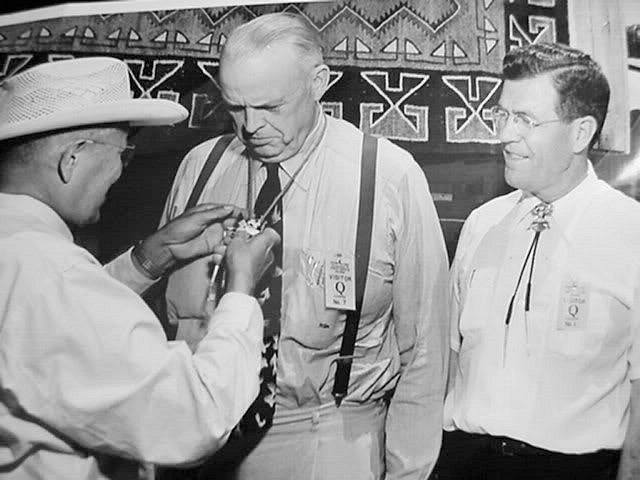
Robert S. Kerr & Dean A. McGee Receive Bolos in New Mexico, circa 1950s
As much as all in Oklahoma City appreciate that SandRidge purchased from Anadarko Petroleum the former Kerr-McGee properties and moved its operations downtown, historically speaking, all Oklahoma Citians, including SandRidge, would be remiss if they failed to recall the enormous contributions that the original owner (in relatively modern times) made to the properties presently involved in the SandRidge Commons proposal. That "original owner's" contributions and the members of its organization were enormously powerful in the forming the fabric of today's downtown and are also a large part of this city's historic legacy.
That "original owner" (in the relative modern era) of the SandRidge Commons properties was the Kerr-McGee Corporation. Its namesake principals became legendary figures both nationally and locally. One, Robert S. Kerr, became one of the most powerful United States Senators in the 20th century, and another, Dean A. McGee, became one of the most beneficent corporate and individual benefactors this city has come to know. Individually and collectively, they are an enormous part of this city's history, and are also an enormous part of the legacy that SandRidge Energy holds in its hands.
SandRidge, a relatively new company, is wanting to make its own Oklahoma City contribution as well and for that earnest desire it is wholly deserving of our praise and thanks. By the same token, it does not want to be identified by the former property owner, Kerr-McGee — it wants, and deserves, its own separate identification, and that is wholly fair and reasonable.
Query: Might SandRidge, in a modified proposal, be able to preserve the historic legacy of Kerr McGee and its principals and, at the same time, stake its own claim to be the proud heir of that legacy? Until a couple of days ago, I'd quite forgotten that I received the following e-mail almost three years ago (I'll keep the sender's name private unless and until he consents otherwise):
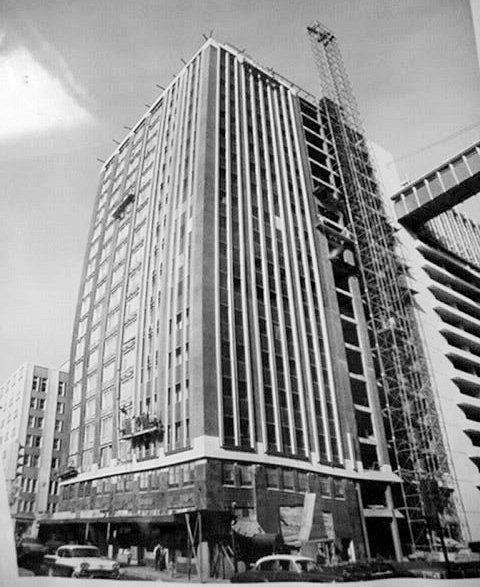
June 12, 2007 You won't believe what I came across at work, lot's of photo's, historical photo's of Kerr McGee/Anderson Kerr, KerrMac, etc. The Oklahoma History Museum was called, and never returned the call, or so I was told. So they loaded a huge cart full and chunked them into the dumpster, where I also chunked myself and took them all home. You need to look at them, when we both have some free time, let's get together, eat, or get something to drink and go thru them. I have separated all the Winnewood photo's and I am taking them down to their History museum. I haven't counted them, but I think about 1000 photo's and most are 8x10's, and a lot of photo's of the Kerr Mac building being built in 1962, the corner of Robinson and RS Kerr SE corner where the Journal Record temped in after the bombing.
I quickly responded, to the effect, "Sure, let's do it," but after that nothing further occurred. Not until I received the following May 6, 2010, e-mail, three years later:
May 6, 2010 Doug this is David *****. I've chatted with you in the past and I worked for Kerr McGee for 12 years. I have about two thousand photo's from the K/M archives that belong to me now. I'll send you a link to my photobucket so you can look at some that I have. Let me know if you want to scan my photo's and put up on your site. The link: click here.
I again quickly replied that I wanted to get together but, again, I've not yet received a reply (but am still hopeful that I will). But some of the low-resolution pics in his Photobucket folder appear below. Those photos show the tip of the iceberg that may well result from the photographs taken from Kerr-McGee's trash bins when it closed its doors a few years ago.
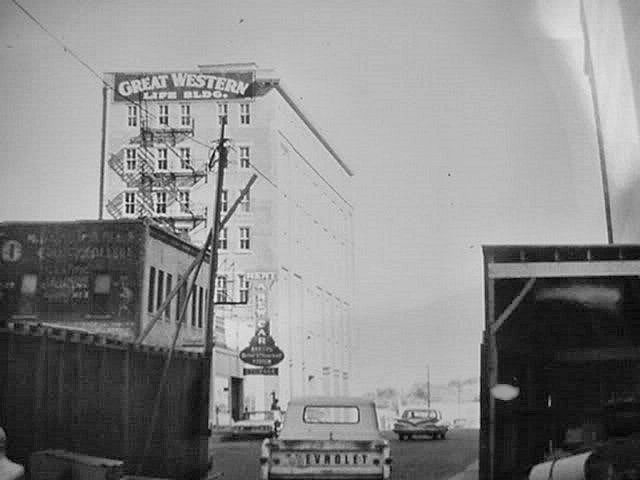
India Temple circa 1959-1960 — Great Western Insurance Co.
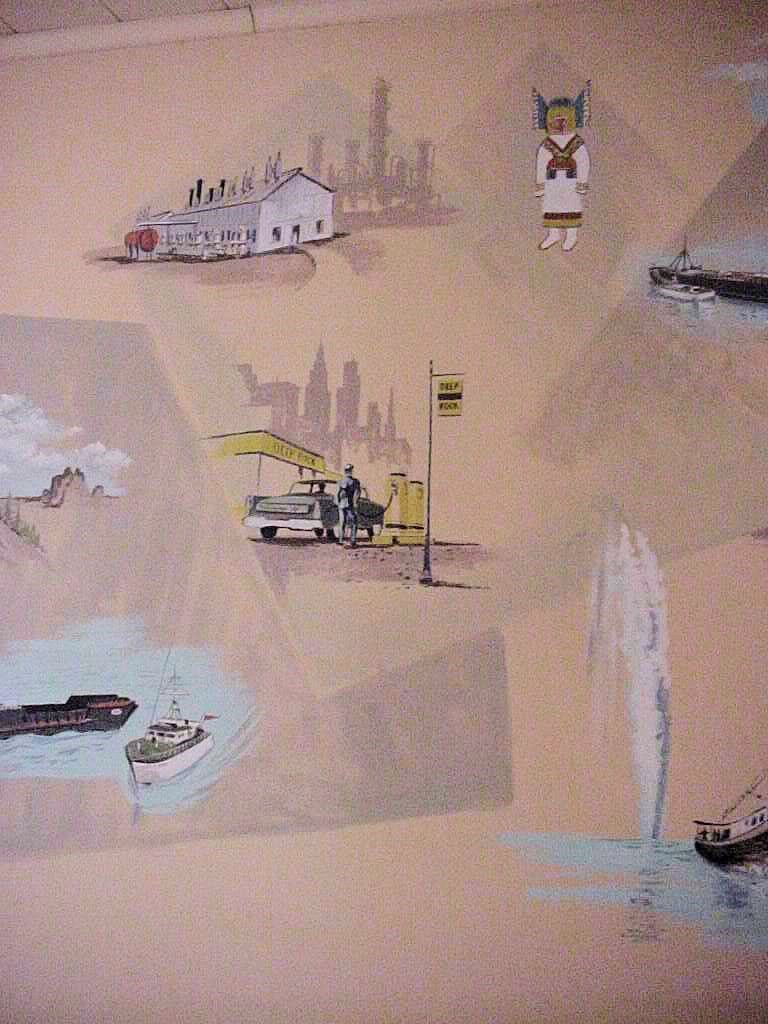
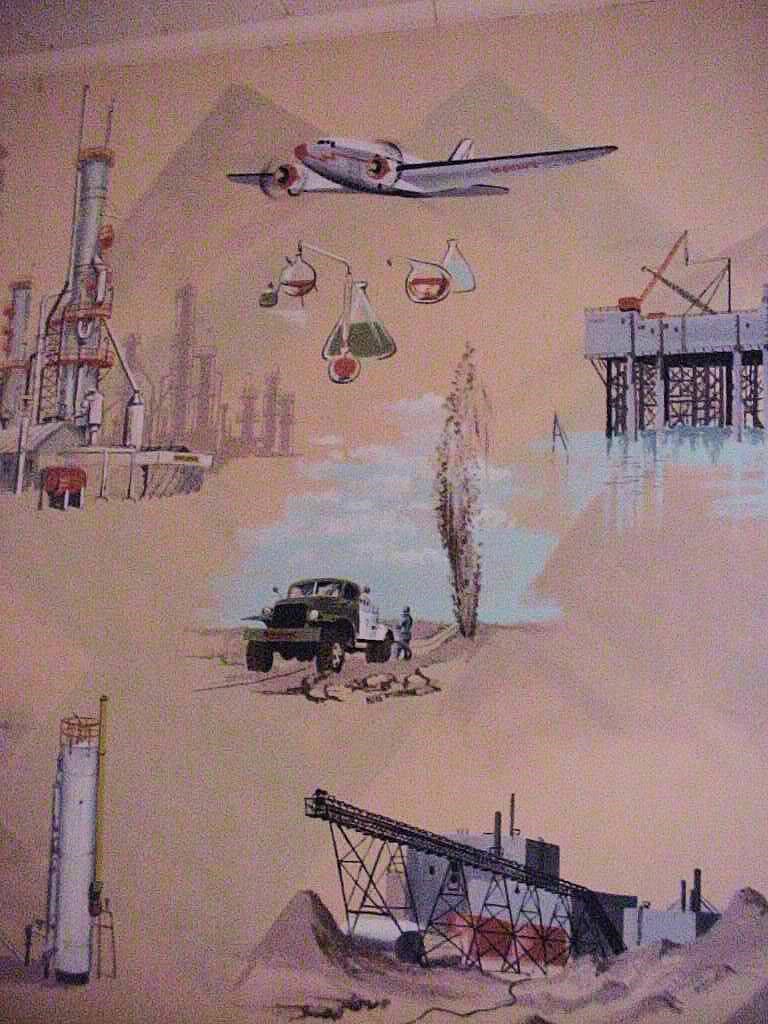
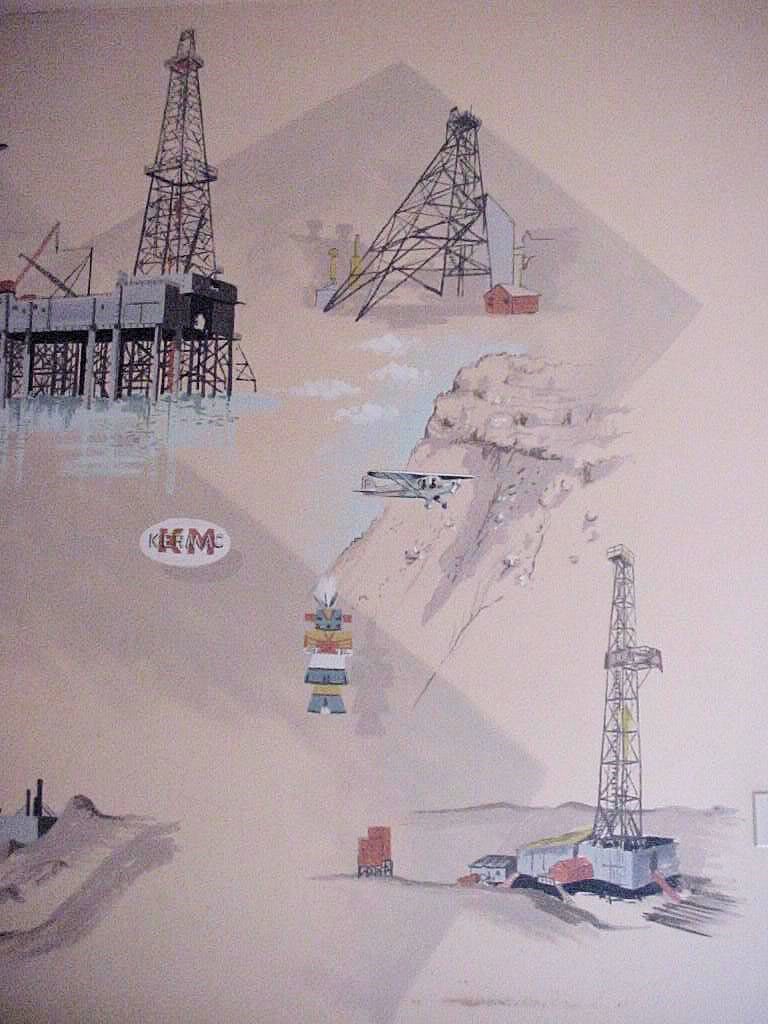
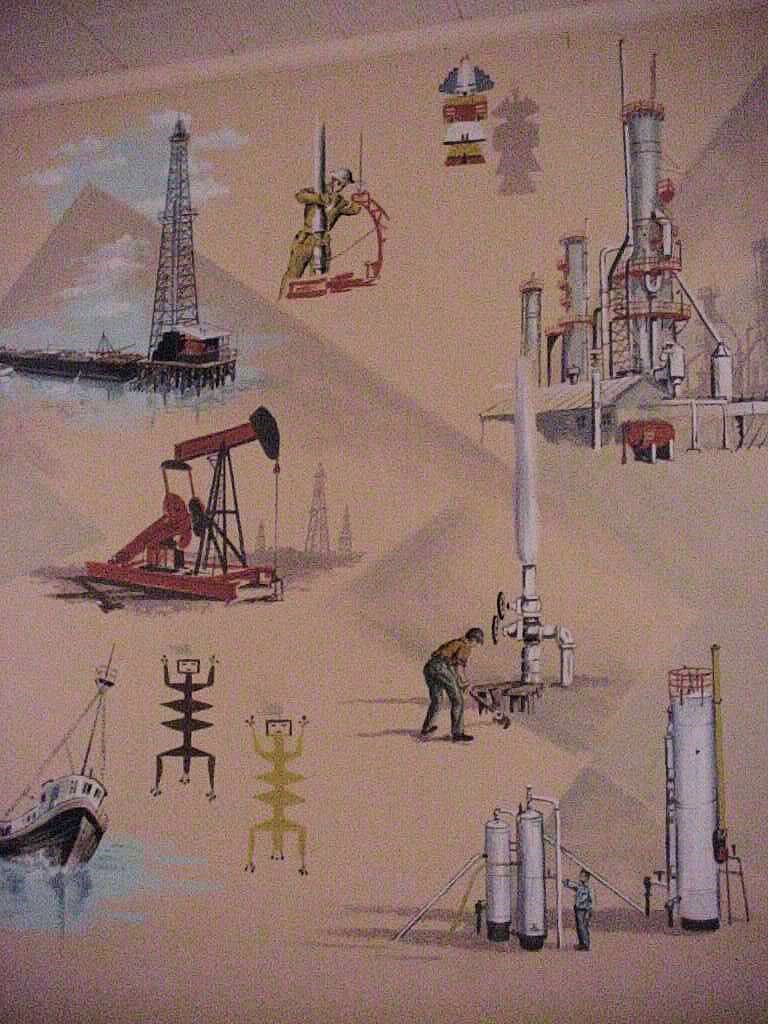
The following murals show images in the "KerMac" building (I'm not sure which part) which depict Kerr-McGee's oil and gas history. They may have been the result of the company's 1964 mural design competition, I don't know. Presumably, they are still "see-able" if one would be allowed permission by SandRidge to tour the various parts of the KerMac premises.
Some parts of the e-mail sender's messages incorrectly identified the "KerMac" building with the original or modified "Petroleum" building — but those photos are nonetheless helpful in portraying the city's history in this area ...
Late 1950s, before original Petroleum Building's Expansion
Petroleum Building Becomes Midland Center (now Dowell Center)
Original article posted on May 22, 2010; updated on May 24 to include audio files of the BOA meeting and to amend and complete the article
This article describes the appeal hearing before the Oklahoma City Board of Adjustment on Thursday, May 20, 2010, between 1:30 - 5:20 p.m. The contestants are Preservation Oklahoma, appealing from Oklahoma City's Downtown Design Review Committee's decision to permit SandRidge Energy Company to destroy 5-6 buildings, 5 of which are considered historic by some (and some more than others), to make way for its planned SandRidge Commons development. SandRidge defends that decision in this hearing.
If SandRidge was either expecting or hoping for a hearing that would go as smoothly as did the DDRC hearing at which it won a hands-down victory (and notwithstanding Anthony McDermid's "Blood on our hands" remark), it didn't happen. This board had serious questions, only some of which were discussed during the meeting. The mere facts that the appeal did not get out-of-hand denied (but was instead continued for further deliberation) and that most if not all board members had lots of serious questions and concerns, and, further, gave no sign of being influenced by the who's-who that SandRidge had lined in support of its position, Preservation Oklahoma must certainly be seen as the winner of this round — even though the ultimate outcome is far from decided. But, on this day, Preservation Oklahoma more than adequately held its own against SandRidge Energy.
The sound files from the hearing, as well as photos and personal observations, appear below. SOUND FILES. My attempt to download the video file of this hearing failed as to the video but succeeded as to the sound files. Although the sound files are audible and understandable, the quality is poor — but at least you can hear what was said by all involved. I have broken that part of the BOA's May 20 meeting into four consecutive parts, cutting out the parts of the meeting that don't pertain to the hearing. Beyond the synopsis information below, additional observations and comments, as well as some photos, are set forth following the audio files.
Part 1 — 59 minutes, 15 seconds Preliminary Matters
Synopsis. Includes recusal by board member Jeff Austin; statement by board member David Wanzer that his wife is an attorney with McAfee & Taft but that she has not worked on appeal and that her relationship with McAfee & Taft will have no impact on his ability to to hear the appeal objectively and render an unbiased decision; other preliminary matters; replay of the April 8, 2010, Downtown Design Review Committee video.
Part 2 — 44 minutes, 53 seconds The Appellant's Presentation
Synopsis. Includes presentations by Suzette Hatfield, Preserva- tion Oklahoma board member; Katie Friddle, Executive Director, Preservation Oklahoma; and Barrett Williamson, Norman architect.
Part 3 — 46 minutes, 40 seconds The Applicant's Presentation
Synopsis. Includes presentations by Marsha Wooden, Vice President of Administration, SandRidge Energy; Frank Hill, attorney for SandRidge; Rob Rogers, lead architect, Rogers Marvel, New York City.
Part 4 — 50 minutes, 34 seconds Floor Speakers, Discussion, and Continuance
Synopsis. Includes individual presentations by Jonathan Poston and Nick Roberts on behalf of the appellant and by Mark Beffort and Carrie Watson on behalf of the applicant.
All speakers concluding (at around 21:25 above), considerable discussion occurred about the absence of structural engineering studies, and, later, if any need existed for the same, and whether or not a historic assessment study would occur to be paid for by the Historic Trust (as it offered to do). Lots of confusion. The short story is that the parties agreed to continue the hearing without condition until June 17 at which time all issues remain up for grabs, so to speak. For much more about this, see Who's On First, below.
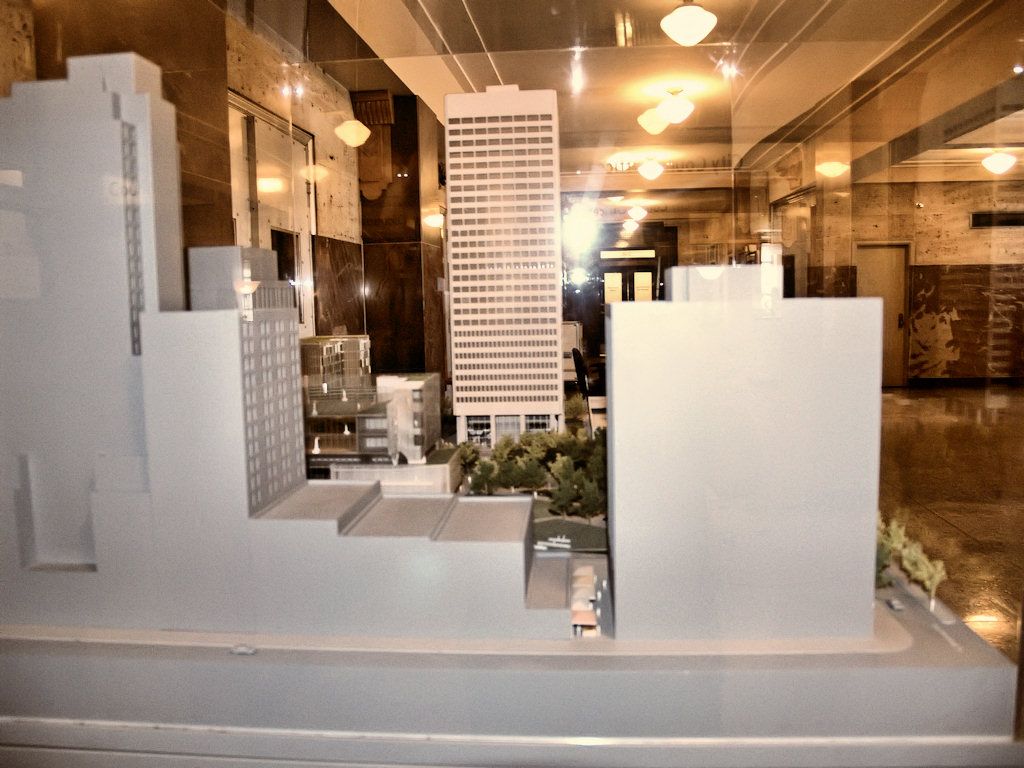
EXPERIENCES & OBSERVATIONS. Thinking I might need to get there early to get a good seat, I arrived at about 1:00 p.m. after taking in a great lunch (Spaghetti Marinara at the Steak & Catfish & Italian Kitchen restaurant at 305 N. Walker). When I arrived and to my surprise, only 3 or so others were milling around in anticipation of the meeting and the City Council chambers were dark — I wondered if I was in the right place or at the wrong time. Seeing the SandRidge Commons model (below) and a Board of Adjustment agenda outside the City Council chambers, I figured that I was just early.
More people starting showing up outside City Council chambers and I said hello to a few that I knew — including Frank Hill. Frank is a very fine and prominent lawyer, one of the most respected in the city. He is a partner in McAfee & Taft and we've been acquainted since he was the leader in my son's cub scout program lo so many years ago. My son is now 41 years old if that gives the picture. I was surprised when I "reintroduced" myself saying, "You may not remember me but I'm ..." and it pleased me that he did. It was also a pleasant surprise me when he said, paraphrased, "You've been blogging about this matter, haven't you?" "Yes, I have," I replied, probably with a grin on my face. Although I didn't know it at the time, Frank was the lead presenter for the SandRidge position at the meeting which would shortly begin.
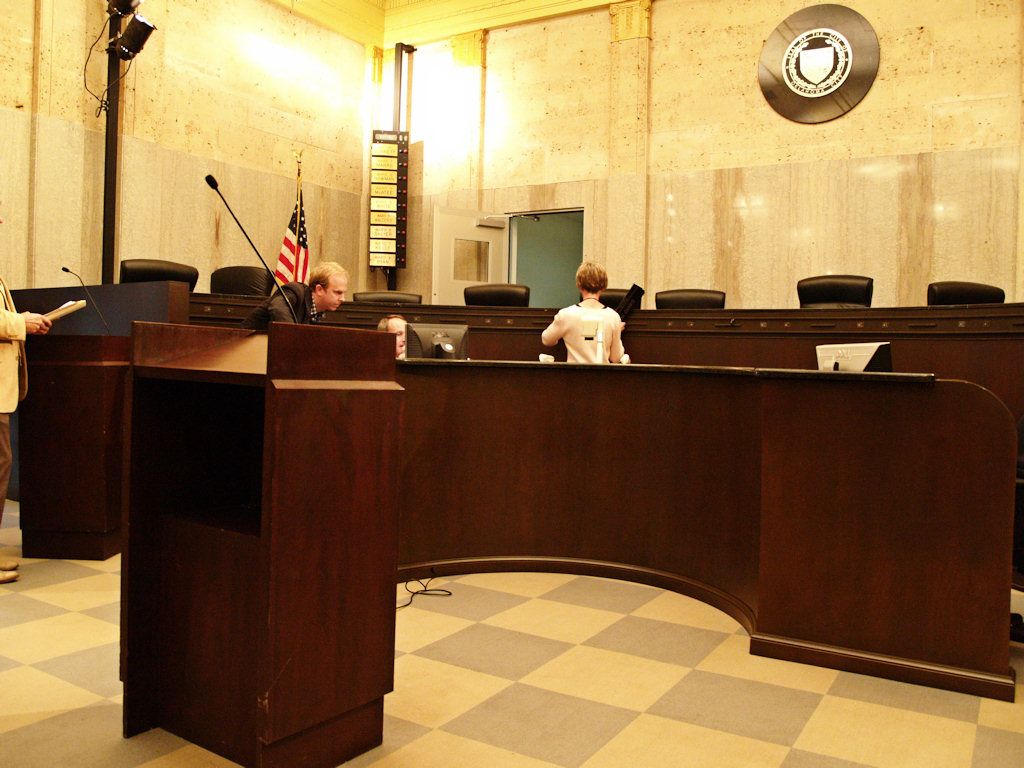
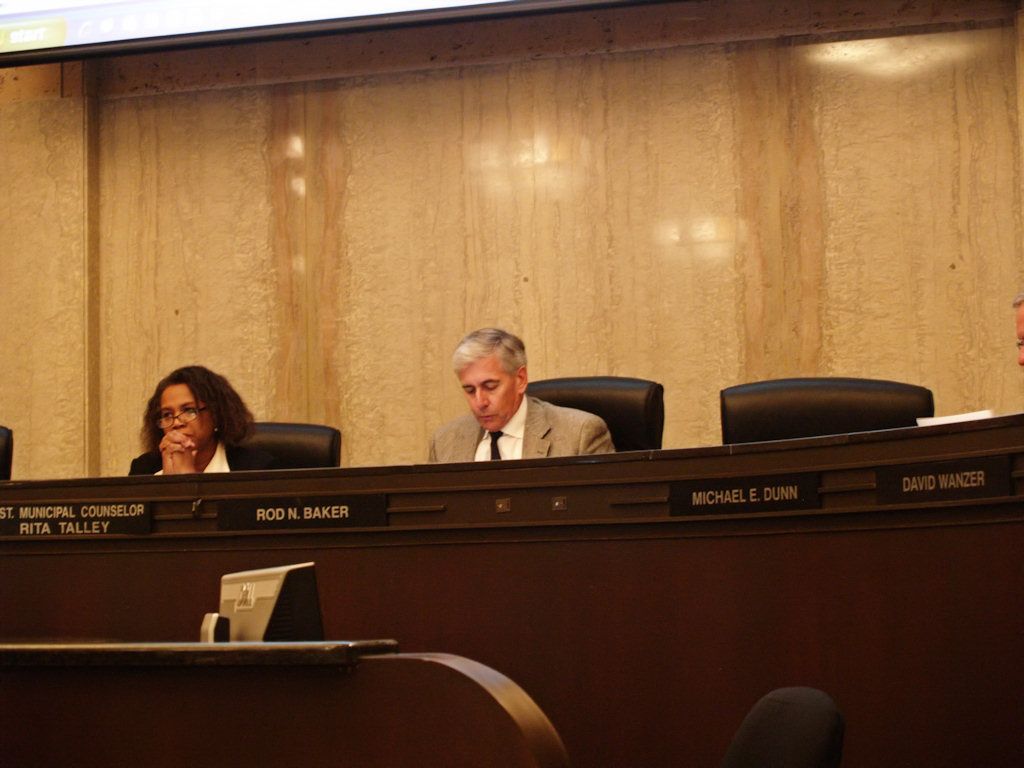
Eventually, the lights inside City Council chambers were turned on and I took a seat on the right side, front bench/pew. A person (City Clerk, I think) started putting name plates for BOA members and eventually BOA Chair Rod N. Baker called the meeting to order at around 1:35 or so.
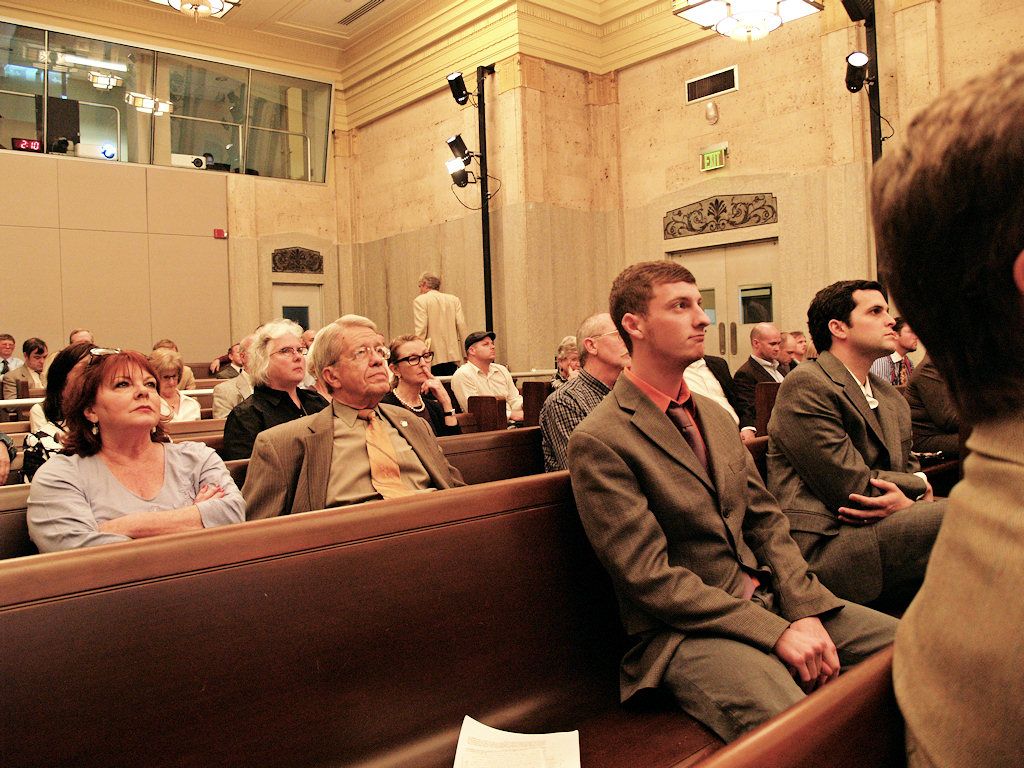
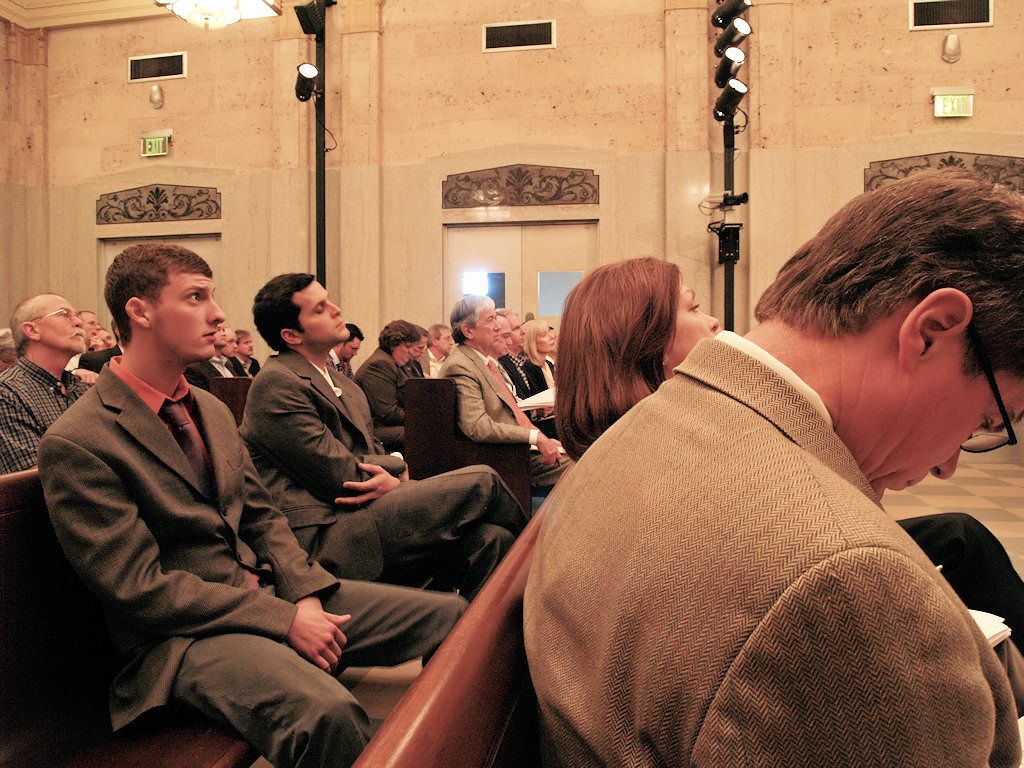
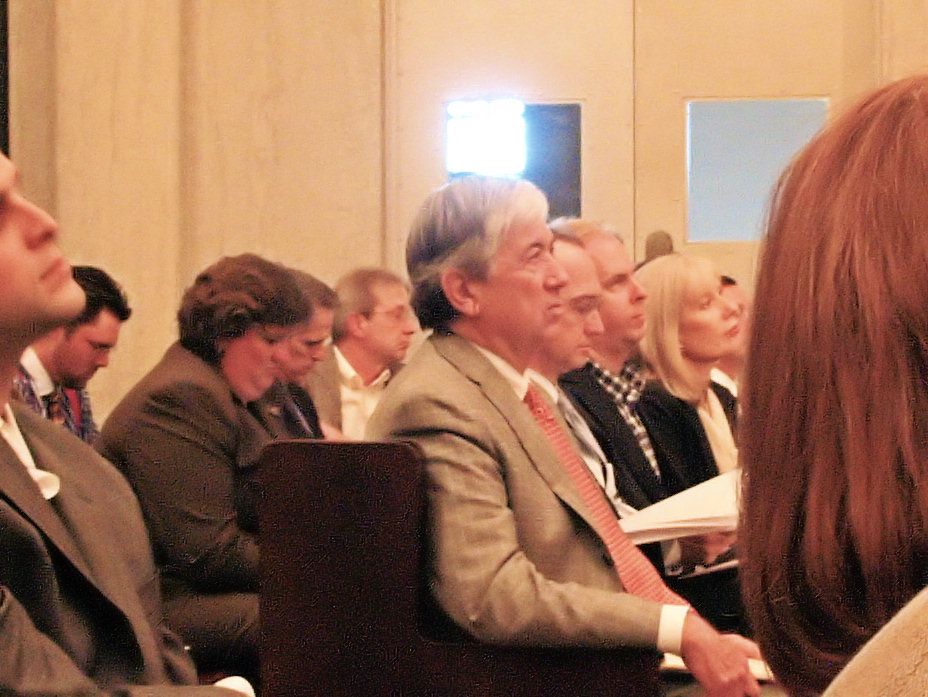
As people took their seats and the area became fairly full of people, it became evident that most, not all, people were sitting on either the left or right column of pews depending upon whether they favored or disfavored Preservation Oklahoma's appeal. Generally, those seated in the west column were pro-SandRidge and those seated in east set of pews were pro-Preservation Oklahoma.
East Side
East Side
West Side Frank Hill on the isle, then Bob Rogers, NYC Architect
When posting this article initially, I said, "I didn't take many notes during the meeting so some of what I'm saying below may be not exactly correct — but I'm trying to be as faithful to accuracy as I can." Now, having listened very closely to the audio transcription of the meeting (above), I have much greater confidence in my reporting and have made a few amendments and corrections.
When the appeal came up on BOA's agenda, the first thing that happened was that BOA member Jeff Austin recused (withdrew from participation) without giving an explanation. Ordinarily, in ordinary court proceedings, a judge will recuse for reasons such as an actual or potential conflict of interest, personal and/or business familiarly with one or both of the litigants or some other cause that might give rise to impropriety or the appearance of impropriety. Whatever the reason, that reduced the number of sitting BOA members to 4, a majority of 3 being required for decision. BOA member David Wanzer announced that his wife was an attorney with McAfee & Taft, the firm representing SandRidge, but he said that she had not worked on this matter and that her relationship with the law firm would not affect his objectivity and that he was able to and would render an unbiased decision in the matter.
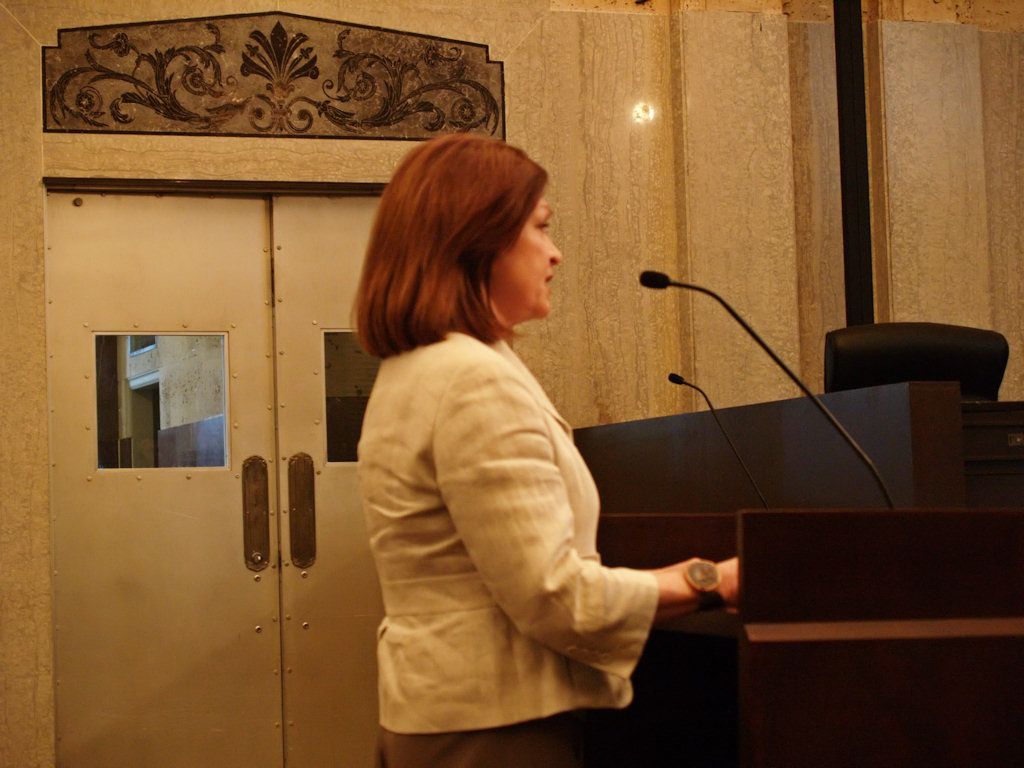
Finally, after dealing with other agenda items, the appeal proceedings began, probably around 2:00 - 2:10. As the appealing party, Preservation Oklahoma led off. Three spoke in behalf of the appeal — Suzette Hatfield, board member of Preservation Oklahoma; Katie Friddle, its executive director; and Barrett Williamson, a Norman architect who formerly lived in Oklahoma City.
Suzette Hatfield
Katie Friddle
Barrett Williamson
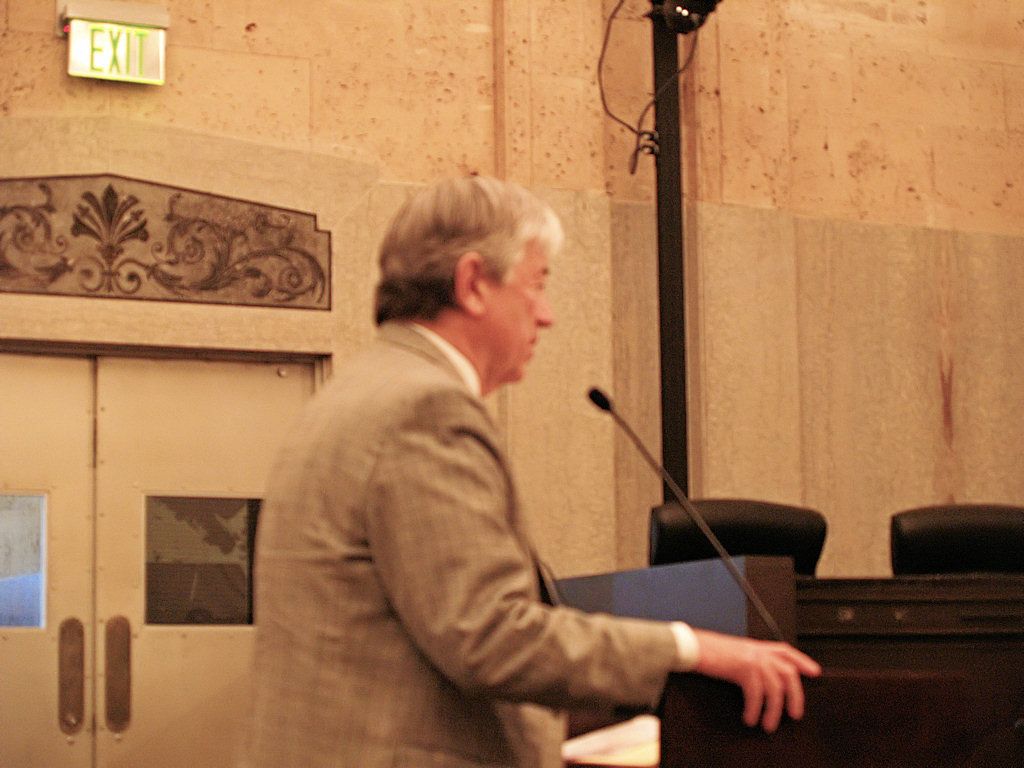
That done, SandRidge then presented its case. Although there were also three speakers, only two presented substantive discussion, Frank Hill and Bob Rogers. The third, Marsha Wooden, SandRidge's Vice President of Administration, merely served to introduce Frank Hill and a few others who did not speak during the meeting.
Frank Hill
Bob Rogers
With those primary presentations being made, and as 5:00 p.m. was drawing nigh, others had signed up to talk and Chair Rod Baker cautioned them that they should keep their remarks brief since 5:00 p.m. was fast approaching. Actually, one board member, Jim Allen, announced that he had to leave at 5:00 so if the session continued much beyond that then he'd not be there to vote at all. This information was assimilated and acted upon by all but one of those who remained to speak.
I didn't get pictures of the pair that spoke in favor of SandRidge's position — one was Mark Beffort, the lead partner for the same group that owns Leadership Square, Oklahoma Tower and Corporate Tower. As noted in a comment following this article, he objected to the notion that someone could force a building onto the national register without the owner's consent (even though the appellant did not take that position). Too, he expressed his view that the properties involved did not lend themselves to office use. Overall, his tone struck me as rather defensive. The other speaker was Carrie Watson with the Oklahoma City National Memorial & Museum. Her comments were rather general, I thought, but you can judge for yourself.
A pair of speakers rounded out the position of those favoring Preservation Oklahoma's position: Jonathan H. Poston, Director of the Southwest office of the National Trust for Historic Preservation, and Nick Roberts, blogger at Downtown On The Range.
Jonathan Poston
Nick Roberts
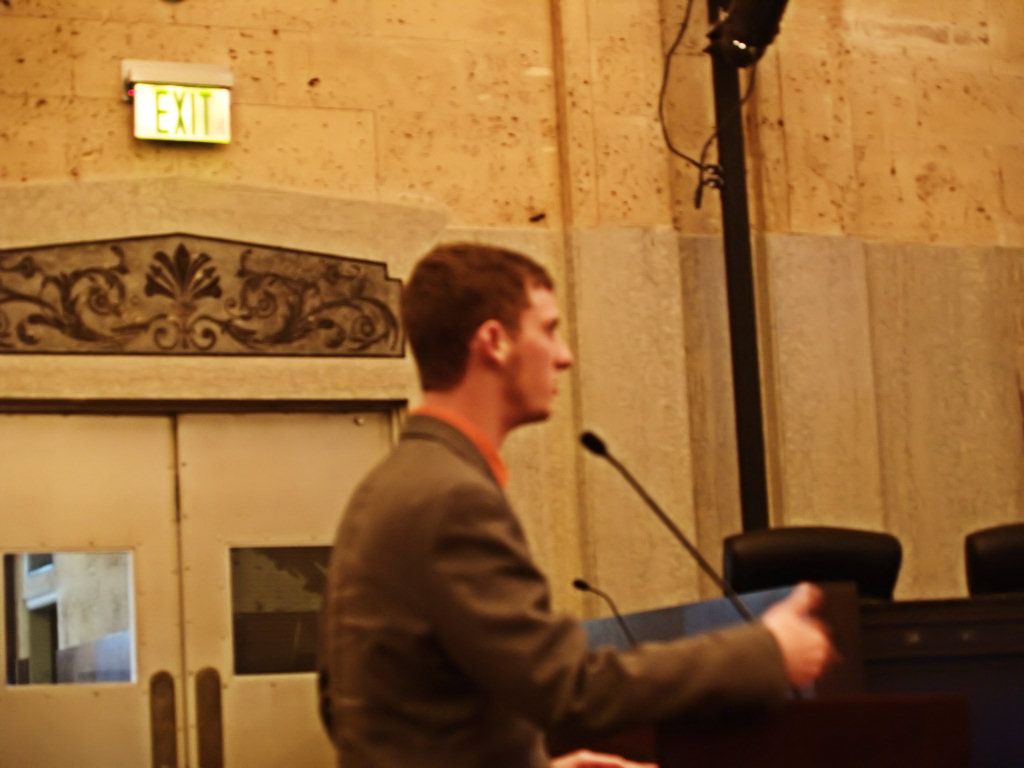
Poston's presentation was succinct, to the point, and delivered powerful support to the appellant's position. Of all presentations made during the meeting, I rank his as scoring the most points and being of the highest caliber in terms of content and presentation. On behalf of the National Trust for Historic Preservation, he offered to pay for a historic study of one or more of the buildings involved (the number was not clear to me) and left the door open to pay for structural stability studies, as well.
Nick's presentation, while fine, ignored two or three interruptions by Chair Rod Baker that it might be a good time to stop. When writing this article initially, I incorrectly said that "Nick offered a compromise that would willingly throw the India Temple building under the bus in favor of placing SandRidge's proposed new building on that same location." In saying that, I was mistaken — what he actually said was that the building that SandRidge proposes to build could be built east of its proposed location and the the India Temple building could be preserved, as well. But ... when the Chair says it's time to stop, even if courteously made (as it was), an effective speaker will learn to take the cue and zip it. In the courtroom, I can assure you that a judge would be much less courteous if the suggestion were not taken.
After all presentations and sign-up speakers were done, that's kind of where the fun began ... coming up next.
WHO'S ON FIRST, or WHAT THE HECK HAPPENED, or WHAT IN THE WORLD WILL HAPPEN NEXT? It's hard picking a subtitle for this section. I've listened to the complete hearing 4 times now, and, more particularly, that part of Part 4, above, the BOA's discussion following all speakers about 7-8 times. That said, I'm still not clear about what happened or what the rules of this proceeding were-or-are as they relate to the appeal. I will be completely amazed if many, if not all, don't suffer some degree of a Tom Hank's "brain cloud" condition when trying to identify precisely what those rules were or are and/or their absence or lack of clarity thereof. Only when city planner Susan Miller spoke toward the end of the long afternoon was some degree of clarity and focus achieved, and, even then, reasonable minds can and probably will differ as to the amount thereof. Read on and see what I mean ...
Staff Report. The Board of Adjustment Staff Report for this meeting states that,
The Committee recommended approval of the application based on: • the intent of the Downtown Design District Ordinance; • the buildings are structurally unsafe; • the structures are functionally and aesthetically obsolete, and; • retention and restoration would not be a viable option.
Structural Engineering and/or Historical Assessment Studies. Possibly based on that statement of reasons, three or four of the four committee members expressed concern that the record did not include any structural engineering studies that the board could consider — and SandRidge acknowledged that it didn't have any such studies. The point was first raised by board member Jim Allen before the individual speakers made their remarks, but, after they were completed, member Jim Allen moved that the meeting be continued (initially he said "for at least 30 days"):
Jim Allen: I've heard both sides. I've gone over this thing with a fine tooth comb. Personally, there's some questions that I don't feel like we've got answered. Those questions, as far as I'm concerned, will have to be answered before I can vote yes or no. Because I'm a little confused on the structural integrity of these properties. I want to see, or I would like to see, engineering reports ... and that should not take very long to obtain those kind of reports ... and I would make a motion if it's acceptable to continue this at least 30 days so that can be accomplished. And I would make that a motion. Either Michael Dunn or David Wanzer (the oral transcript is not clear as to which one but presumably the meeting's minutes will do that): I would second it. Rod Baker: I have similar concerns also about the various things we're looking at here and whether there's continuity ... [audio not clear here] David Wanzer: I have several pages of just general questions, thoughts and concerns ...
Following that, an interesting discussion about who would do the study and who would pay for it and which buildings occurred ... and in which discussion a historical assessment came up ... and things got fairly blurred, especially if SandRidge would not agree to a historical assessment study. Listen and judge for yourself.
While all of the above was being discussed, Jim Allen also thought to ask,
Jim Allen: One question that I didn't ask [a] while ago ... and I really don't want to get into discussion of all of this ... how long have these buildings been sitting vacant? Katie Friddle: Uh ... Frank Hill (overtalking): At least a quarter century ... Jim Allen: O.K. Why hasn't something been done from your organization ... Barrett Williamson (overtalking): The India Temple was occupied in 2007 ... Jim Allen: I'm sorry? Rod Baker: We're going to have one person speaking at a time here ... Barrett Williamson: The India Temple was occupied as late as 2007 by some attorneys doing some work, uh, we've just recently found out ...
Note: about this point, see this OkcCentral item wherein one of those lawyers identifies himself and gives greater detail.
Hey, this thing just just gets funner and funner.
Eventually, assistant city planner Susan Miller joined the discussion on yet a different point:
I just kinda want to bring it back to the ordinance and, you know, we have all this discussion going on here between the structural assessment or the historical assessment. The ordinance does not speak at all as to structural integrity. I know that the committee did make the decision and that was a factor. I kinda wanted to clarify that. The ordinance does speak to retaining historic resources. Uh, you know, the committee really didn't get into that debate, about if it did retain its historic integrity or not. You know, these two things are really going back and forth and I just wanted to clarify ... the ordinance does not speak to structural integrity of properties as a factor for demolition at all.
Consequently, was all the preceding discussion about structural engineering studies irrelevant, and was all the discussion about historic value of much greater importance? Those are two very good questions.
In any event, Jim Allen wound up withdrawing his motion which required structural engineering studies, as did its second, and before it was all done the matter was continued by agreement of both parties to June 17 "without condition" ... which I take to mean that any and all issues remain on the table for further consideration at that time.
With this, I'll close and leave this thought wondered by Lou Costello so many decades ago ... WHO'S ON FIRST? On June 17, perhaps that will become known, but right now, I haven't got a clue.
As two possibilities,
Since structural integrity is NOT mentioned in the ordinance (Oklahoma City Code §59-7200) but the Downtown Design Review Committee's decision relied heavily on that factor, does that mean that the DDRC decision should be reversed since it obviously relied heavily upon that factor?
Since retaining historic resources IS mentioned in the ordinance but, as Susan Miller put it, "the committee really didn't get into that debate, about if it did retain its historic integrity or not," does that mean that the DDRC decision should be reversed since the committee failed to due weight to that factor, per the ordinance, in reaching its decision?
... not to mention the pages of questions that member David Wanzer has in his notes that he's not even identified on the record, as yet.
Have a nice day as we collectively try to figure this fine mess out.
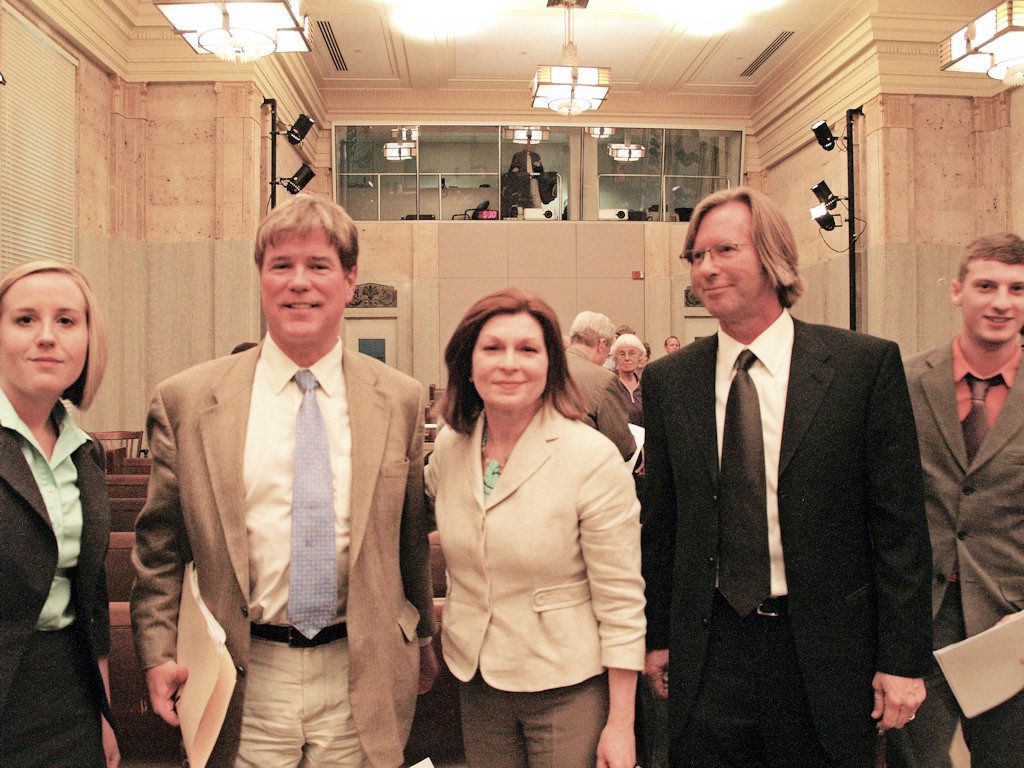
A funny thing happened on the way to the National Main Streets Conference hosted by Oklahoma City on May 2-5, 2010, at the Cox Convention Center. The Main Street program is part of the operations of the National Trust For Historic Preservation with its national offices in Washington, D.C.
But this article isn't about that conference — but it did present an occasion that Jonathan H. Poston, Director of the Southwest office of the National Trust for Historic Preservation to be in town. And, as it happens, Preservation Oklahoma, the appealing party in the SandRidge Commons venture, is a Statewide Partner with the NTFHP.
Katie McLaughlin Friddle, Executive Director of Preservation Oklahoma, advises me that on May 5, 2010, representatives of both SandRidge and those taking issue with its proposal met in the SandRidge Tower for about an hour, and this article reports on that meeting and the position taken by Mr. Poston in its aftermath, and, with that, a new player has entered the scene. Ms. Friddle said that, in addition to Poston, the following local people were present at the meeting on behalf of the appealing party: Katie Friddle, Executive Director of Preservation Oklahoma; Barrett Williamson, architect; Marva Ellard, President of the Criterion Group and owner & developer of the Sieber Hotel apartments; and Suzette Hatfield, Preservation Oklahoma Board Member. Those representing SandRidge were Frank Harold, attorney; another attorney whose name I did not get; Bob Rogers of Rogers Marvel, the architectural firm that designed SandRidge's project, and another local architect.
Friddle reported that the hour-long meeting was altogether cordial and that her group was presented much the same information that was presented to the Downtown Design Review Committee. She also indicated that nothing said during the meeting by the protestants indicated a willingness that changes be made to the plan but that they would be "passed up" and be given due consideration.
The guests inquired if they might be allowed to conduct some on-sight tour of the affected buildings, but the request was declined by SandRidge, citing safety concerns. No further meetings are presently planned, according to Friddle.
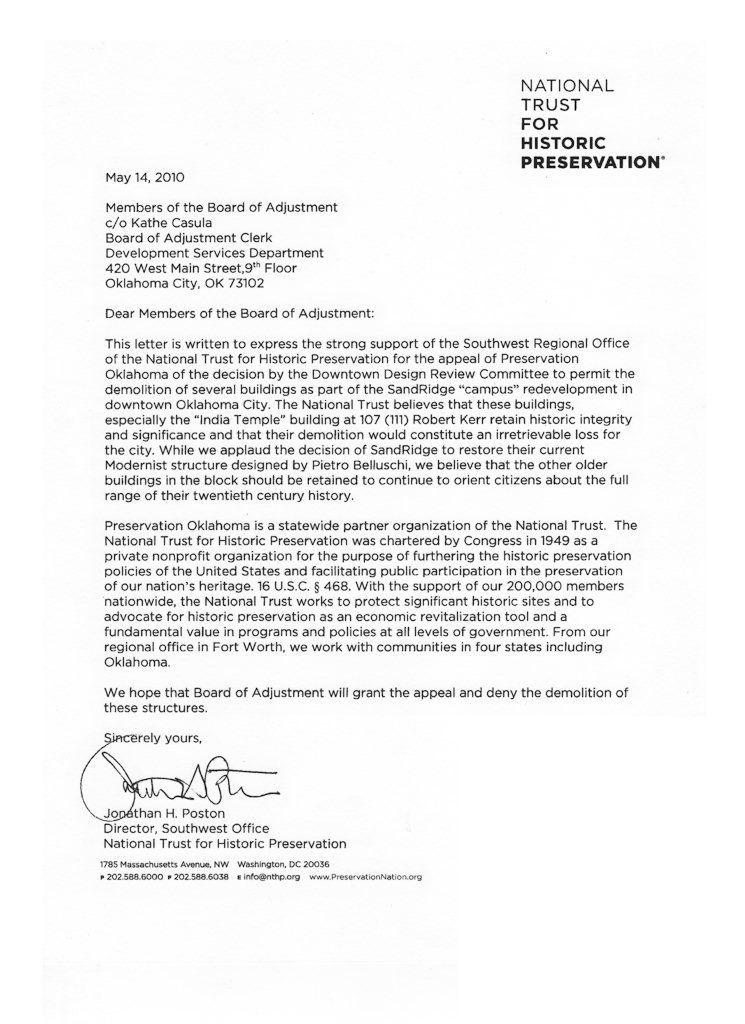
On May 14, 2010, Poston wrote a pair of letters in his capacity as Director of the Southwest office of the NTFHP. Both are shown below and you can click on either for larger views.
A thank you letter to Marsha Wooden, SandRidge
A letter to the Board of Adjustment, via its Clerk
Pretty strong stuff ...
The National Trust believes that these buildings, especially the "India Temple" building at 107 (111) Robert Kerr retain historic integrity and significance and that their demolition would constitute an irretrievable loss for the city. * * * We hope that Board of Adjustment will grant the appeal and deny the demolition of these structures.
Will the strong position of nationally well respected NTFHP be enough to carry the day for Preservation Oklahoma? Ms. Friddle informed me that Mr. Poston plans to be present at tomorrow's 1:30 p.m. open hearing in City Council chambers. At the least, high drama should be expected to unfold tomorrow . . . we shall see.
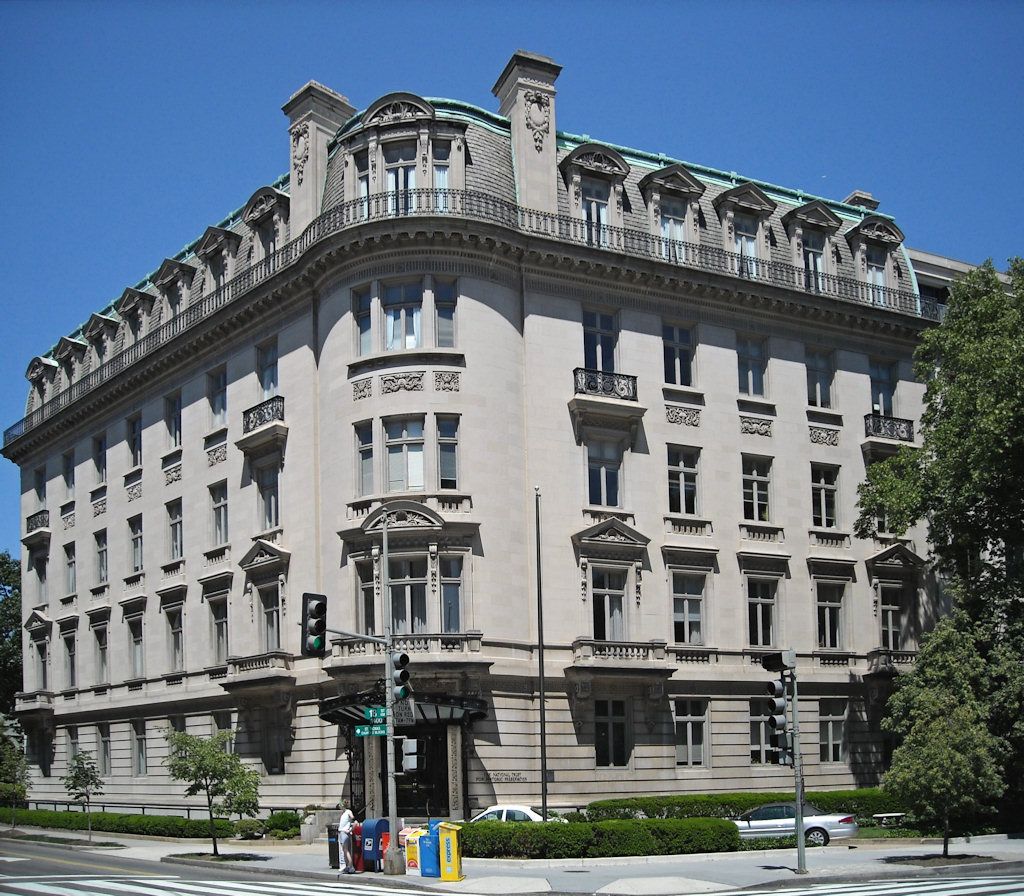
Off topic but a nonetheless interesting historical tidbit: The building shown at right is the national headquarters of the National Trust For Historic Preservation. Originally, that property was the McCormick Apartments where Perle Mesta lived and hosted many of her famous parties in Washington, D.C. So, I guess that it's fair to say that the group has a rather special Oklahoma City connection, just as Perle does. See Perle Mesta - Hostess With The Mostes for more.
Some, on both sides of the SandRidge Commons proposal, advocate an all or nothing position. But ... WHAT IF it doesn't have to be one way or the other? What about Door #3 which might satisfy both (1) SandRidge's legitimate wishes to improve its campus, and (2) the "other side" which basically consists of (a) historical preservationists and (b) those wanting to preserve either or both of the Robinson and/or Broadway "urban wall"?
Is there another way — a Door #3?
The public hearing before the Board of Adjustment comes up less than 48 hours after this article is initially written. As has been previously noted, the Board of Adjustment has several options — as do the adversaries, SandRidge Energy and Preservation Oklahoma.
One option, and one which requires the open minds of both contestants as well as the Board of Adjustment, is compromise. This article explores one such possibility.
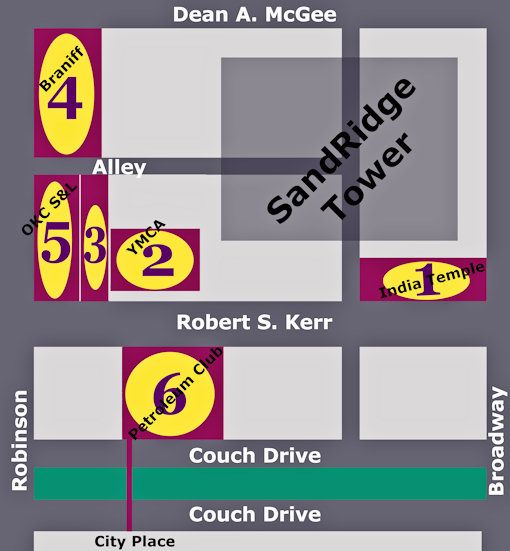
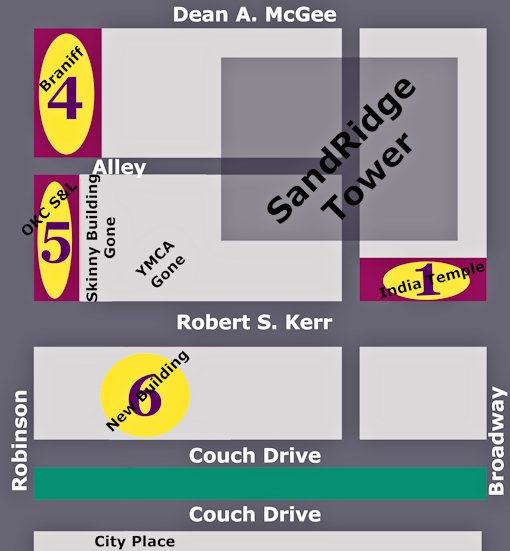
In the maps below, buildings are numbered based upon their chronological seniority, the oldest being #1, the newest #6 (except that one could say that #3, the 11-story skinny building should be #5 or #6 since that building was constructed in 1957 -- I've used #3 since a small 2-story building was built on that space much earlier, the city's 2nd Culbertson building built in the early 1920s. At the left below, SandRidge wants to demolish all buildings except for the Braniff Building, #4; the appeal advocates preservation of each and all of those buildings. At the right, below, another possibility is presented — the Oklahoma City Savings & Loan (#5) and the India Temple (#1) would be preserved, but the 2 buildings immediately east of Oklahoma City Savings & Loan (#3 & #2) — the "skinny" building and the YMCA — and the Petroleum Club building (#6) would be permitted to be destroyed in exchange for SandRidge's promise to construct the new building on that same property that its plan proposes to build on the Petroleum Club building property. Click the images for larger views.
On the west side of SandRidge's proposal, except for an open expanse fronting Robinson, SandRidge winds up with a huge amount of "clear" space to develop the gardens and public use areas that it proposes, as well as the new building which would take the place of the Petroleum Club building immediately south of its main campus. Opponents wind up getting to preserve the "urban wall" elements they want along Robinson and Broadway as well as the most historically significant building of all those which are involved, the India Temple.
Beyond that, SandRidge potentially gains an overwhelming amount of public support, including its opponents; "urbanists" keep their "urban walls;" and historical preservationists keep the main elements of their quest for preserving vintage Oklahoma City.
Is this a fair compromise?
Extreme positions on either side may say, "No — we want all or nothing." Let's have a look at both of those positions.
SANDRIDGE PERSPECTIVE. SandRidge maintains that it wants to create a magnificent public area development which highlights its campus east and west between Robinson and Broadway and north and south from Couch Drive to Robert S. Kerr. It maintains that this development would be great for the city, as well as to SandRidge, and its architectural drawings are, quite clearly, very impressive. Implicitly, its position inheres in the notion that what the proposal presents its position that there is much more to be gained by the city than what the city would stand to lose.
OPPONENTS PERSPECTIVE. Opponents are not all of the same mind ... some are what I'll call "urbanists" and others are what I'll call "historical preservationists." For purposes of the appeal to the Board of Adjustment, all opponents can be fairly dumped into the same bucket. In the appeal, opponents want to preserve everything that SandRidge wants to destroy, for various reasons. Some opponents are concerned about the "urban walls" which would be destroyed along Broadway, but most particularly along Robinson. Many of them are not pleased about the suburban developments which, for example, have been allowed along Walker, a suburban garden-apartment development between Kerr and McGee. Other opponents are equally or more concerned about the destruction of Oklahoma City's history during a time that the 400+ destruction of downtown buildings during the city's Urban Renewal period which is not out of sight or or out of mind. Opponents are united in their claim that they have a stake, and a share, in what and how SandRidge proposes to do with the property that it clearly owns.
WHO IS RIGHT? The answer to that question obviously involves subjective opinions. This article doesn't attempt to answer that question, except as to its fringe components, but instead looks to find a way to forging a common ground.
LOOKING AT THE PIECES. While opponents to the SandRidge Commons proposal will necessarily and reasonably differ since their respective "bottom lines" are not the same, here is my take about the pieces and why compromise is desirable and for the good of all concerned.
India Temple. In the above maps, India Temple is identified as building #1 — that's because it is the oldest of the buildings, and, in fact, is the oldest remaining building downtown and has a venerable history. I've not taken a poll, but my guess is that most "preservationists" would see this building as the highest item on their list of priorities.
Oklahoma City Savings & Loan. This is building #5 in the above maps. My guess is that historical preservationists would see the is the 2nd most item on their list of priorities. But "urbanists" would probably place it as #1 on the list of buildings which should be preserved since it fronts on Robinson and forms a part of what they call the "urban wall" along Robinson, and that Robinson urban wall is the focus of their approach.
The Skinny Building. The 1956-1956 11-story "skinny building" to the immediate east of the Oklahoma City Savings & Loan building isn't even "historic," at least as I would define that term. It was built in 1956-57 to fill the gap between the OKC S&L building on the west and the YMCA building on the east, the earlier 2-story building in that space having been destroyed in the process and which no longer exists. From a SandRidge perspective, this building impedes the corporate campus development. As a preservationist, which label I adopt, this one's not historically significant. If a compromise along the lines of what I'm suggesting develops, this building is expendable.
YMCA. The venerable 1918 YMCA building, totally remodeled by Kerr-McGee, is the 3rd-most hardest for me to let go of. But, from SandRidge's perspective, it is probably the most intrusive into the space that SandRidge wants to use for its SandRidge Commons proposal since it lies immediately southwest of the SandRidge Tower. From a preservationist's perspective, while it is a dear building, it is most probably beyond the point that it could be restored to its original configuration in any meaningful sense. Hence, for compromise purposes, it can be let go.
Petroleum Building. This 1957 building does present a unique architectural downtown building style and does contain a historic high-rise passage between that building and the present-day City Place, 14-15 stories up in the air. In SandRidge's proposal, the destruction of this building is unique — in this space, SandRidge actually proposes to build a new citizen-friendly building. In the spirit of compromise, I'm inclined to let SandRidge have its way, assuming that its promise for the new building is kept.
SPURIOUS ARGUMENTS. While a rational and sensible position can be reasonably argued by each of the adversaries, some arguments strike me as weaker and less legitimate than others.
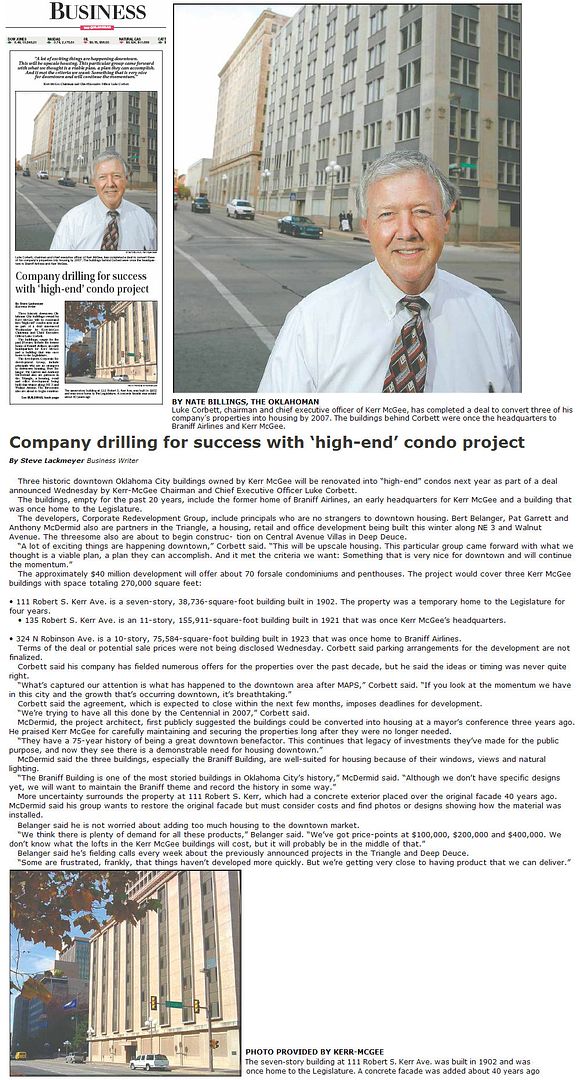
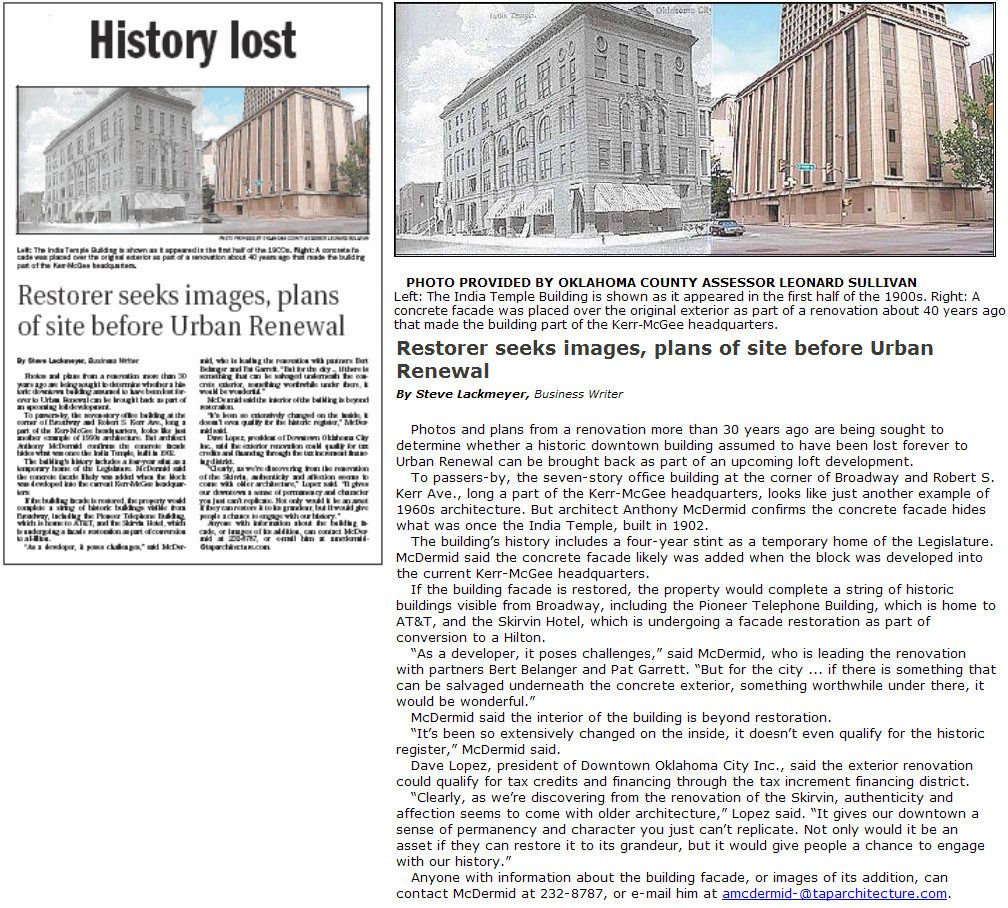
The buildings are junk and are eyesores. While that may be a matter of opinion, at least as late as 2005-2006 neither Kerr-McGee nor other local investors thought so. A pair of Oklahoman articles below reported on what Kerr-McGee then thought and comments made by what would have been investors to buildings #1 (India Temple), #4 (Braniff), and #5 (Oklahoma City Savings & Loan. Click the thumbnails to read the full articles.
November 10, 2005
Excerpts: "Three historic downtown Oklahoma City buildings owned by Kerr McGee will be renovated into “high-end” condos next year as part of a deal announced Wednesday by Kerr-McGee Chairman and Chief Executive Officer Luke Corbett. The buildings, empty for the past 20 years, include the former home of Braniff Airlines, an early headquarters for Kerr McGee and a building that was once home to the Legislature. The developers, Corporate Redevelop- ment Group, include principals who are no strangers to downtown housing. Bert Belanger, Pat Garrett and Anthony McDermid also are partners in the Triangle, a housing, retail and office development being built this winter along NE 3 and Walnut Avenue. *** 'A lot of exciting things are happening down- town,' Corbett said. 'This will be upscale housing. This particular group came forward with what we thought is a viable plan, a plan they can accomplish. And it met the criteria we want: Something that is very nice for downtown and will continue the momentum. *** Corbett said his company has fielded numerous offers for the properties over the past decade, but he said the ideas or timing was never quite right. ** * McDermid, the project architect, first publicly suggested the buildings could be converted into housing at a mayor’s conference three years ago. He praised Kerr McGee for carefully maintaining and securing the properties long after they were no longer needed. 'They have a 75-year history of being a great downtown benefactor. This continues that legacy of investments they’ve made for the public purpose, and now they see there is a demonstrable need for housing downtown.' *** More uncertainty surrounds the property at 111 Robert S. Kerr, which had a concrete exterior placed over the original facade 40 years ago. McDermid said his group wants to restore the original facade but must consider costs and find photos or designs showing how the material was installed."
March 10, 2006
Excerpts: "Photos and plans from a renovation more than 30 years ago are being sought to determine whether a historic downtown building assumed to have been lost forever to Urban Renewal can be brought back as part of an upcoming loft development. To passers-by, the seven-story office building at the corner of Broadway and Robert S. Kerr Ave., long a part of the Kerr-McGee headquarters, looks like just another example of 1960s architecture. But architect Anthony McDermid confirms the concrete facade hides what was once the India Temple, built in 1902. *** If the building facade is restored, the property would complete a string of historic buildings visible from Broadway, including the Pioneer Telephone Building, which is home to AT&T, and the Skirvin Hotel, which is undergoing a facade restoration as part of conversion to a Hilton. 'As a developer, it poses challenges,' said McDermid, who is leading the renovation with partners Bert Belanger and Pat Garrett. 'But for the city ... if there is something that can be salvaged underneath the concrete exterior, something worthwhile under there, it would be wonderful.' *** Dave Lopez, president of Downtown Oklahoma City Inc., said the exterior renovation could qualify for tax credits and financing through the tax increment financing district. 'Clearly, as we’re discovering from the renovation of the Skirvin, authenticity and affection seems to come with older architecture,' Lopez said. 'It gives our downtown a sense of permanency and character you just can’t replicate. Not only would it be an asset if they can restore it to its grandeur, but it would give people a chance to engage with our history.'"
After Kerr-McGee was acquired by Anadarko Petroleum, the new company backed out of the deal. Litigation followed by the potential investors but was not successful. It is not plausible or credible that in the space of 4 years' time since those articles were written by Steve Lackmeyer that the buildings would have suddenly turned into pieces of useless blight.
SandRidge Energy, as property owner, should be allowed to do what it wants. While that may seem a fair thing to say on first blush, no reasonably informed person can advocate that premise with a straight face. In a municipality, property owners always have layers of restrictions and conditions imposed upon them. In a residential area, ordinances concerning use and structures much be complied with. In historical preservation neighborhoods, restrictions and requirements go well beyond that. In the downtown situation, the Staff Report which disfavored most of SandRidge's proposal cited the following ordinance as the basis for its objection:
Except for the Petroleum Club building, the Staff Report concluded that SandRidge's proposal did not comply with the foregoing ordinance, as follows:
The point is, SandRidge does not have carte blanch authority to do what it wants with its downtown properties. Whether its proposal is in compliance with the cited section from the city's municipal code, above, is an issue which will be decided by the Board of Adjustment.
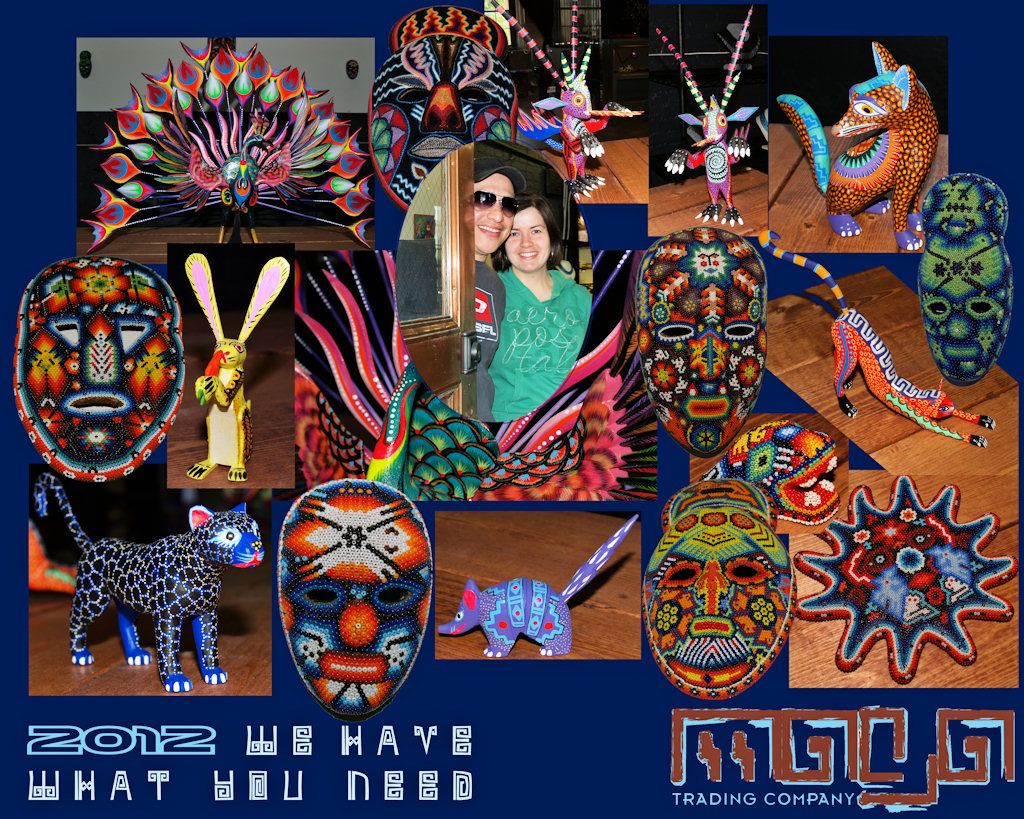
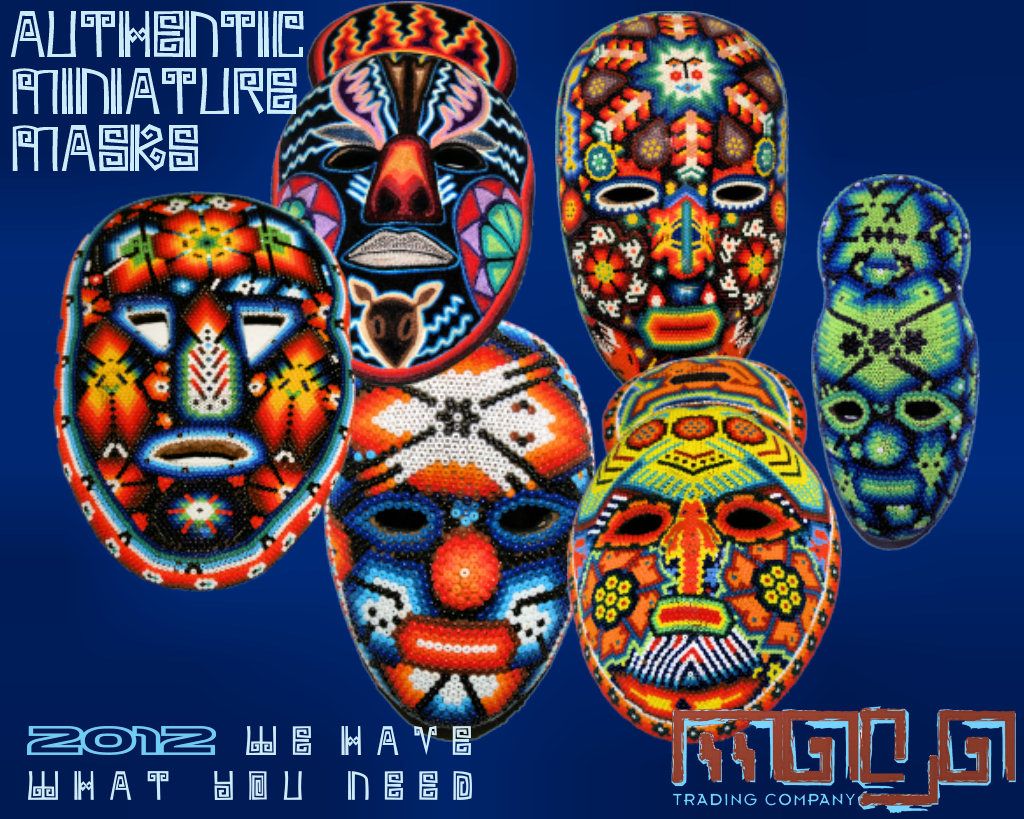
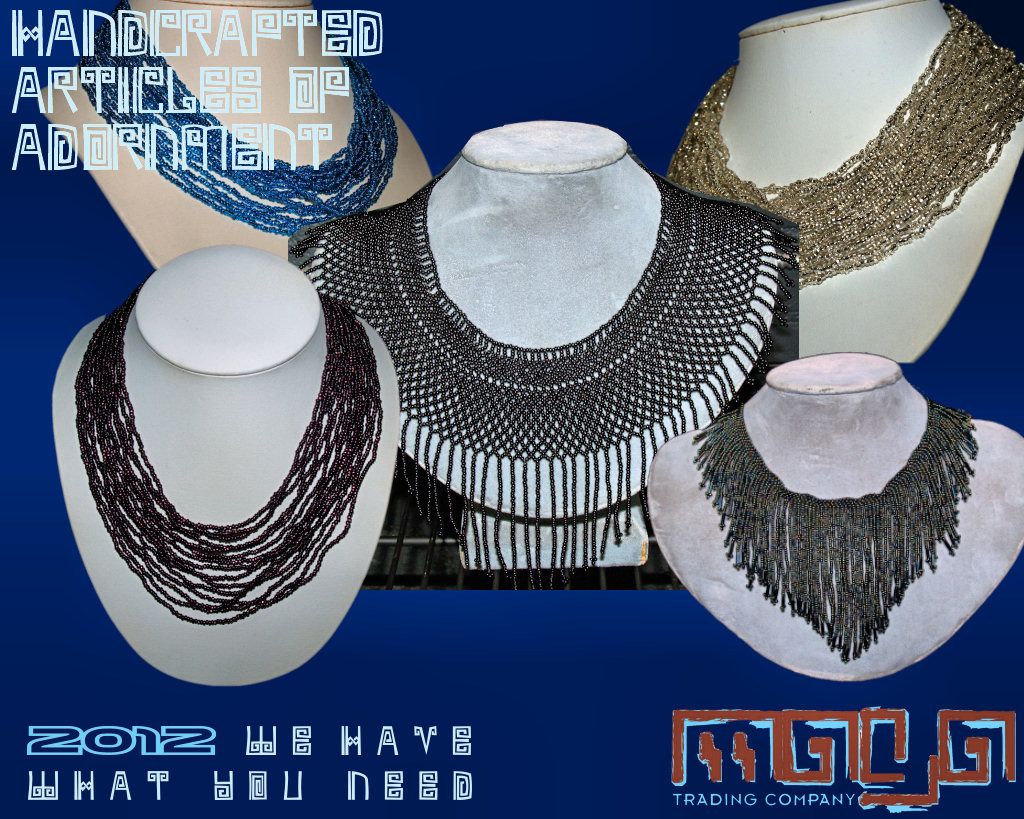
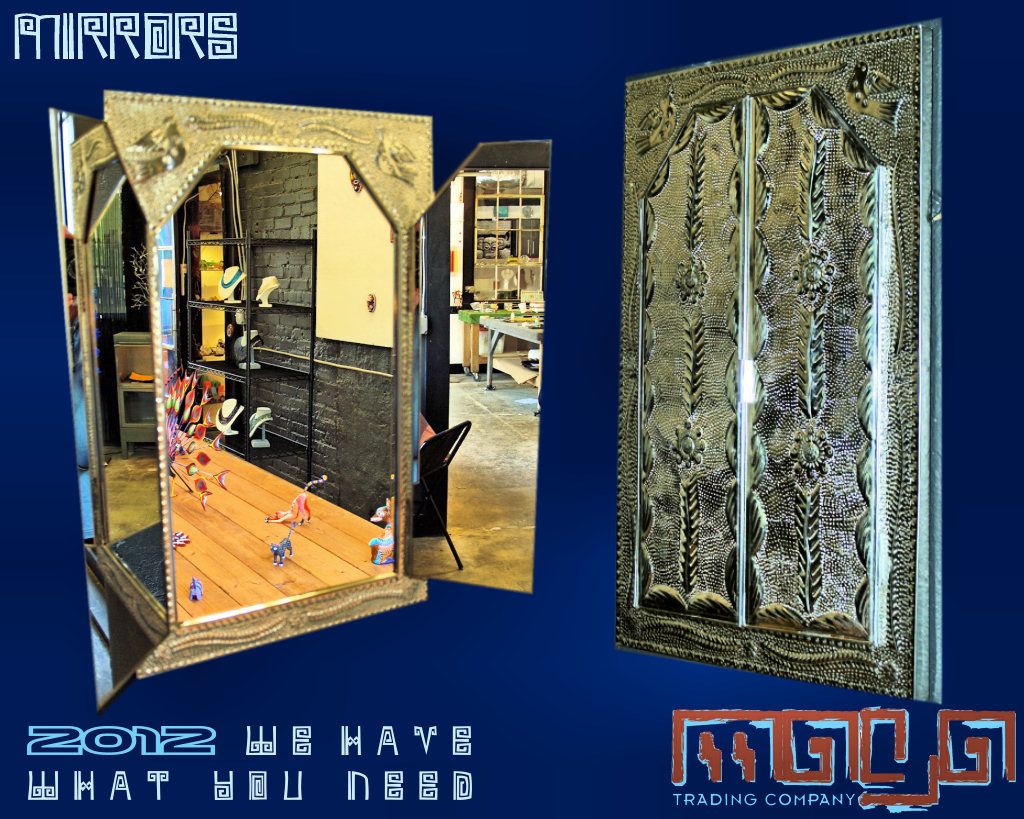
Poster designed by me. Maya Trading Company has not yet done any promotional ads which capitalize on the end-of-world predictions offered by the Mayan calendar (some say). That's just me talking.
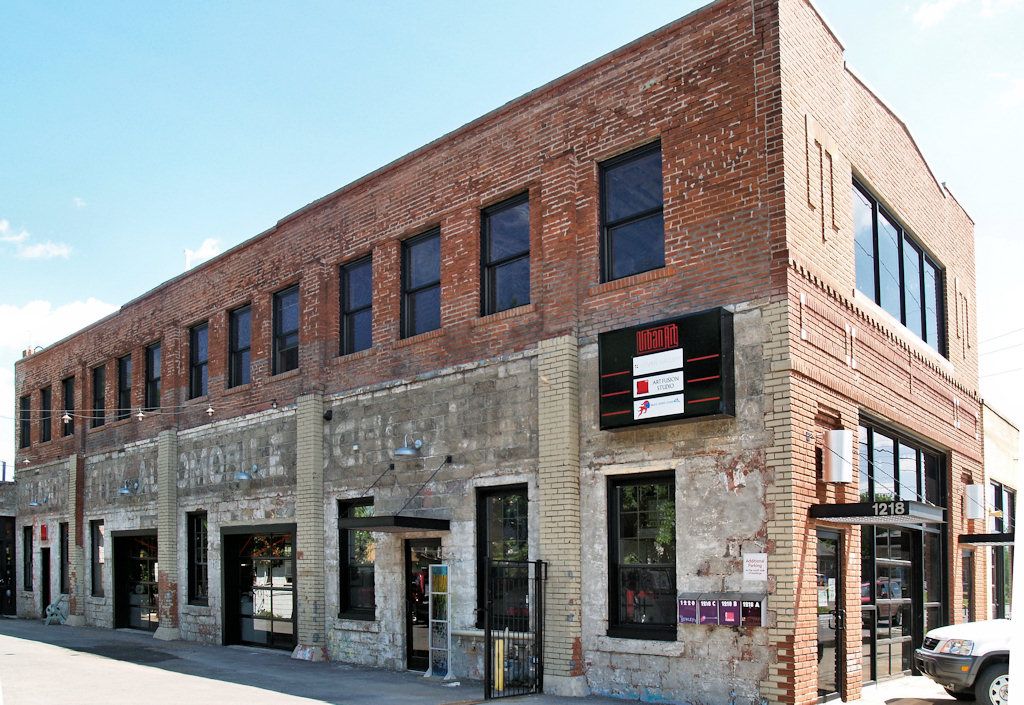
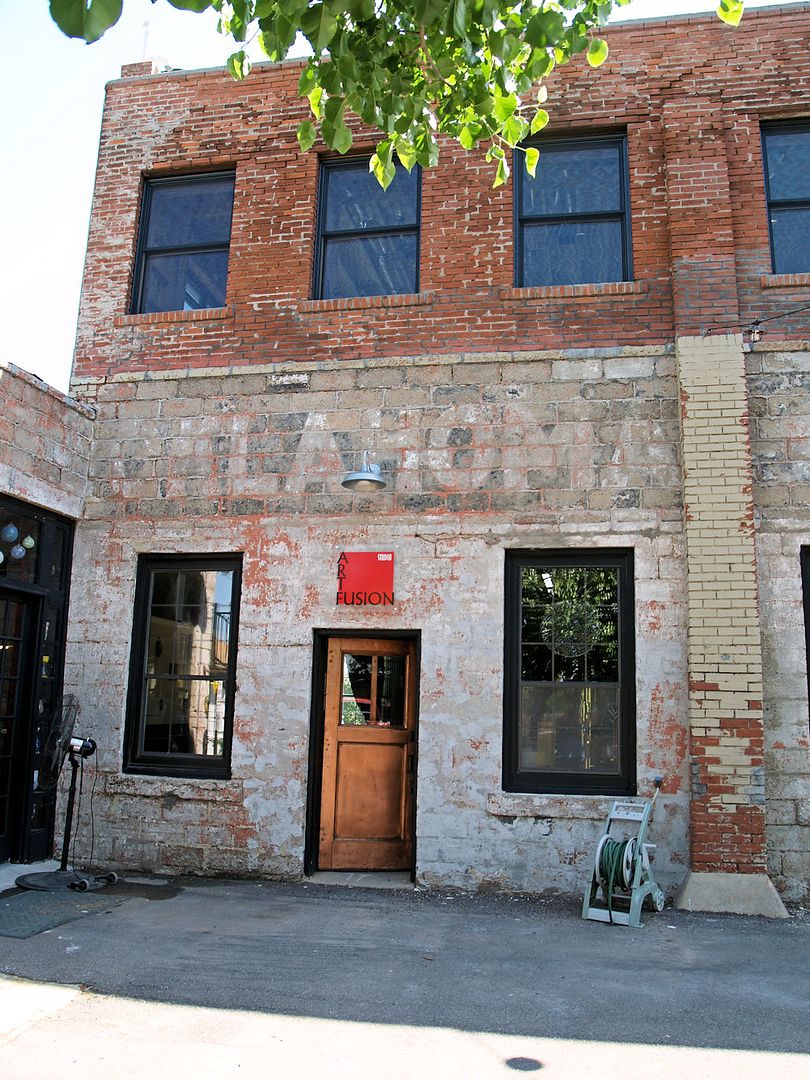
The Maya Trading Company is a new art gallery and shop in Oklahoma City, joining the already existing high quality art galleries, shops and artisans located at Urban Art, 1218 N. Western, they being the Istvan Gallery, Art Fusion Studio, and the Blue Sage Glass Blowing Studio.
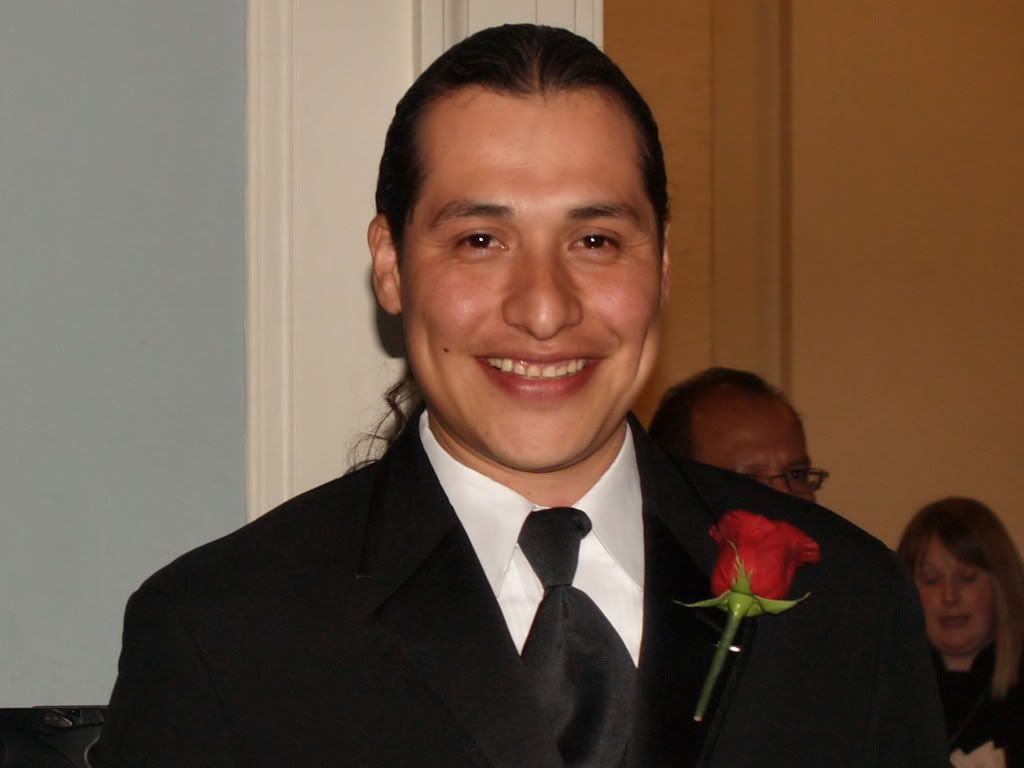
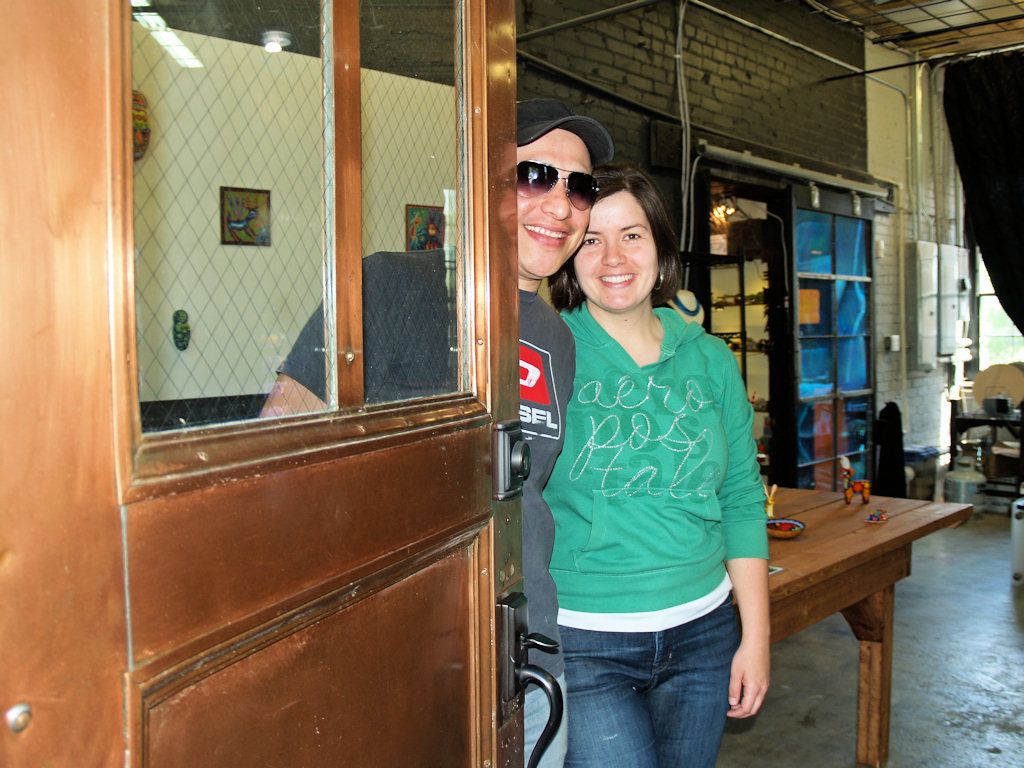
It happens that the owners of this budding venture (Amber Sharples and Milo Borges) are good friends of mine. If you've regularly read here during and after the state's Centennial, you may have seen that co-owner Amber is Curator of the State Art Collection at the State Capitol ...
. . . and that co-owner Milo and Amber were married in the Blue Room of the State Capitol in January 2009. Until moving to Oklahoma City shortly before the couple's marriage, Milo resided in Mexico City, Mexico's capital city. The couple met while Amber was doing post-graduate studies in Art History at the nearby Autonomous University of the State of Morelos.
The Maya Trading Company is their new venture, it focusing upon the handcrafted art of the Indians of Mexico and Central America ... hence the name, Maya Trading Company. Maya Trading Company's Grand Opening started yesterday evening, 6:00-10:00 p.m., and continues today (Saturday), 11:00 a.m. - 5:00 p.m., and tomorrow (Sunday), 11:00 a.m. - 5:00 p.m.
ORIGINS & CONCEPTS. What's the new shop all about and what makes it unique and special in the Oklahoma City arts community? Good questions. According to the company's "About" page,
Maya Trading Company is a gallery and retail space that offers a distinctive selection of fine craft made by artisans in Mexico and Central America. * * * [T]he mission of Maya Trading Company is to support indigenous artisans and present original products of superior craftsmanship for your decorating, gift giving, and collecting needs.
Put differently, they wanted to focus upon quality arts and crafts made by the Indians of Mexico and Central America — not the cheap stuff, only high quality. If you're looking for a purple velvet-background piece of art prepared for quick sale to tourists, go elsewhere. That's not what Milo and Amber wanted to present. With Amber's academic and professional background in Native American (meaning North, Central, and South Americas) art and art history, and Milo's familiarity with the resources available in central Mexico, the pair decided to combine their backgrounds and interests and arrived at their goals.
EXECUTING THE DECISION. This part was probably tougher than the first. This is a young couple, and one with not a lot of start-up capital to invest. They would have to select and shop wisely in Mexico given a fairly small beginning budget, and then they would have to find a quality location in which they could strut their stuff.
First, a purchasing expedition occurred, conducted by Milo, a few months ago. You will judge for yourself as you see what is presented here and as you visit the gallery and shop whether the first purchases were done wisely, but my vote is: Milo did very very well.
Second, they had to locate a place to showcase their stuff. As it developed, the already fine Urban Art which opened in 2007 at 1218 N. Western had some space available. The existing occupants, Istvan Gallery, Art Fusion Studio, and the Blue Sage Glass Blowing Studio, have quickly become known in the city as one of the finest places to browse and to shop for quality art.
After they had already accumulated their initial acquisitions of what they intended to to present and market, sort of an audition was required, I think. The existing artists and artisans needed to know that the new venture's quality met their high standards before Milo and Amber were given a green light to "come on down."
The audition was not a problem ... they were given the "OK ... you are in" and were welcomed to join the other quality productions there.
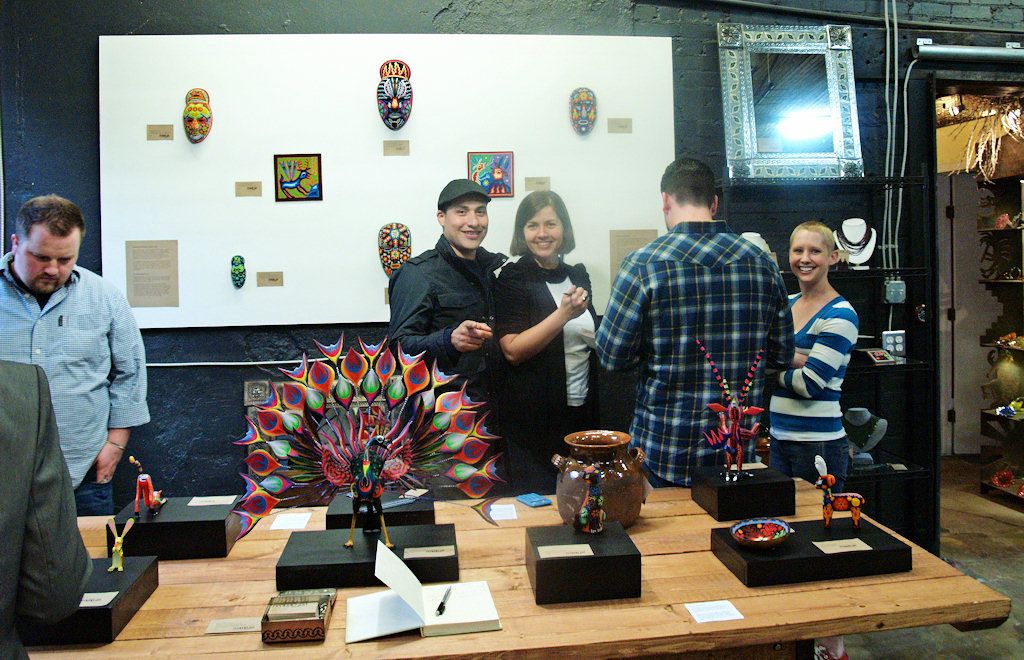
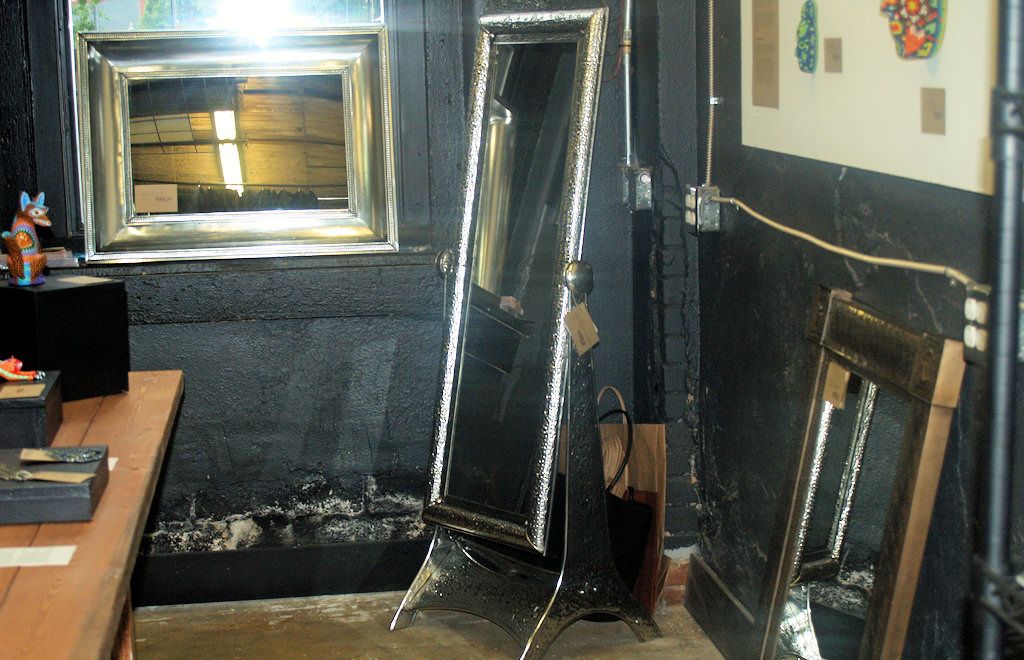
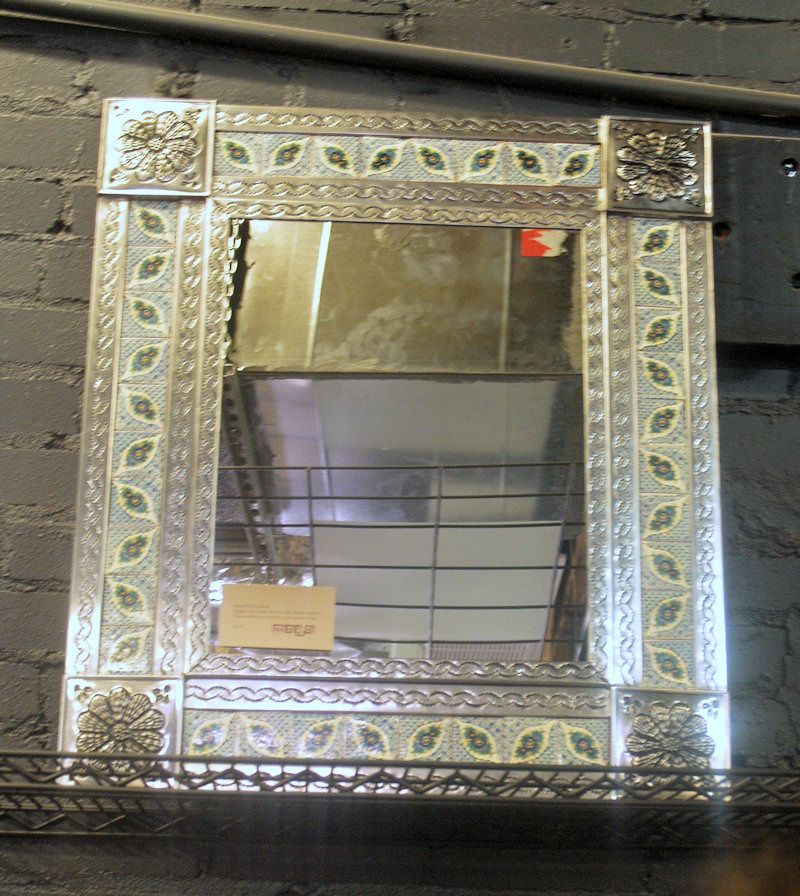
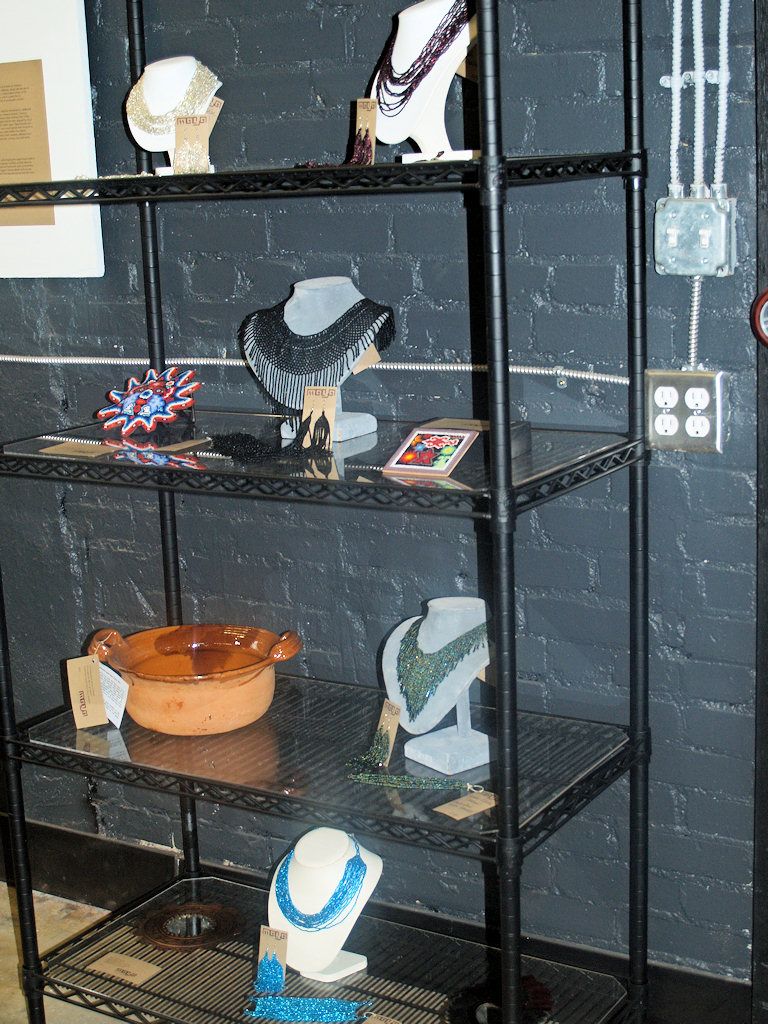
PHOTOGRAPHS. I've taken two sets of photos — 1st, a couple of weeks ago as they were beginning to get things set up and 2nd last evening on the 1st day of the shop's grand opening.
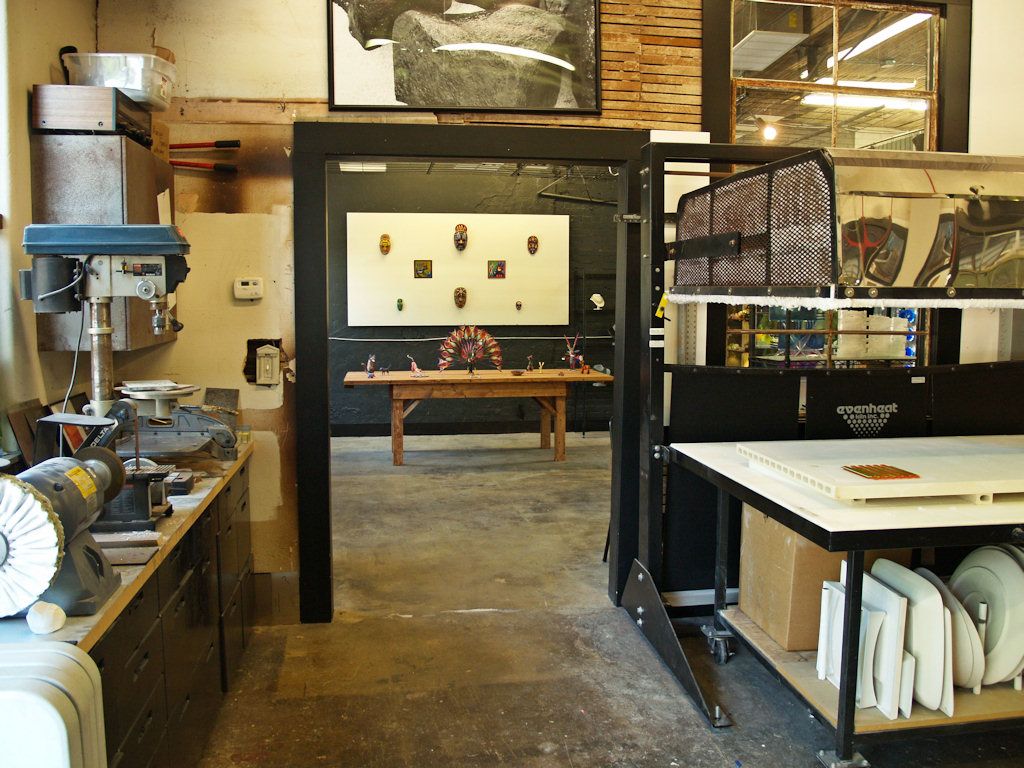
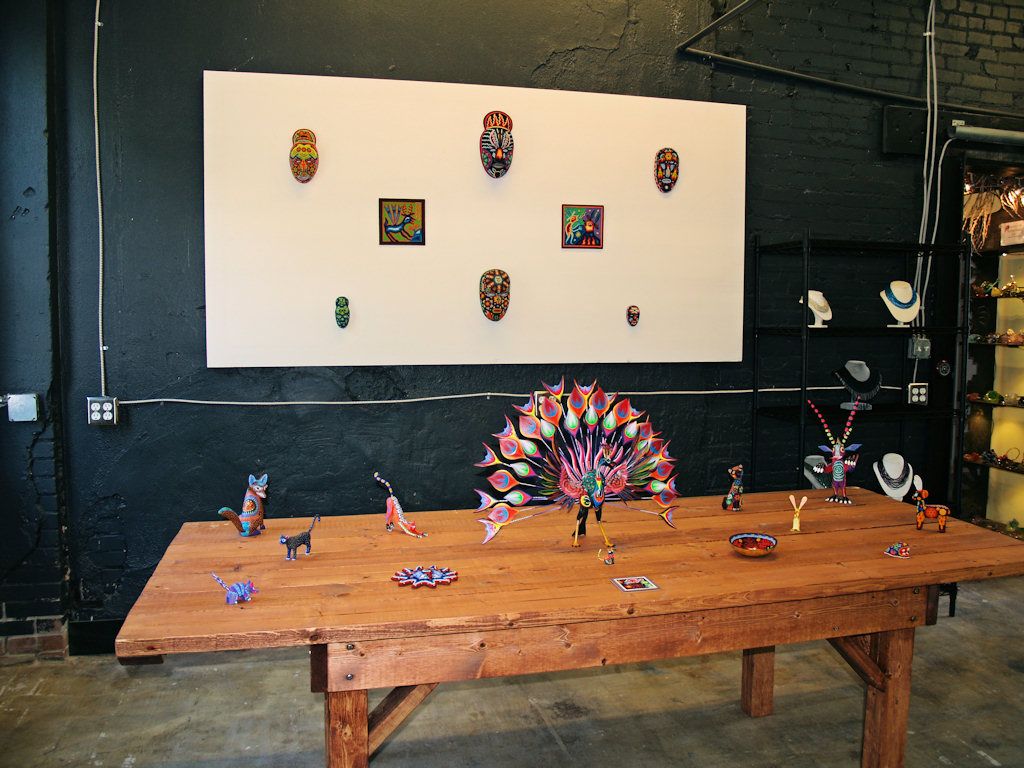
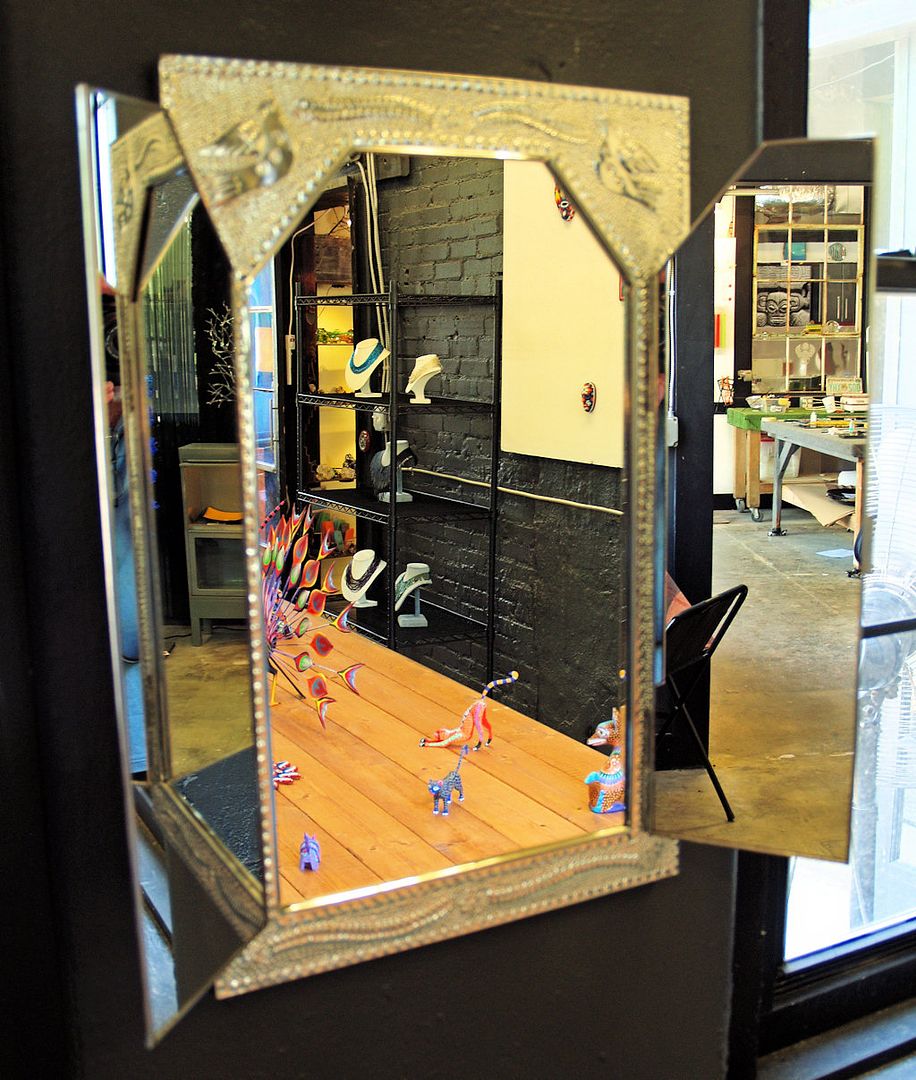
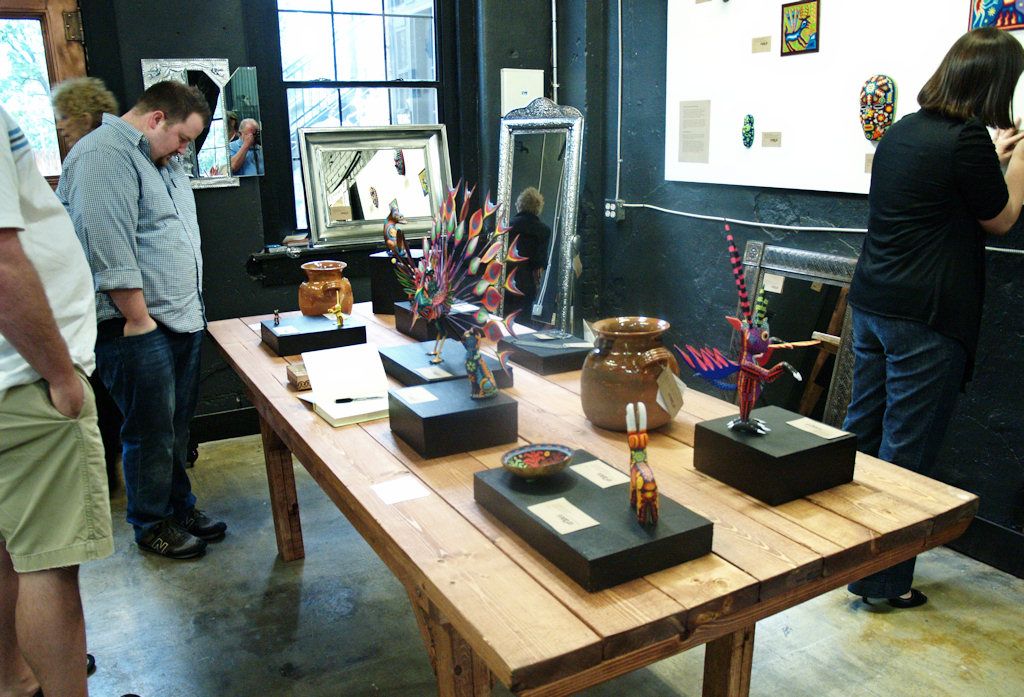
Getting the Shop Set Up. The photos below were taken a couple of weeks ago as Milo & Amber were getting started in setting up their shop. Have a look, and click on any image for a larger view.
Photos During Friday's Grand Opening. These additional photos were taken on May 14, the 1st of the 3-day grand opening. The 2nd day of the grand opening occurs today, Saturday, 11:00 - 5:00 p.m., and the 3rd, tomorrow, Sunday, 11:00 - 5:00 p.m.. Click on any image for a larger view.
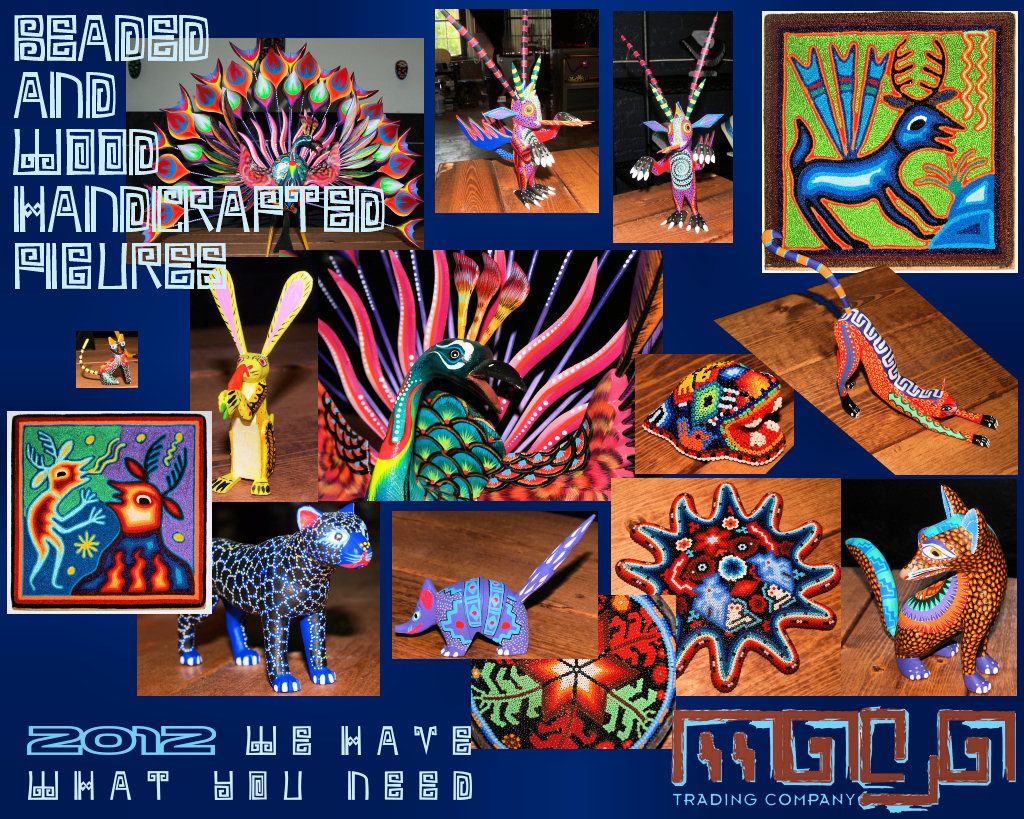
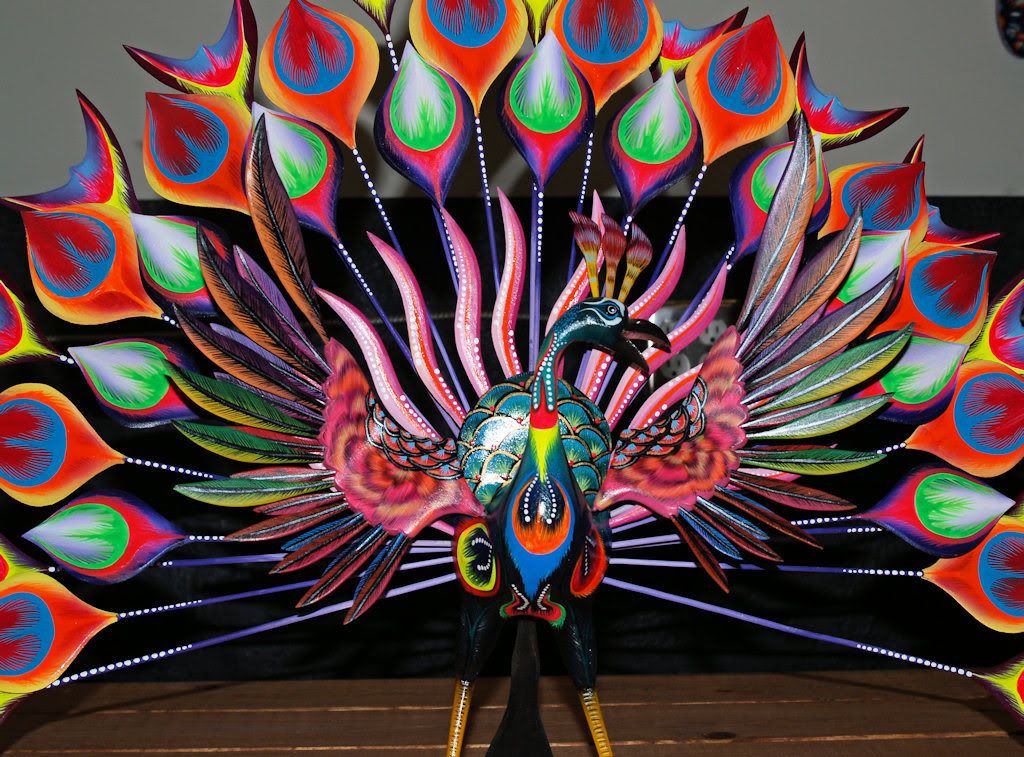
Items Available to See/Purchase. So far, Maya Trading has not acted upon my suggestion (not at all tongue in cheek) that it capitalize on the upcoming end of the earth in 2012, according to (some say) the Mayan Calendar. But, I say, "Why not?" The promotional posters which follow are not the offering of the Mayan Trading Company (yet) but are merely my modest suggestions which showcase many, not all, of the the present offerings of the shop (less any items already sold). Click on any image for a larger view.
Operation Scissortail - Our Latest Book!
-
[image: devon book cover]
We are very happy to announce the release of our latest book, "Operation
Scissortail," a narative history of the construction o...
Saturday in the Park..on a 113 degree day
-
For those who don't know, there is a reason I've gone very quiet at such a
pivotal moment for Downtown OKC. I accepted a position in Cleveland, Ohio
and I...












 A funny thing happened on the way to the National Main Streets Conference hosted by Oklahoma City on May 2-5, 2010, at the Cox Convention Center. The Main Street program is part of the operations of the National Trust For Historic Preservation with its national offices in Washington, D.C.
 But this article isn't about that conference — but it did present an occasion that Jonathan H. Poston, Director of the Southwest office of the National Trust for Historic Preservation to be in town. And, as it happens,










 Posts
Posts


