
To view Channel 9's Video of the 28 minute press conference, click here or on the image below. For a text transcript of the press conference, click here.
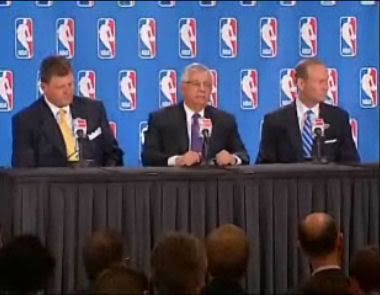
NBA officials present for the day's events included David Stern, NBA Commissioner, Deputy Commissioner Adam Silver, president of league, basketball operations Joel Litvin, Los Angeles Lakers owner Jerry Buss via his daughter, Jeanie Buss, Indiana Pacers Herb Simon, and part-owner of the New Jersey Nets, Lewis Katz.
City and State leaders present included all members of the Professional Basketball Club, LLC, as well as a host of publicly elected officials, past and present. This Darnell Mayberry Oklahoman article notes that,
A unified front by Oklahoma leaders at the Skirvin Hotel impressed the relocation committee enough to give Oklahoma City the thumbs up. NBA executives were greeted by Oklahoma City Mayor Mick Cornett, Tulsa Mayor Kathy Taylor, Gov. Brad Henry, Oklahoma State House Speaker Chris Beng and former Gov. Frank Keating.About that, David Stern commented in the afternoon's news conference:
Leading businessmen and Sonics part owners Aubrey McClendon, Tom Ward and Jay Scaramucci also attended the meetings as well as Jeffrey Records of MidFirst Bank, Everett Dobson of Dobson Communications and Bob Howard. OSU President Burns Hargis, OU football coach Bob Stoops and OSU athletic director Mike Holder also represented the state.
"There's just something about being in the room with all of the people who are in charge,” said Stern, adding that Oklahoma City would have "no chance” of landing an NBA team if voters didn't approve $121 million in tax funding on March 4 to go toward renovating the Ford Center.While the NBA officials were being given a tour of the Ford Center, existing and as will be upgraded because of the successful March 4 vote, the City Council met and gave its unanimous approval of the Letter of Intent that the Sonics had presented earlier. A couple of nay-sayers were present in the audience to voice their objections, Wanda Jo Stapleton and David Glover. Their comments brought some harsh words by Council Member Skip Kelly ... according to today's Journal Record article, he said,
"I think in its totality, the way it was presented, it had a great influence on the committee members. It was very impressive, and one understands why it's more than Oklahoma City. It's Oklahoma.”
Said Henry of the relocation committee: "They're impressed with the cohesiveness of this community and this state. I just can't imagine that the owners would turn down our request for a team on April 18.”
Councilman Ronald “Skip” Kelly said, “It seems like that there are certain people in our city that don’t want to see any kind of progress on any type of project. And I take offense when someone comes in here and says we were led by some fancy brochures.”Doug Dawg is in complete agreement with Council Member Skip Kelly on that!
One of the NBA officials attending was Lewis Katz, part owner of the New Jersey Nets. He spoke glowingly about the NBA in Oklahoma City ... see this video at Channel 9 for the full video ...
According to today's Oklahoman (and you can here him say many of the words in the above video clip), he said,
"There's no question among the minds of the committee,” Katz said. "This is going to be an amazing experience for the NBA.”In yet another Oklahoman article, the fuller interview with Katz went like this:
* * *
Katz, who seemed to be running for mayor while holding court after Stern's press conference, said, "Can you imagine this market with a championship-caliber team? You had $800,000 a game (gross) for a team you knew was leaving. You keep talking about being a small market. It's not a small market.”
In an interview with Oklahoma City reporters Tuesday, New Jersey Nets part owner and relocation committee member Lewis Katz spoke candidly about whether the Seattle SuperSonics will soon call Oklahoma City home and why concerns over Oklahoma City's market size are exaggerated.News Conference Transcript. From Olympia Washington's News Tribune, here's a transcript of the March 25, 2008, NBA Press Conference at the Skirvin Hilton:
Q: What were your impressions of Oklahoma City coming in and what do you think now?
A: I had no idea what Oklahoma was about. I thought I was going somewhere was there was plains and a lot of wind. I've never seen a better presentation in my life. I've been to a bunch of these relocation meetings. I never saw better support from the business and political and government community. A vote of (61.9 to 38.1 percent) to self-impose a tax for an arena, it's just beyond anybody's wildest imagination that all this could be put together.
Q: Is this something you feel like the other owners are going to buy into?
A: Absolutely. This is wonderful for the league, wonderful for basketball, a strong wonderful ownership group that you have out here that can lead this thing. Oklahoma City, you can't believe that you can build an arena with no debt and turn it into an opening for a new team at $200 million, which is thecost of what you have with the renovations.
Q: What are the concerns from the owners about relocating a team to a smaller market?
A: Let me say this about small markets. Everybody keeps telling me that you think you're a small market. There's an hour and a half between Tulsa and Oklahoma City. That hour and a half has 2 ½ million people or 70 percent of your state. This is not Oklahoma City. And my view is 20 percent of your ticket sales came from the Tulsa market. I really didn't look at this as a small market.
Q: Do you think the Sonics will come here, and when do you think they'll arrive if they do?
A: It's just a question of when. And the hope is somebody makes the appropriate approach from Seattle, people get together to sit down and make a deal and everybody walks away with something good for their community. Hopefully, Seattle will then realize that the NBA is not walking away from them.
| Transcript of OKC press conference Posted by Eric Williams @ 09:13:58 pm Here's the full transcript of the Tuesday's press conference in Oklahoma City that included Sonics chairman Clay Bennett, NBA Commissioner David Stern and Oklahoma City Mayor Mick Cornett. Opening Statements: Oklahoma City Mayor Mick Cornett: I’d personally like to thank Commissioner Stern, his NBA staff and the members of the Relocation Committee that came to Oklahoma City today and allowed us to give our presentation. We had a number of Oklahomans who were there, many of them as part of the presentation but also there in a support role. [More:] Former Mayors Humphreys and Norick, Mayor Kathy Taylor from Tulsa was down in a support role, Governor Keating, Governor Henry were on hand, Mike Holder, the Athletic Director at Oklahoma State, Joe Castiglione from the University of Oklahoma, Bob Stoops, the Oklahoma head football coach was in the room; as well as the entire ownership group of the Sonics franchise. So, it was a great show of support and I think symbolic of Oklahoma City’s long or at least through two years support of the NBA in this city, and I think (it) reflects well on our stance that we are a perfect relocation site for an NBA franchise. Commissioner, thank you very much for all of the attention that you gave us today. Bennett: It’s a very proud day for me. I’m very proud of Oklahoma and Oklahoma City, of our Ford Center, of our recent vote to improve the building, and the demonstration of state, local, civic, business, political leadership that was in the room today was really extraordinary and was unified on a common goal of bringing the NBA to Oklahoma City. So, I’m thrilled to sit here today having completed the process of the day and survived the Commissioner’s many questions, but hopefully we responded well and showed well and again, I just think it’s a great day for the city and a proud moment for our group and I think should be a proud moment for all of Oklahoma. Stern: Well, we were here with eight members of the NBA staff, including myself, and we want to also really say special thanks to Lewis Katz, an owner of the New Jersey team; Herb Simon, an owner of Indiana and Jeannie Buss, an owner of the Lakers for their full day in the work and analyzing this. At the last moment, Peter Holt was not able to make it. We had an extraordinary tour of the current Ford Center with a complete demonstration using the latest technology and a lot of footwork to demonstrate how it will be brought up to be a state of the art NBA arena should the team relocate here. And, in the afternoon session, we were presented with an in-depth look at the economy of the state of Oklahoma and various sectors in depth that I don’t think we had previously had presentations on. And, to Clay and the Mayor’s point, the array of support in that room by former Mayors, former Governors, current Mayors, current Governors, the leaders of the legislature and the business community were quite extraordinary. And those that weren’t there in person were there in video presentations covering virtually every sector from aviation to education to medical research and medical care to the energy industry. It was quite an extraordinary demonstration of the breath and array of the assets that are Oklahoma and the support that was going to be forthcoming. On the basis of the various materials that have been prepared previously and distributed to the committee, which were reviewed by them and the presentation today at a meeting subsequent to the presentation, the three members of the committee concluded that they would recommend to the Relocation Committee that it recommend that the franchise be permitted to relocate from Seattle to Oklahoma City. That meeting will take place between now and April 17th, whether it is in person or telephonically, most likely telephonically with a report prepared, and then whatever that committee decides will be reported to the Board for action on April 17th. Is that the Thursday or the Friday? The Thursday? April 18th. That’s the day of Paul Revere’s ride. You didn’t know that did you? And that’s our days work and I guess we’re all here to answer questions. Q: I wanted to ask you, Mr. Bennett, about the state-side of incentives package. You talk about the Quality Jobs program. Why change the Quality Jobs program and not ask for a direct appropriation from the legislature? Bennett: Well, we just believe that a revenue neutral approach to the state is appropriate and we think this is a significant economic development pursuit that Quality Jobs was really designed to address and that the expansion now to include this particular sector was appropriate. So, we think it is a fair and reasonable approach. Q: Did you ask for an appropriation originally? Bennett: No, we did not. Q: Clay, what were some of the questions from the Commissioner that you survived? Stern: Well, those are an executive session. He’s not allowed to – if they ask you anything publicly – the rest are covered by the Commissioner/Owner privilege, but he did get shorter. Q: Commissioner, what did you learn today about Oklahoma City that you didn’t already know? Stern: We knew about the support of the team and the Hornets and how well this community responded to the tragedy of Katrina, but we hadn’t been through, in effect, the soon-to-be re-modeled Ford (Center) and seen the plans and the care for some combination of loges and sky suites and restaurants and food service and you know, outdoor roofs, and very modernistic design that is really going to move this Ford Center into the first rank of NBA arenas. And, I would say there’s just something about being in the room with all of the people who are in charge, for the Governor to talk about the quality of jobs, legislation with both leaders of the legislature there; for the mayor to take us through the MAPS program with respect to his predecessors and him for the head of the business units to take us through, really, the breakdown specifically through video travels of the aviation industry, the medical research industry, indeed the 18 universities that are here – to have it graphically spoken to the Committee with respect to the continued flow of quality jobs and quality graduates to fill those jobs, the per capita income, the lower cost of living – I think in its totality as it was presented, it had a great influence on the Committee members, it was very impressive and one understands why it is more than simply Oklahoma City, it is Oklahoma. I thought that the Mayor of Tulsa being there was extraordinary. The support, the editorial today in the Tulsa paper – you can tell I’m a New Yorker – was, I thought, generous and meaningful to our ownership. And, we learned a lot about the economy of the state of Oklahoma and its demographic and a little bit about its geography. And I’m not sure I quite believe that there’s never been a traffic jam between Tulsa and Oklahoma City so that you can always make it in 89 minutes, but that’s me, and I’m a skeptical New Yorker, but we learned a lot about that. And there was a fair amount of discussion on DMA’s and standard market definitions and the proximity and the like. It was a pretty full explication and pretty much a tour de force on behalf of Oklahoma that I’d say impressed the members of the Committee greatly. Q: Commissioner, what will your role be in terms of aiding the franchise with its negotiations with Seattle? Stern: Well, I’m available to Clay and to Seattle, as I’ve always been. I would say I’m completely available. But there is a lease to be honored, there’s a court deciding whether that lease has to be honored by the payment or has to be honored by the team being physically there. There is an interesting issue because if the team is there for the remainder of the lease. We’re assured that the construction necessary on Ford Center will be complete by the time the team comes here. But I think there may or may not be a discussion to have about a fair settlement for both sides. I’m certainly prepared to participate in that fully and look for some fair resolution. Q: Mr. Bennett, you called this a proud day. Do you feel we sealed the deal today? Bennett: We made important progress today, and this was a serious meeting, a lot of information. The league is represented by their professional staff with some very impressive people who know what they’re doing and know the questions they’re asking. More evaluation will come from meeting and more discussion, and of course we had some very experienced owners here who know about the business, know a lot more about the business than certainly I do. A lot more to be done, but a very important step. I think it was a very successful day, and we look forward to the next step. Stern: We had with us lawyers – we never travel without lawyers; we had team marketing people who were testing and stressing assumptions; we had our chief financial officer; we had our construction expert; and we had … and then there was just the rest of us -- Joel Litvin, Adam Silver and myself … we just sort of came along for the ride, the Commissioner, the Deputy Commissioner and the President of the League and Basketball Operations. But there was a group represented here that did a lot of work before we got here, has been pushing at Clay and his team, and are as anxious as I think the members of the committee were to hear the presentation and to learn of the depth of support for this project in Oklahoma. Q: If the funding for the existing arena hadn’t been approved, would you be as positive about this as you are? Stern: No chance. Ford Center was a great temporary facility. It is not the facility of tomorrow and the $100-plus mullion that were allocated and approved overwhelmingly by the taxpayers was a huge statement and actually how that is going to be spent and the ways for locker rooms and every possible amenity is really what makes this an NBA arena. Q: Can you talk about the difference between Oklahoma City and Seattle? Stern: I think Seattle is actually a terrific market; it just doesn’t have an NBA-ready arena of the future. That’s been agreed by both parties for many years, so it’s a very strong market that has in fact supported NBA basketball over the years. When you come to a place Oklahoma, you look for the single-team market as opposed to for example a market that has three or four major professional sports leagues. You look for that. You look for a kind of support that Mayor Cornett has spearheaded, really, years before we brought the Hornets here. And then you look for the statement from the fans which are here with respect to the Hornets support, which I think the Committee feels can be extrapolated to their own team. And the array of support – the Governor was forceful in his presentation with assistance from the leaders of the Legislator were here; the Mayor was forceful; the business community was forceful. It was really extraordinary. So, you look for something that says, on paper this is a small community but then you recognize that it’s a well-populated state in a certain way. It’s got important businesses and you are going to have to make your estimates of the kind of support. And I think the Committee members that were here had come to the belief that the extra, the supercharging aspects of it, were present here in the presence of the sectors represented and the fact that this would be the sport, not just in town, but in state. And we got a pretty good primer on sports in this state, starting with the Sooners, but going to the Cowboys and also focusing, I might add – I would be remiss returning to New York and the WNBA, without adding there appear to be two women’s teams still in the hunt. So this is a sports market that cuts across gender and we got a little bit of a lesson on that as well. It was pretty impressive. Q: Mr. Bennett, can you talk about the upcoming trial and how the city of Seattle is trying to keep you in Seattle until 2010? Bennett: Well, we are prepared to engage in the trial and we are prepared to abide by the rules. Stern: I would sort of step in and say that it is not a question of force, but rather enforce. The question is, what is required under the lease? If the lease can be satisfied by the payment of money, that’s one thing. If it can’t, then it’s got two more years to run after this. That’s just what happens when you either sign or inherit documents. We respect that and I know that the owners of the Sonics respect that. Q: Commissioner, how do you react to people who have ridiculed Oklahoma City as a viable NBA city? Stern: I think that facts and education ... there were people who actually ridiculed the notion that we would have an All-Star Game in New Orleans. I would say it’s been our most successful All-Star Game in a very long time … Weekend. So, and questions were raised by players and they learned what we were doing, etc. I daresay, what the owners on the Committee would tell me that if in fact the players had seen what we saw, and they will in an abbreviated form, shortened form, that they would not have said that. Q: Mr. Bennett, what is on the personal agenda for Clay Bennett tonight? Stern: This is live on NBA TV, you know that, don’t you? (laughter) It’s going to be recorded for posterity. Bennett: Relax a bit, maybe. It’s been a busy time and this is a demanding business, but it’s also very energizing, so I am absolutely committed to this process, and view today as a very important step, and, again, I am very pleased and very proud of how we showed. Happy tonight. Sleep well tonight. Q: Commissioner, how will the Board vote giving the pending court case? And will you continue to encourage the ownership group to seek a buyout? Stern: I would say the following: The Board of Governors, if in fact the Committee recommends – remember this is a sub-committee of the Committee that’s recommending this to the Relocation Committee. If the Relocation Committee recommends it to the Board and the Board votes in appositive fashion, they will do so recognizing that everything is subject to the terms of the lease in Seattle. Period. So the approval will be with respect to whenever the team is free to move they will be approved to move. With respect to the ... I would say there are pros and cons to the timing of the move, but on balance we would as I answered earlier recommend to Clay and the ownership group that they negotiate in good faith if there is another party to negotiate with for a monetary settlement of the terms of the lease and possible beyond for the benefit of Seattle and I would be willing to participate in that if I could be constructive. And Clay agrees. (laughter) Q: Mayor, with the sales tax passed and today’s proposal, what’s left for you to do? Cornett: I’ve been all ears. This has been enlightening because we spent a lot of time and attention on making our presentation, making our case. And to hear the feedback that was apparently generally positive was refreshing to say the least. Our citizens have done everything we asked them to do. We asked them to support that team two years. They did. We asked them for the opportunity to improve the Ford center. And they’ve given us the go-ahead to do that. So, really the ball was back in our court as city leaders to try and convince this Relocation Committee to bring the team to Oklahoma City. It’s another step in the relocation process and this is really an if-when scenario. The part of Oklahoma City’s involvement is if the team is going to come. We don’t have any part to play in the when the team might arrive here. But we are very involved in the if and this is another significant step. Stern: The Mayor is too modest because he told me he personally is going to get overalls and supervise the reconstruction; although they are going to be smaller than when I first met him. (laughter) Q: Mr. Bennett, how confident can the citizens of the city be that you won’t come back and ask for more improvements or a new arena? Bennett: I’m pretty confident. We expect to play in the Ford Center for a long time. It will be among the top tier of buildings in the country. It provides the revenue streams that are important for our model. We like the building very much. And we think these improvements are going to enhance the fan experience and provide what we need for a business and certainly provides a very exciting bowl and atmosphere and for games. We like the building and it’s our anticipation that we will be there for a long time. Q: Some people in Seattle have said all they need to do is wait this thing out. If the Relocation Committee votes to move the franchise, are you committed to wait until 2010 to move? Bennett: Yes Stern: Yes. Q: There’s been talk of donors in Seattle willing to donate half the cost to keep the team in Seattle. What is the status of that and how willing would be if that happened to keep the team in Seattle? Stern: The reason that this journey began was because Key Arena was not an adequate arena going forward and there were a lot of recommendations made for another arena, plans and the like. But the tax revenues and the various contributions weren’t forthcoming, and I’d say that as far as we know, the footprint of Key is at the present time is not viewed at the present time as adequate to support what’s necessary going forward. One of the interesting things about the Ford Center is when it was built it was built to a large footprint – I think over one-half million square feet … 580. And they are talking about adding 300,000. Key Arena is a much smaller footprint. I think it’s in the threes. Also, as far as I know, we have owners there that own the team and they’ve told us based on the present state of the record and their inability to get any assistance, that the team is not for sale and the application for a move has been made. The Sub-Committee is going to recommend to the Committee and the Committee will make its recommendation. Then there will be a move to Oklahoma City if it gets approved, whether it is the end of this year or two more years. |
Those in Washington State who think that they can magically change the course of events laid down today are just whistling in the wind ... they would be better served by negotiating a deal with the Sonics owners which would keep the "SuperSonics" name in Seattle and pay off the KeyArena debt (not a present obligation of the Sonics) ... although local wisdom there has so far not seen such wisdom.
Not a problem, Seattle. Your history in recent years, perhaps most marked by Seattle icon/visionary Chris Van Dyk, defines your concept of the term "visionary." Seattle and Washington, you got what you asked for. Nothing. You have a chance to salvage "something" from "nothing" by negotiating with the Sonics for a quick release from Seattle. But, that's in the hands of your visionaries.


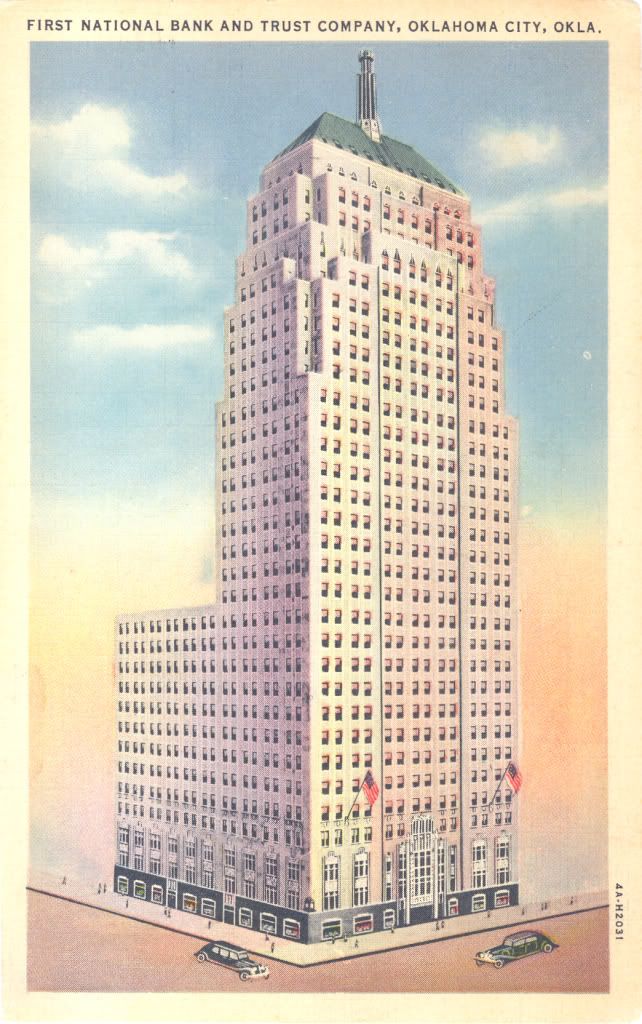
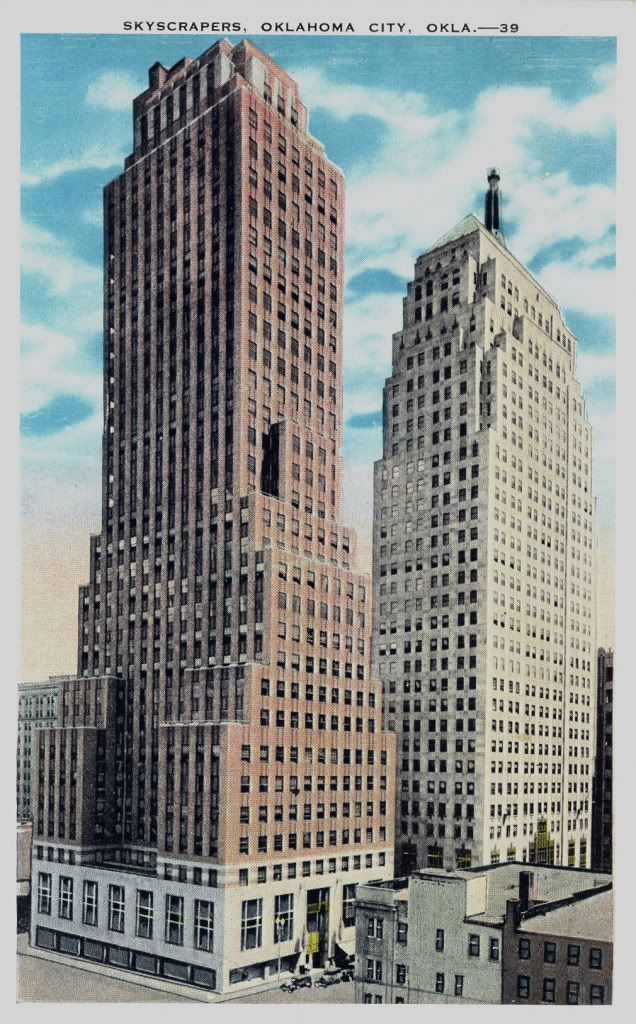
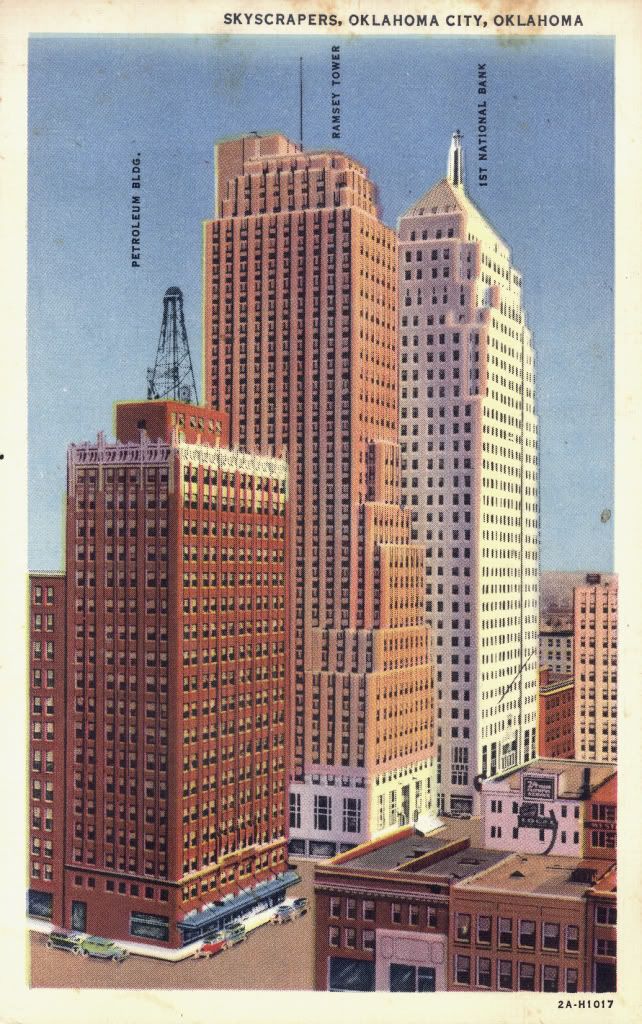


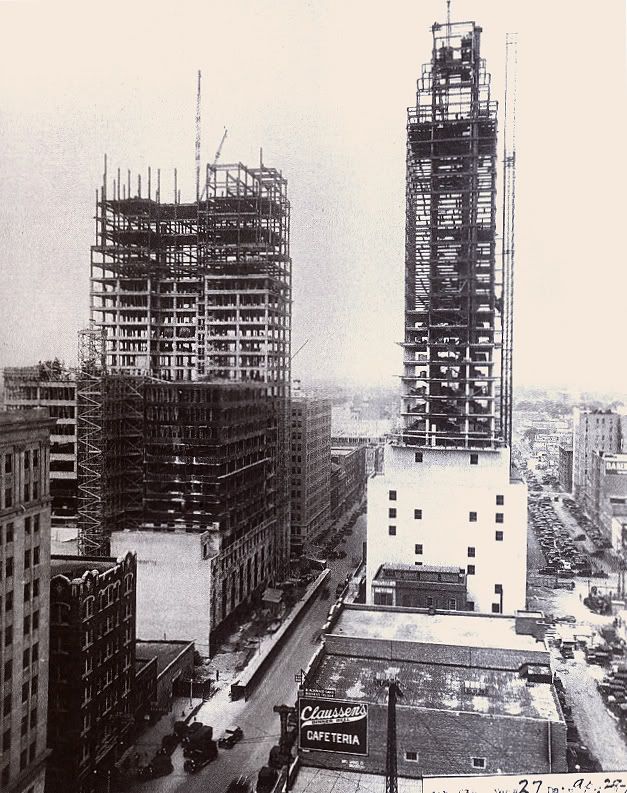
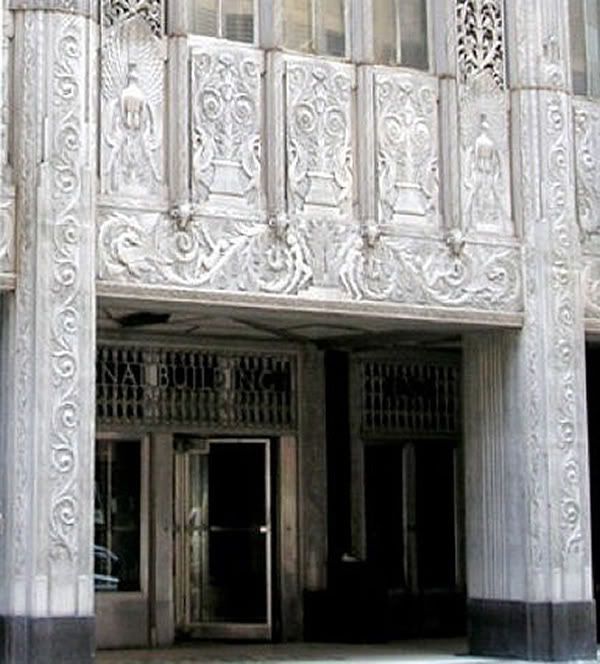
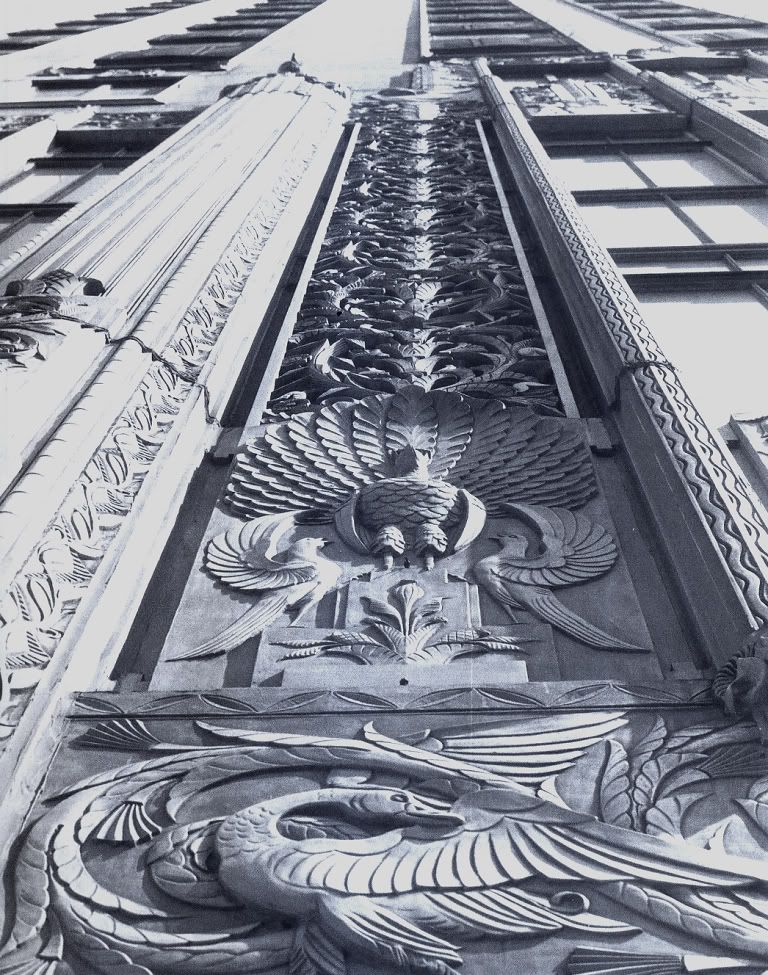
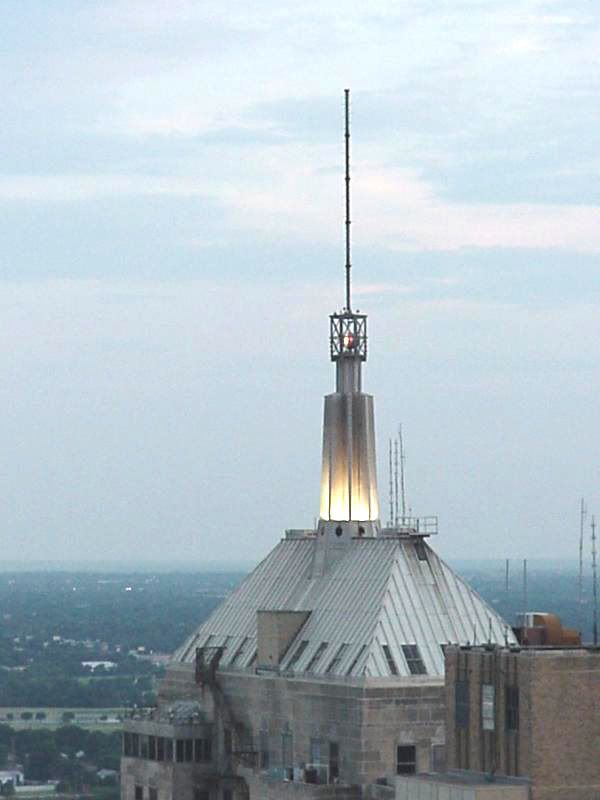



 Devon Tower
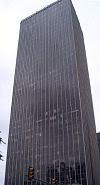 Chase Tower
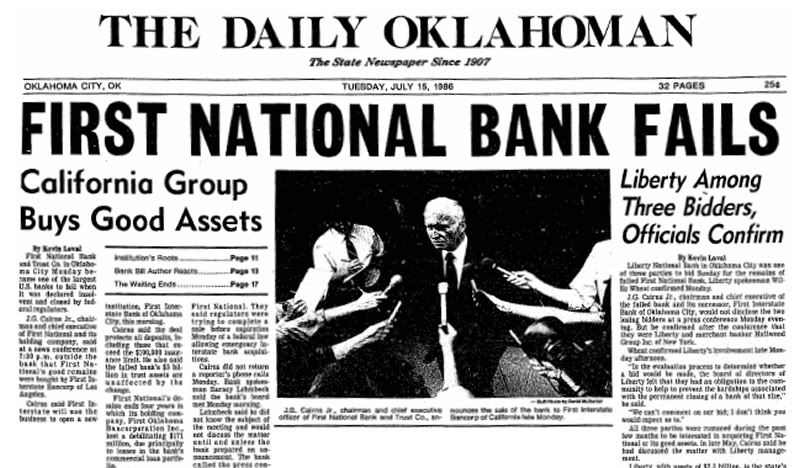
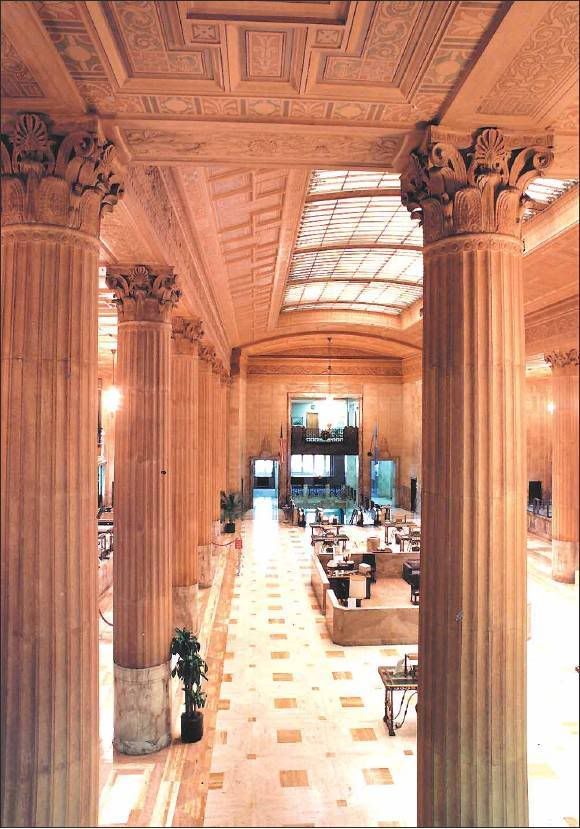
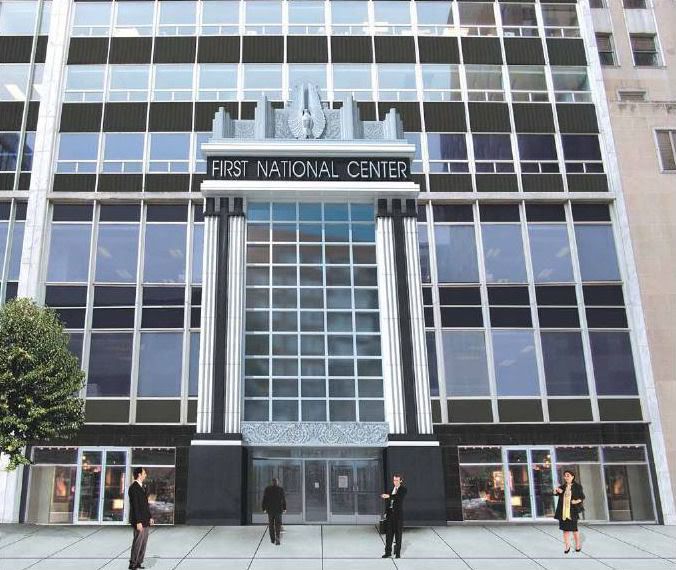
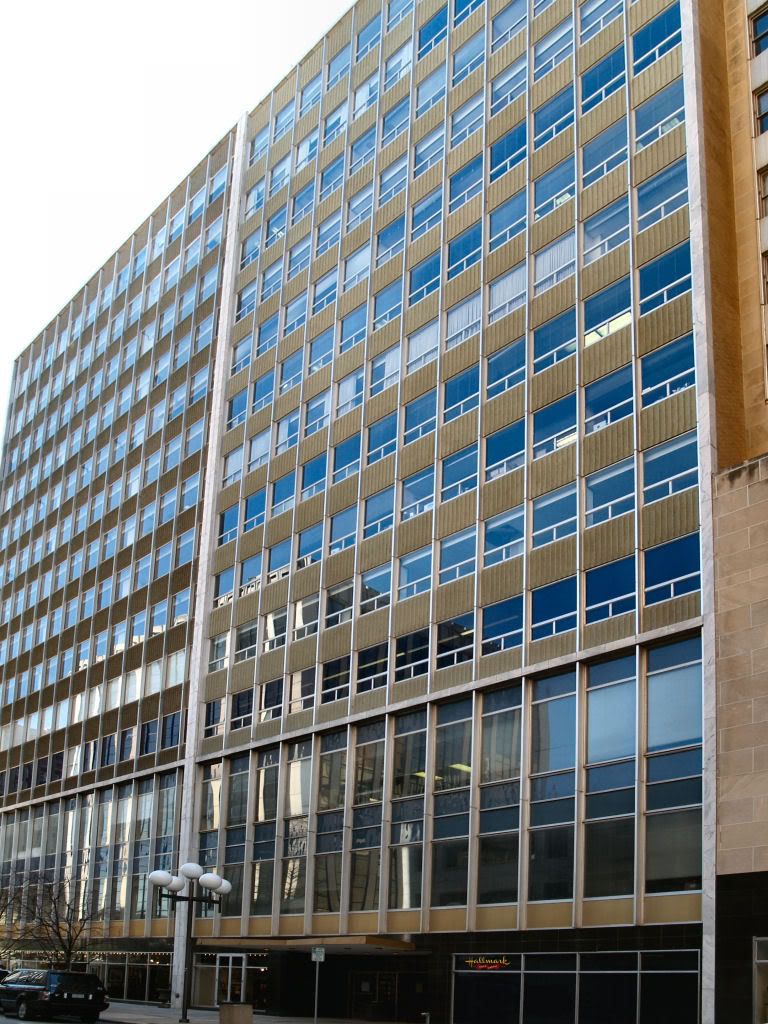
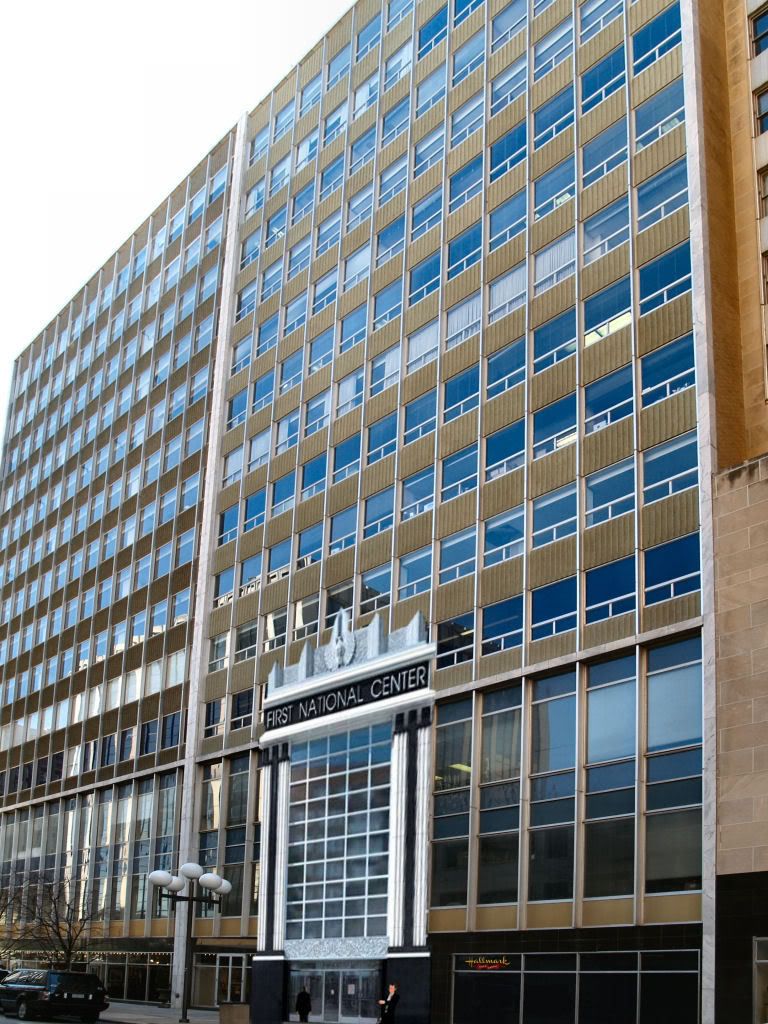
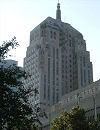 1st National
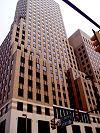 City Place
 Oklahoma Tower
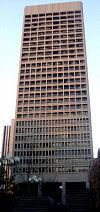 Sandridge Tower (Kerr-McGee)
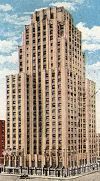 Biltmore Hotel
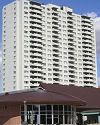 Regency Tower
 Leadership Square North
 Valliance Tower
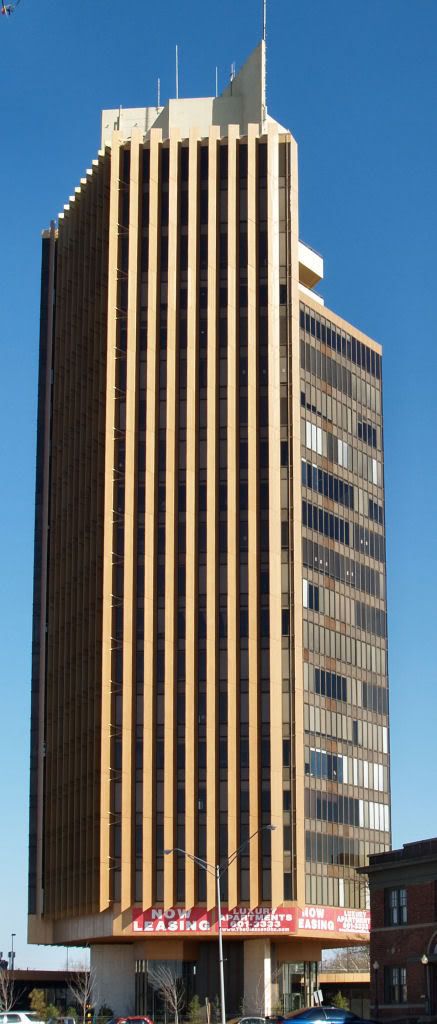 The Classen
 360 at Founders Plaza
 Mid-America Tower
 Dowell Center
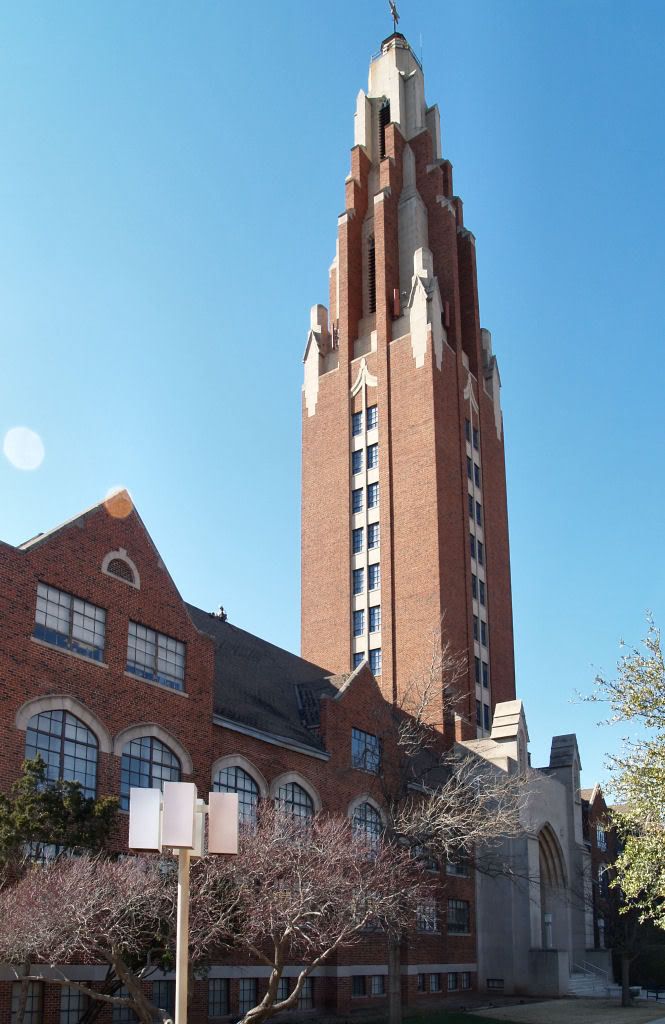 Gold Star Library - OCU
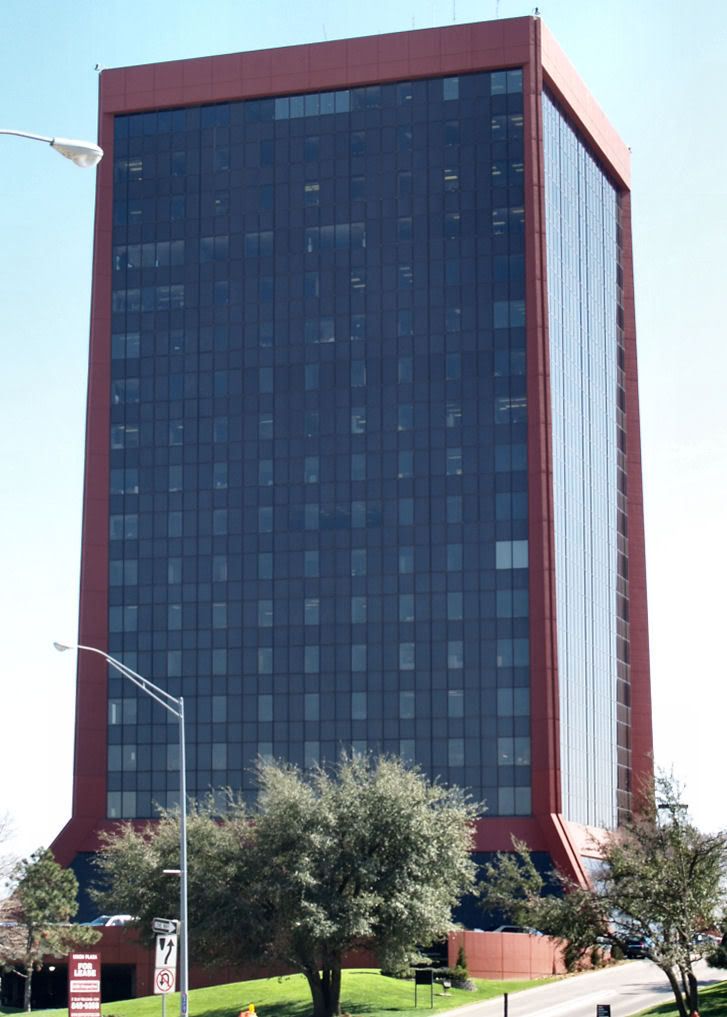 Union Plaza
 Park Harvey Apartments
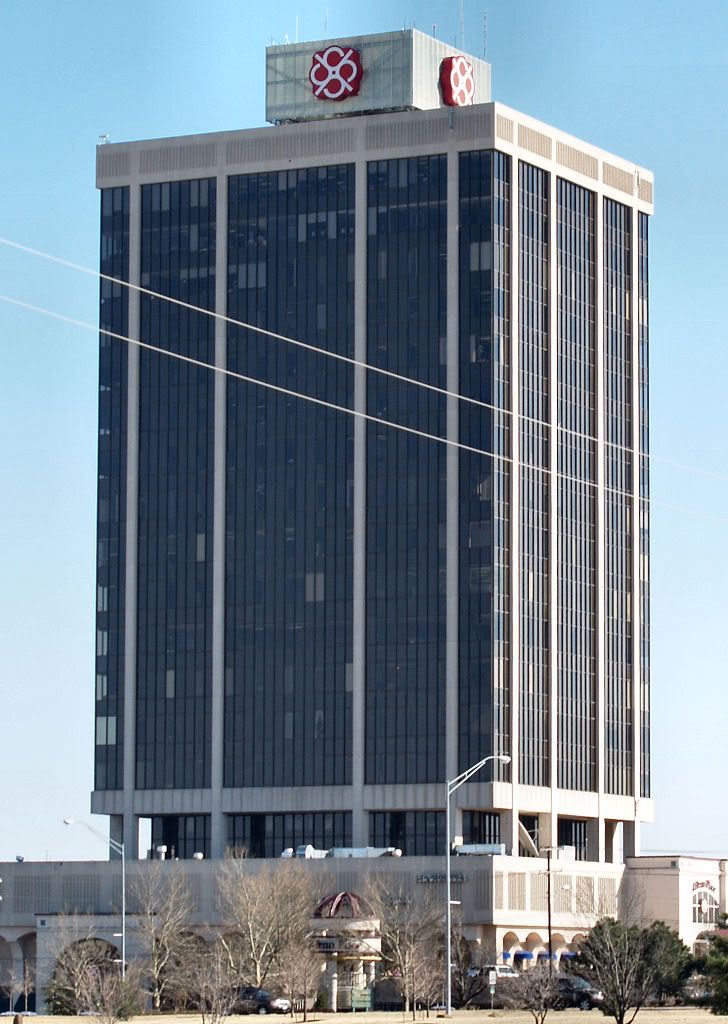 50 Penn Place
 AT&T (SW Bell)
 BOK Plaza (Fidelity)
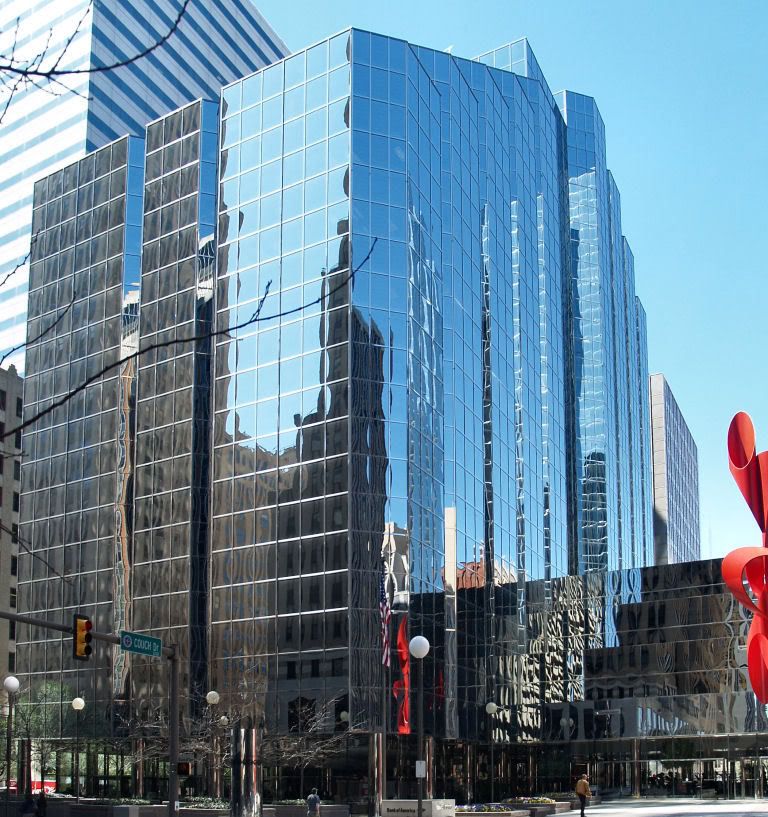 Leadership Square South
 Globe Life
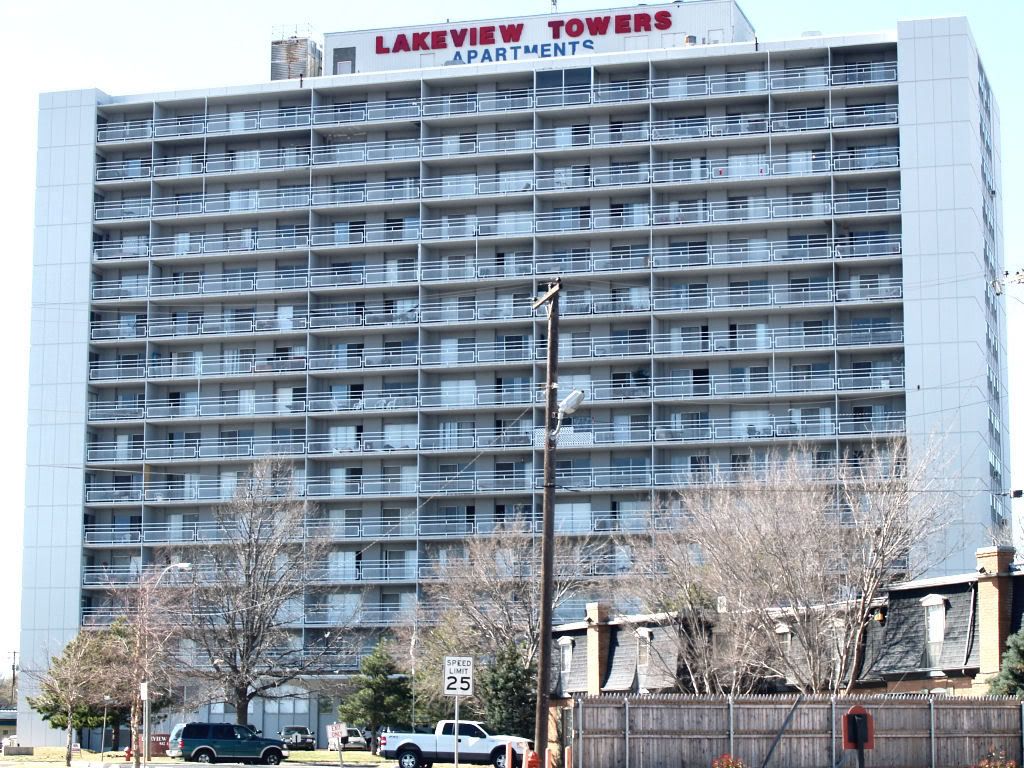 Lakeview Towers
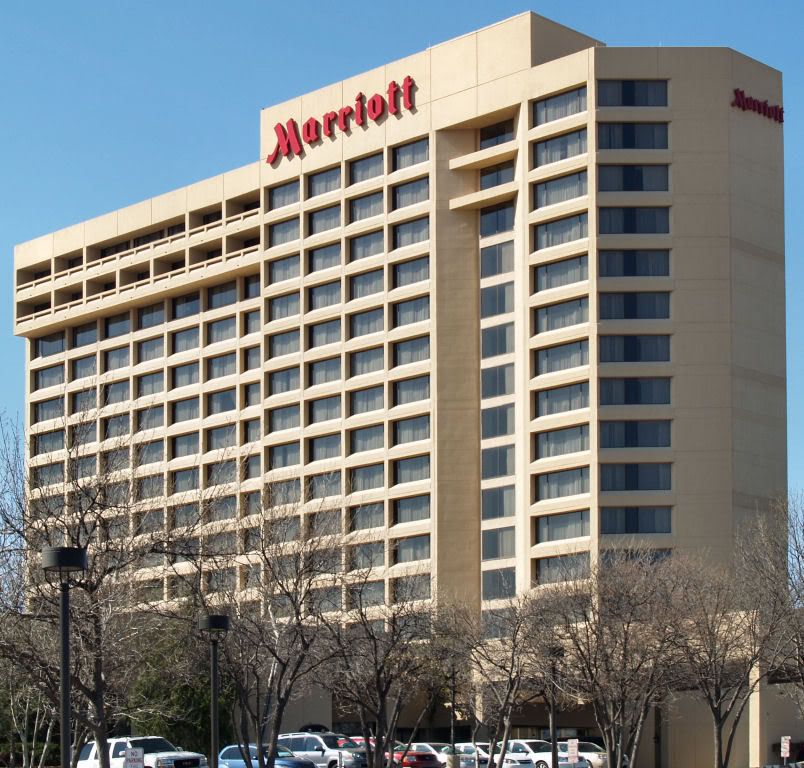 OKC Marriott
 Marriott Renaissance Hotel
 Sheraton Oklahoma Hotel
 AT&T Annex (Southwetsern Bell)
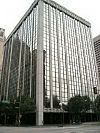 101 Park Avenue (Skirvin Tower)
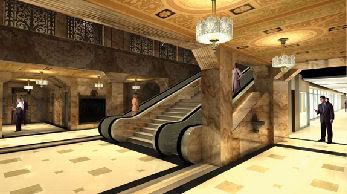
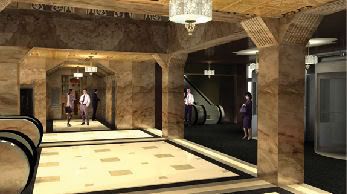
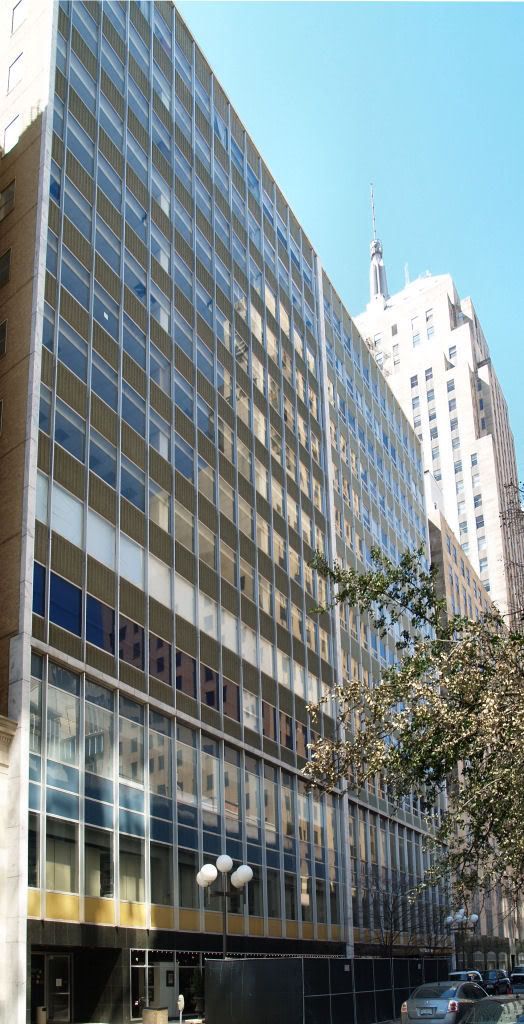 1st National Additions
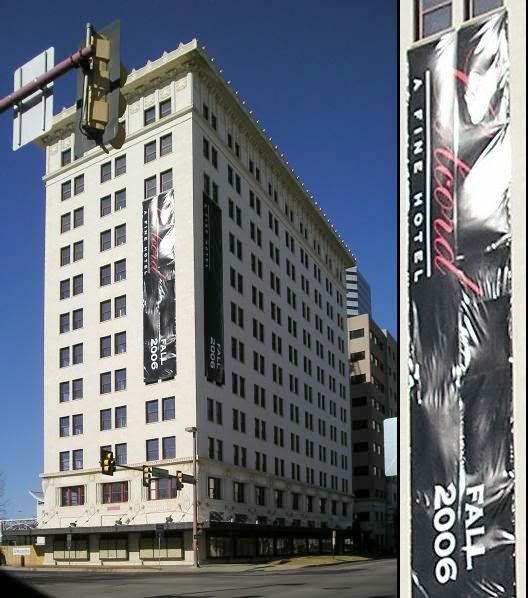 Colcord Hotel
 Corporate Tower
 Oklahoma County Jail
 Oklahoman Building
 Auto Hotel
 Oil Center East
 Skirvin Hilton Hotel
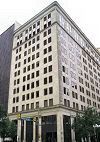 100 Park Avenue (Medical Arts)
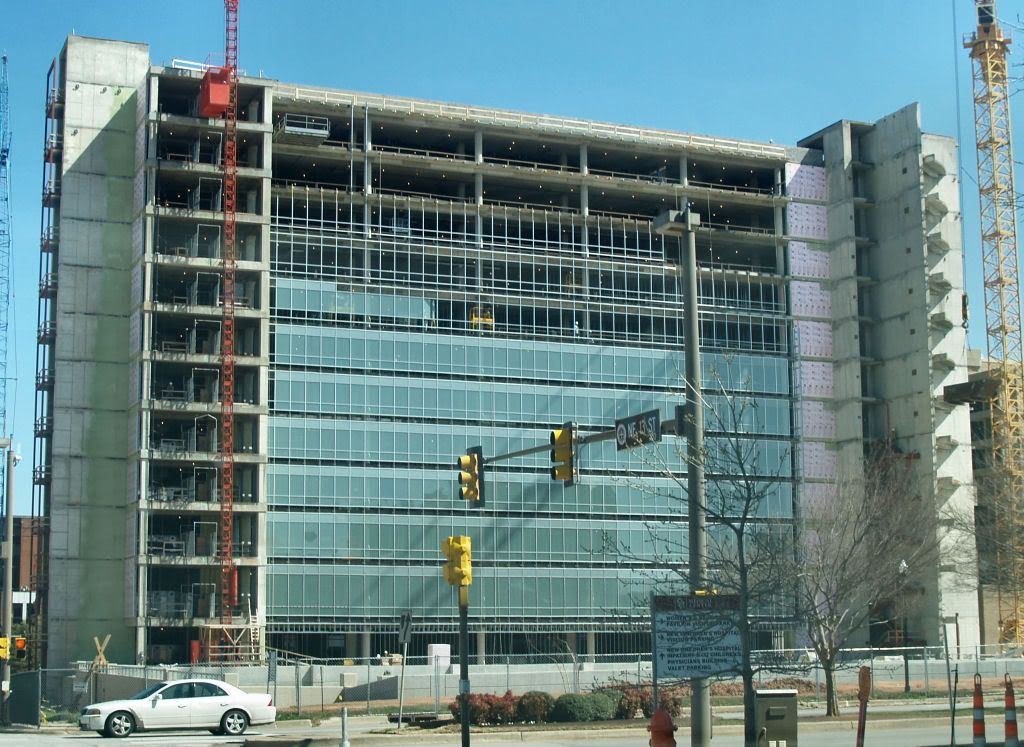 Children's Physicians Building
 Herskowitz Building
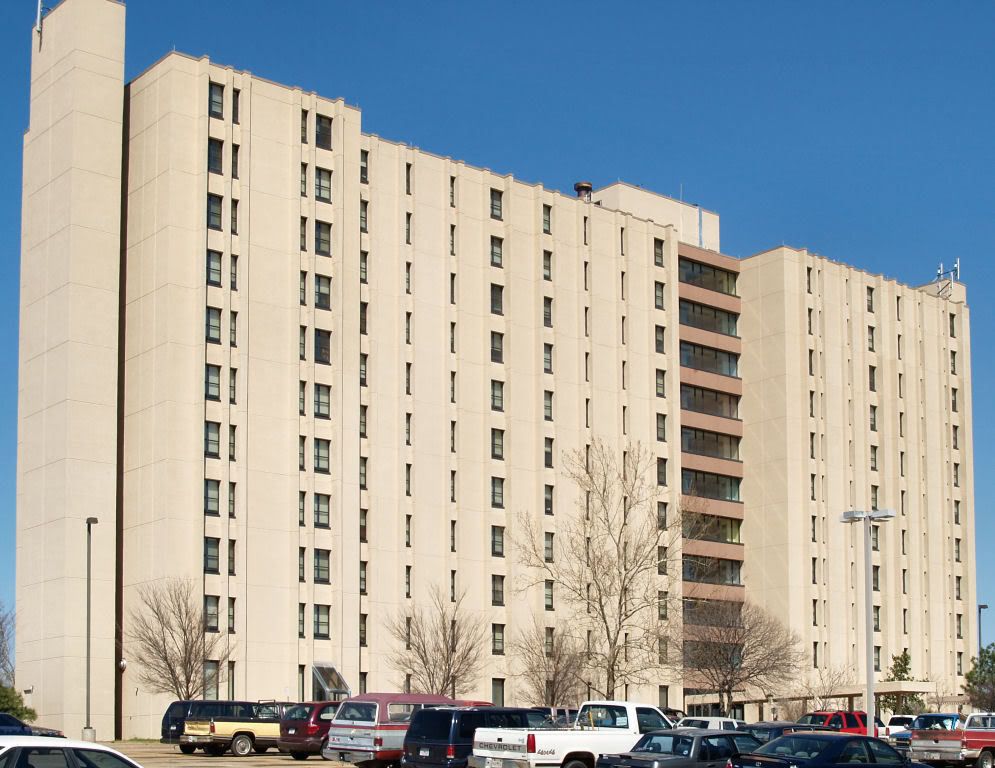 Marie McGuire Plaza
 OG&E
OG&E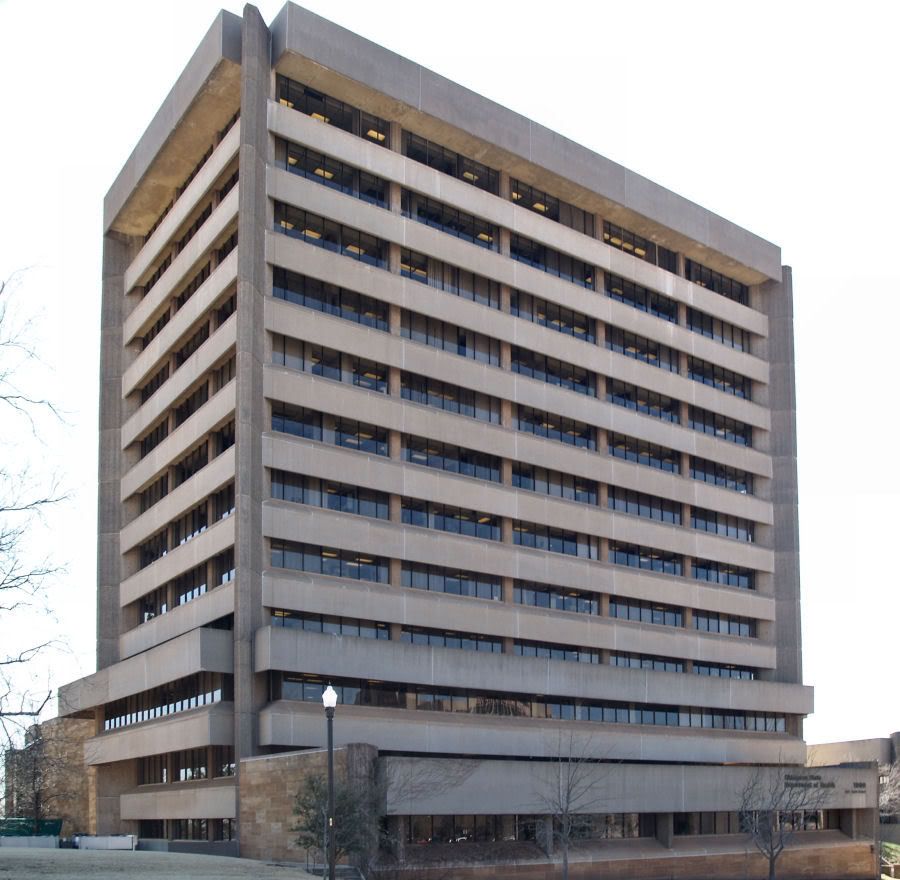 OK Health Department
 Robinson Renaissance (Perrine)
 St. Anthony Hospital
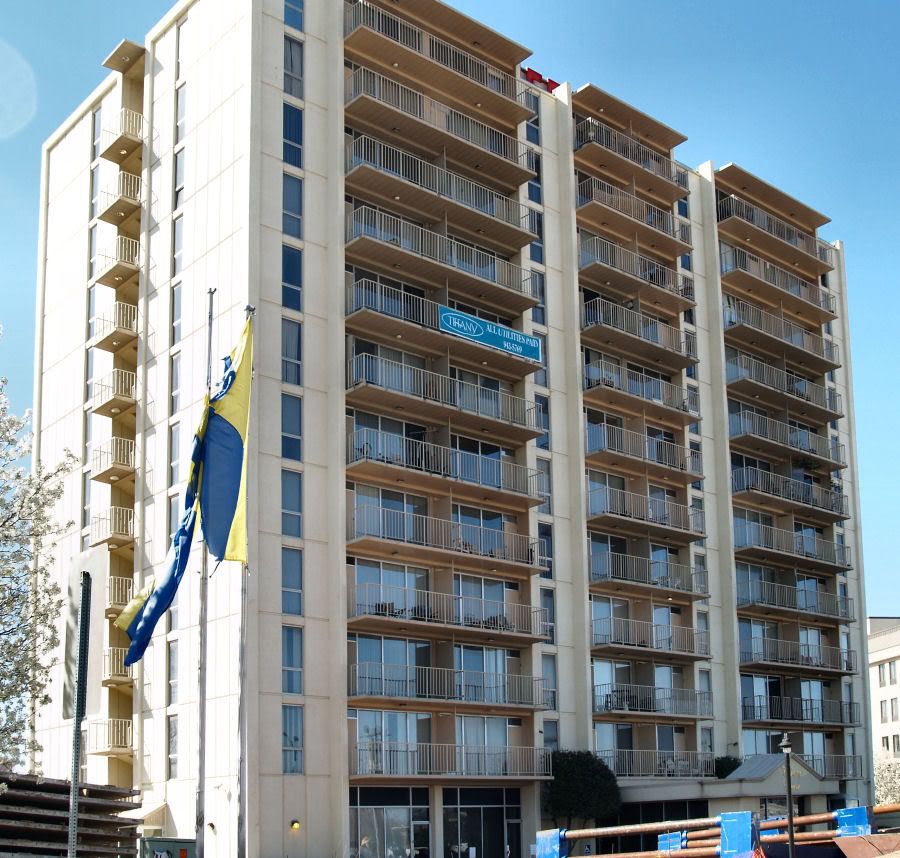 Tiffany House Apartments
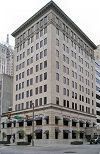 City Center Building
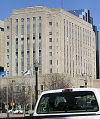 County Courthouse
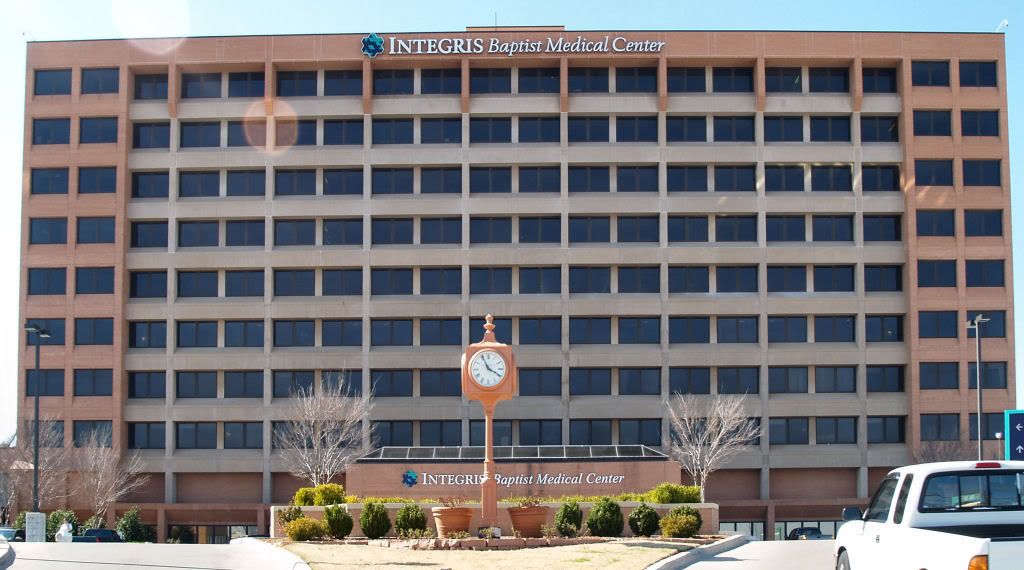 Integris Baptist Hospital
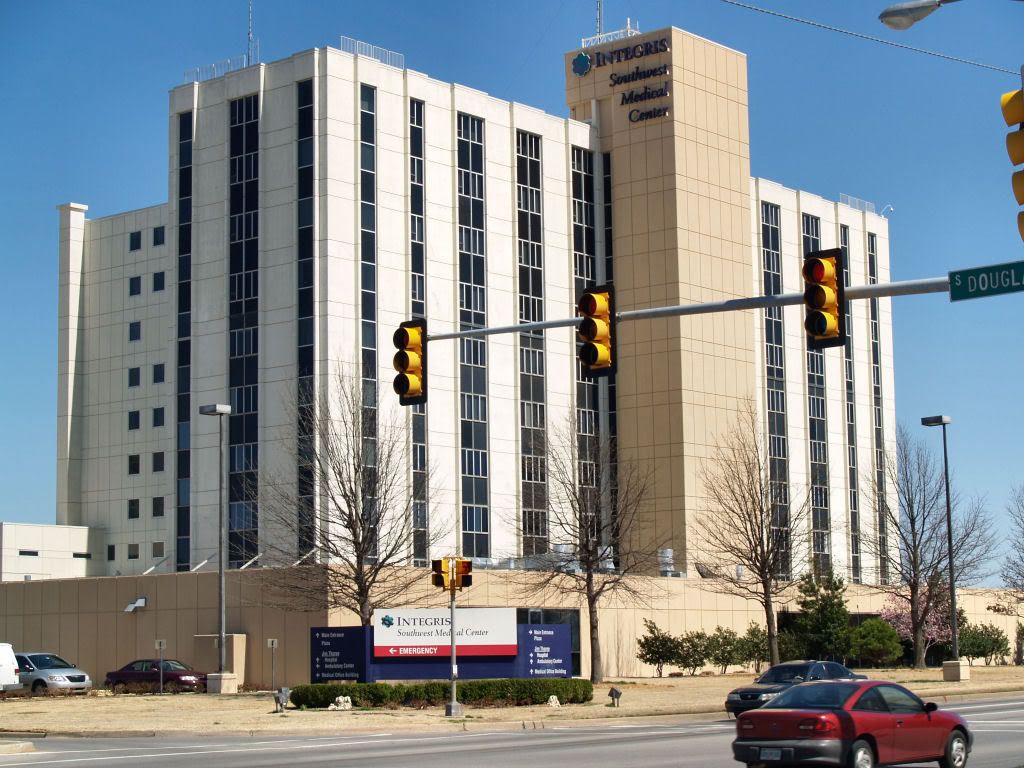 Integris Southwest Hospital
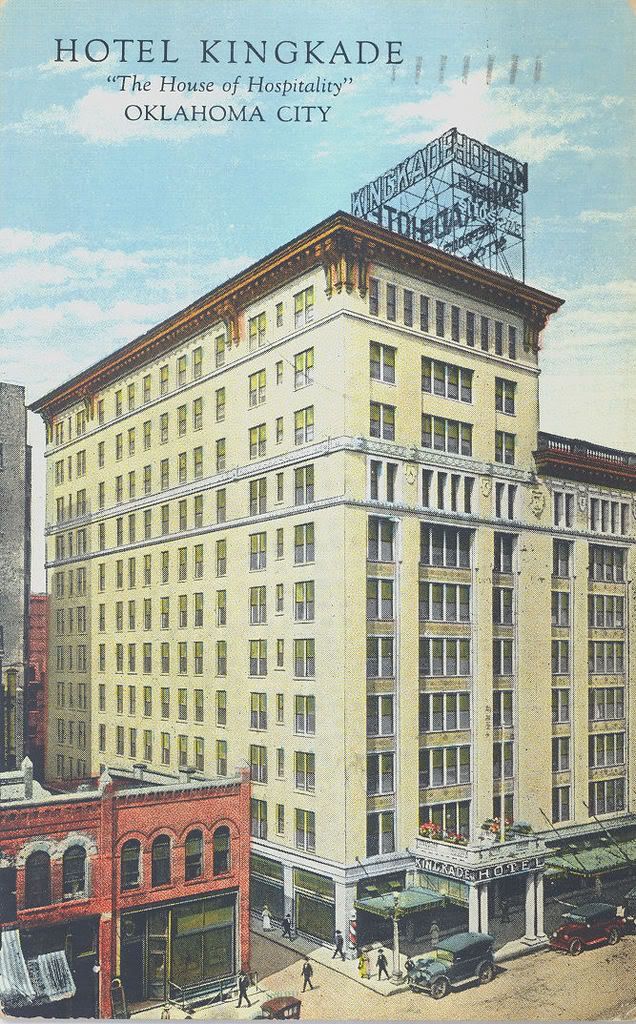 Kingkade Hotel
 One North Hudson
 Physicians & Surgeons
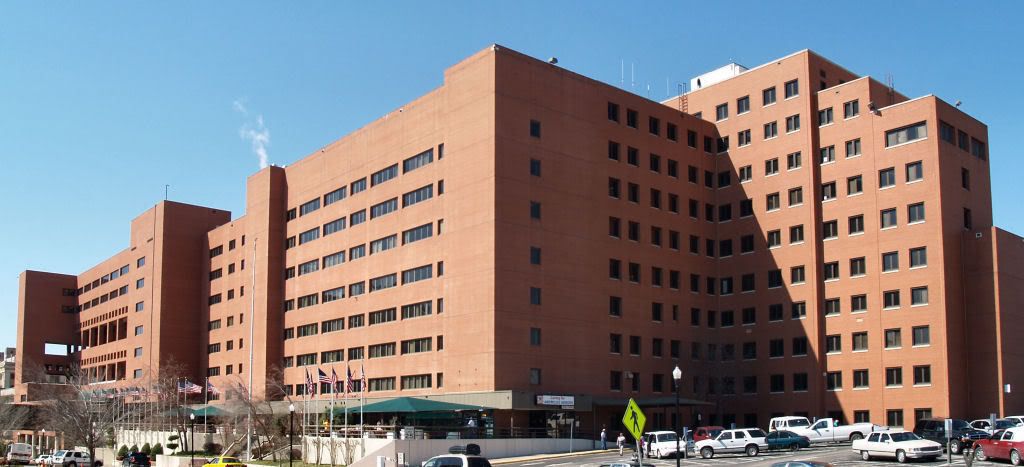 VA Medical Center
 YWCA
YWCA 324 Building (Braniff)
 5100 N. Brookline
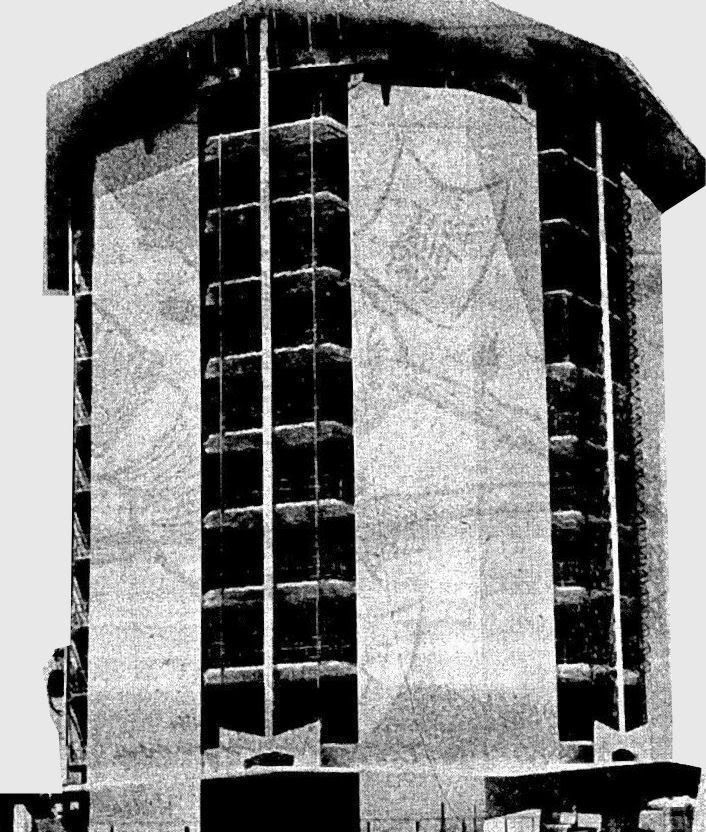 Plaza Court Hotel
 Campbell Building
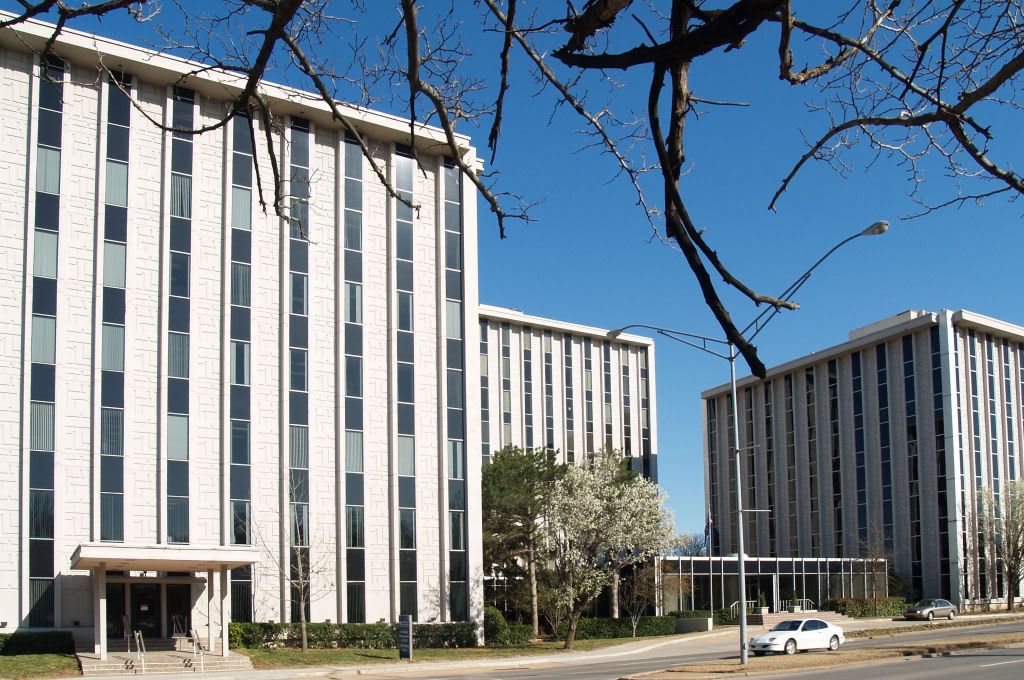 Classen Center East
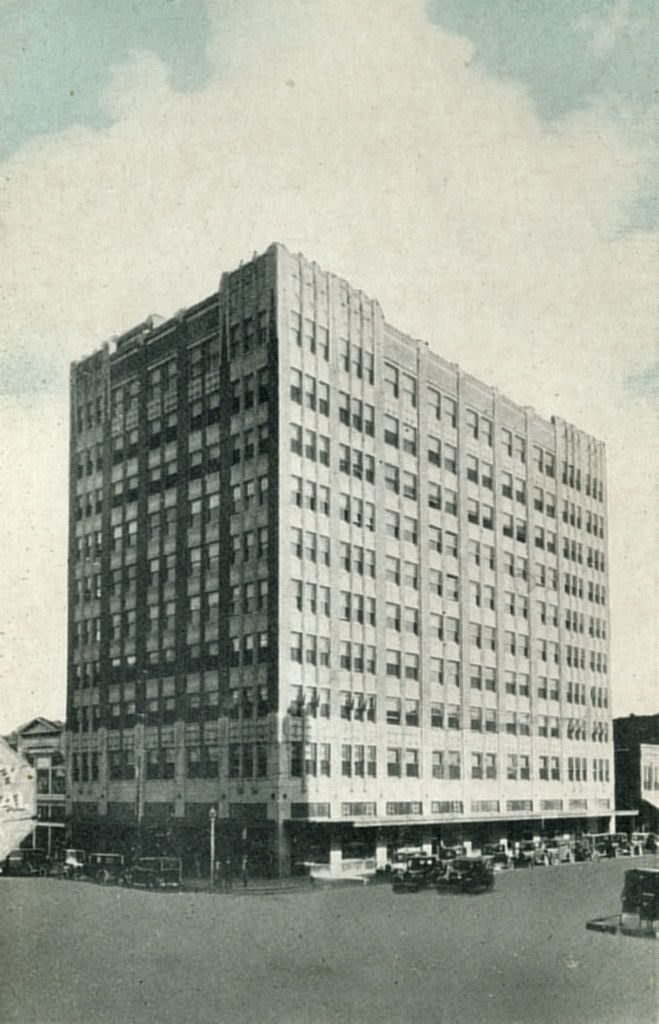 Commerce Exchange
 Country Inn & Suites
 Court Plaza (Cotton Exchange)
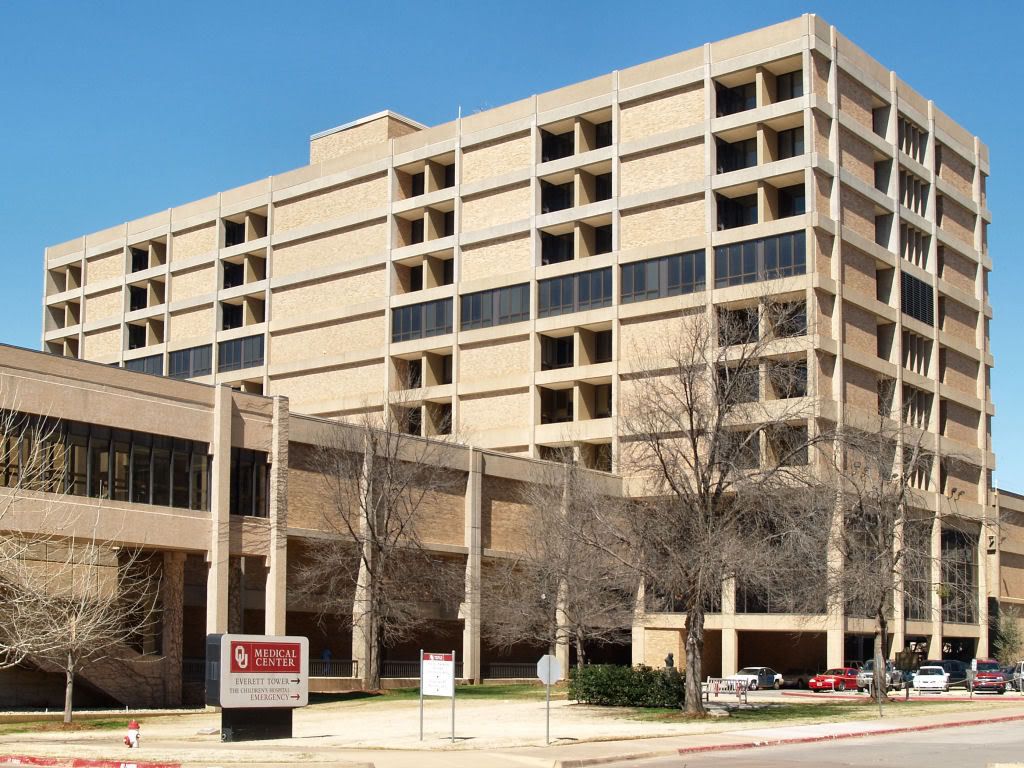 Everett Tower
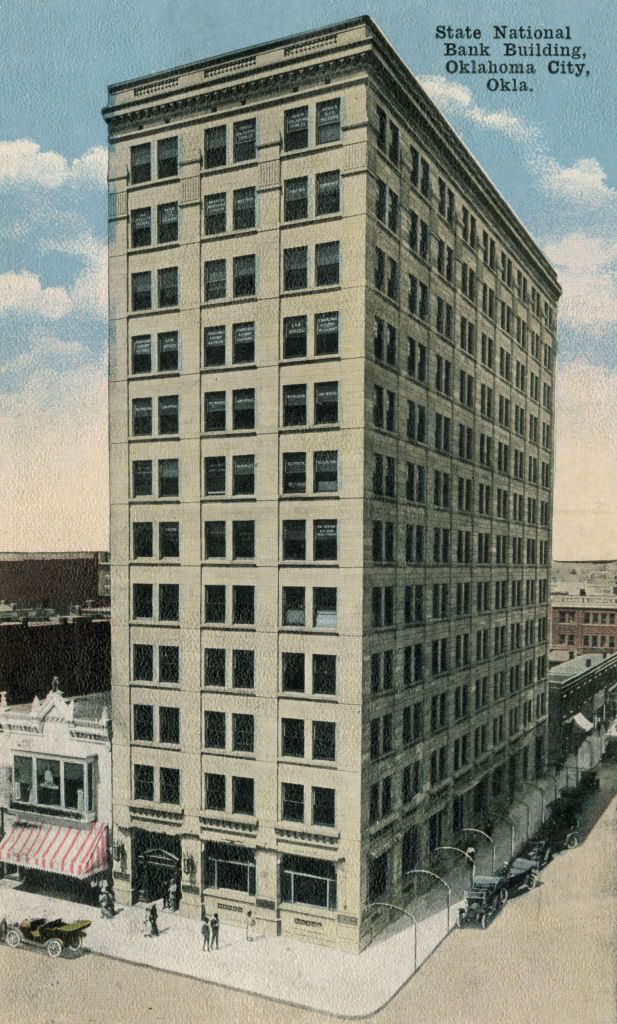 Hales Building (State National)
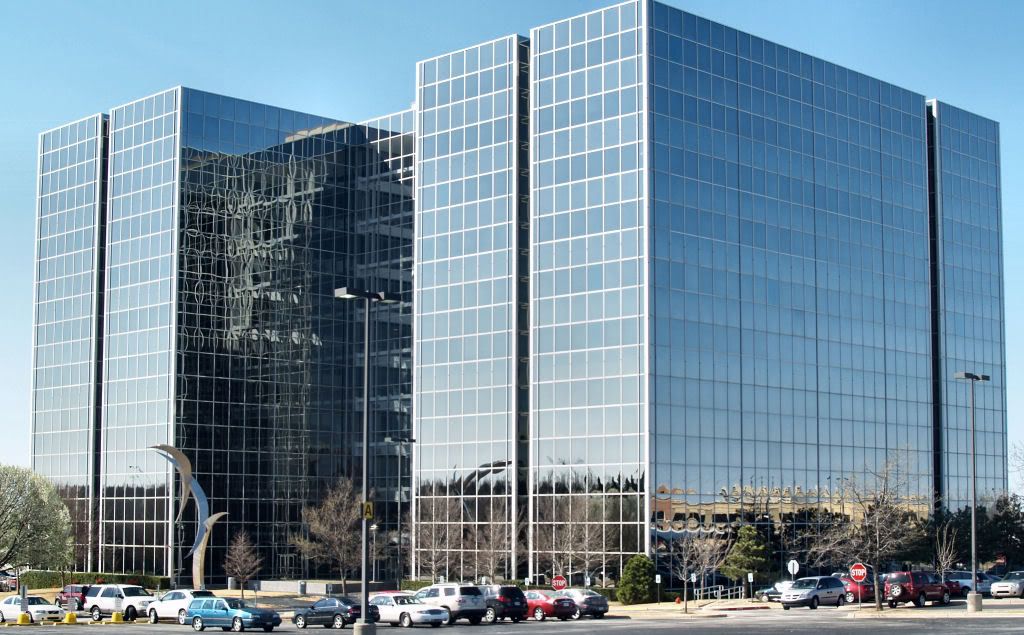 Caliber Center (Hertz)
 Hightower
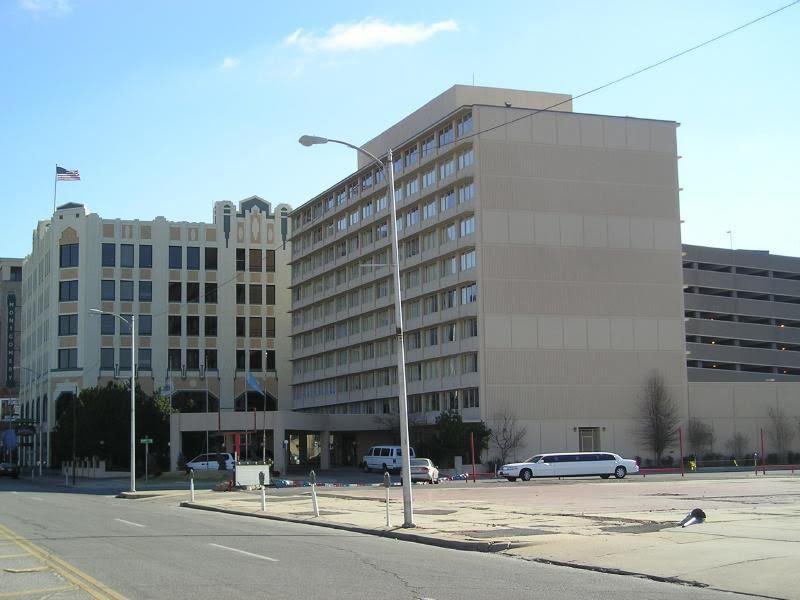 Character First (Holiday Inn)
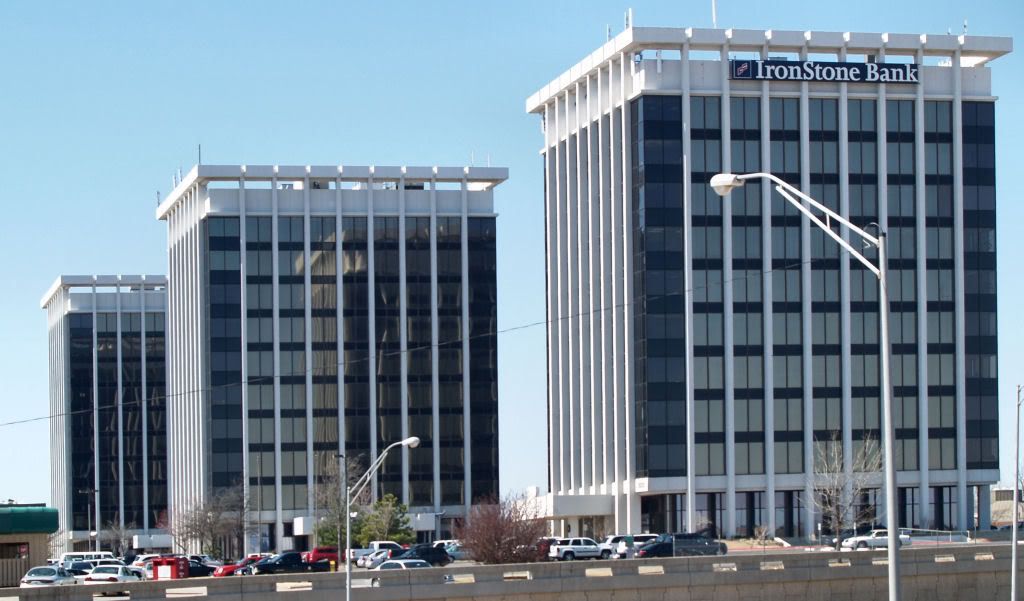 Landmark Towers Center
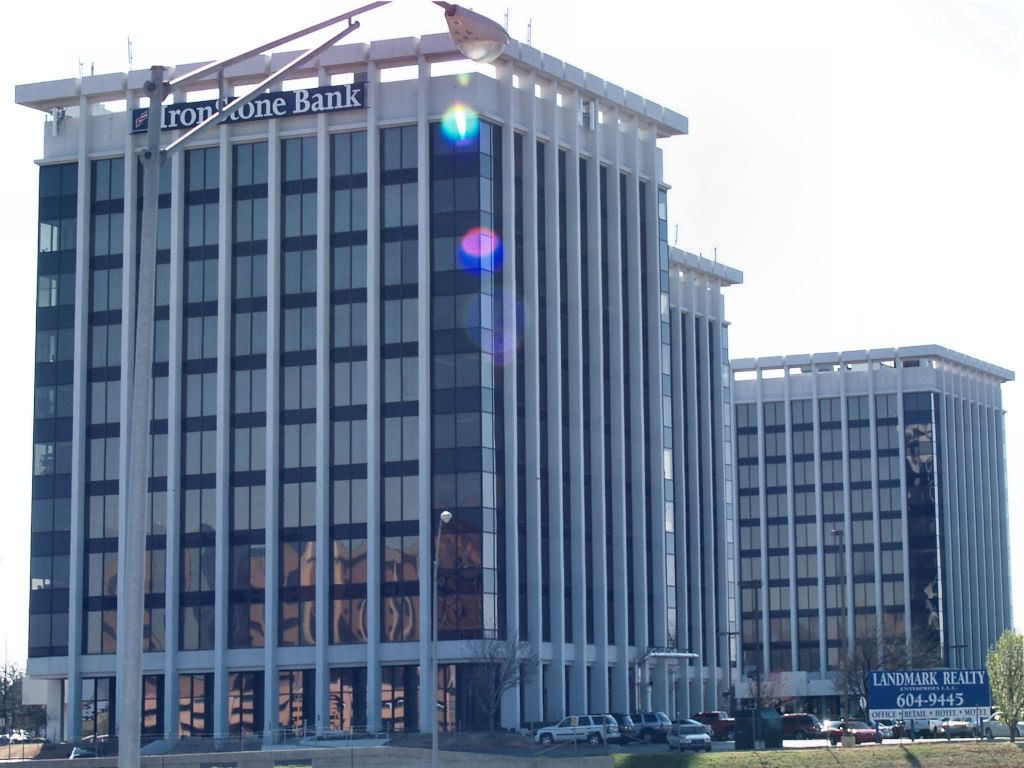 Landmark Towers East
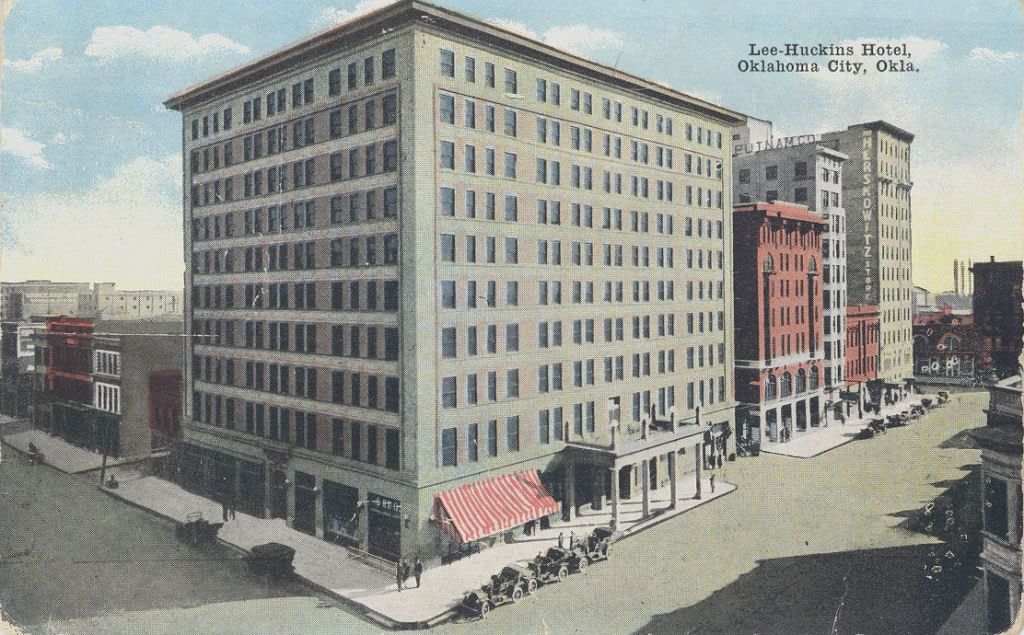 Lee Huckins Hotel
 Main Place (Harbour Longmire)
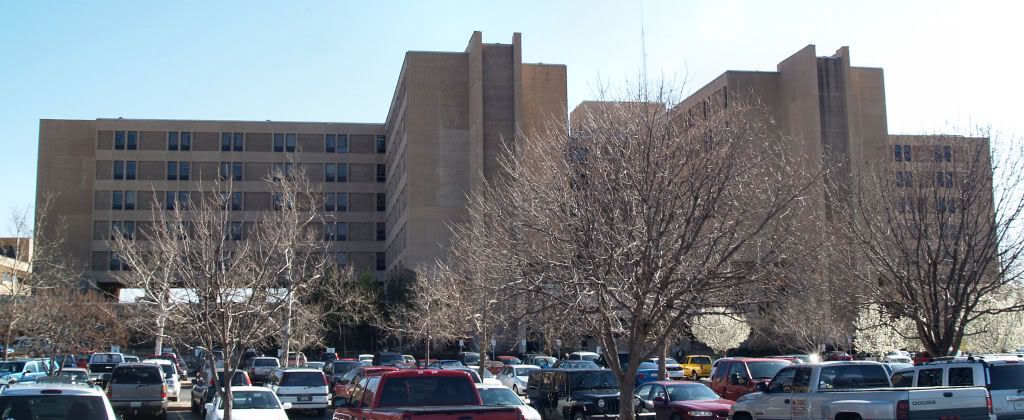 Mercy Health Center
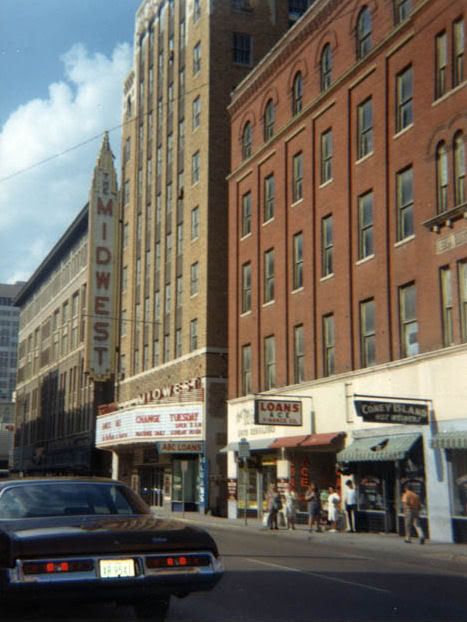 Midwest Building
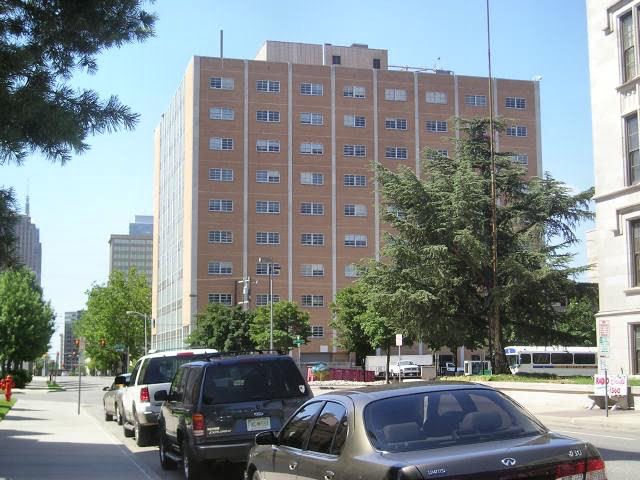 OK DEQ (SW Bell)
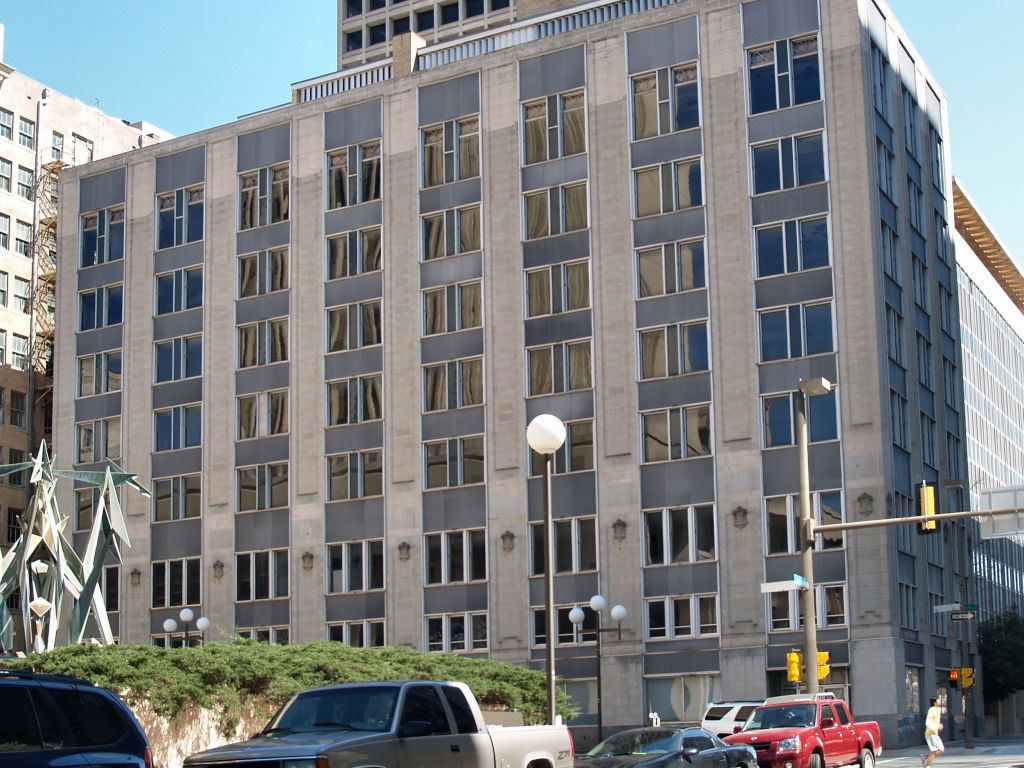 OK Savings & Loan
 Roberts Hotel
 Robinson Plaza (IRS)
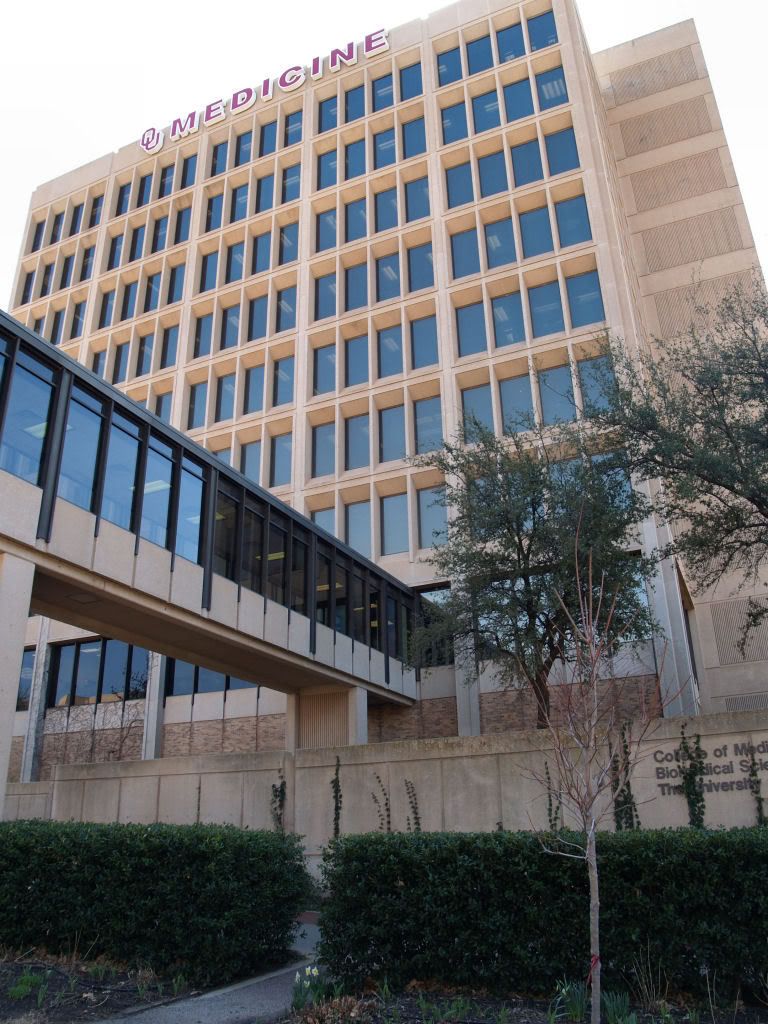 Biomedical Sciences Building
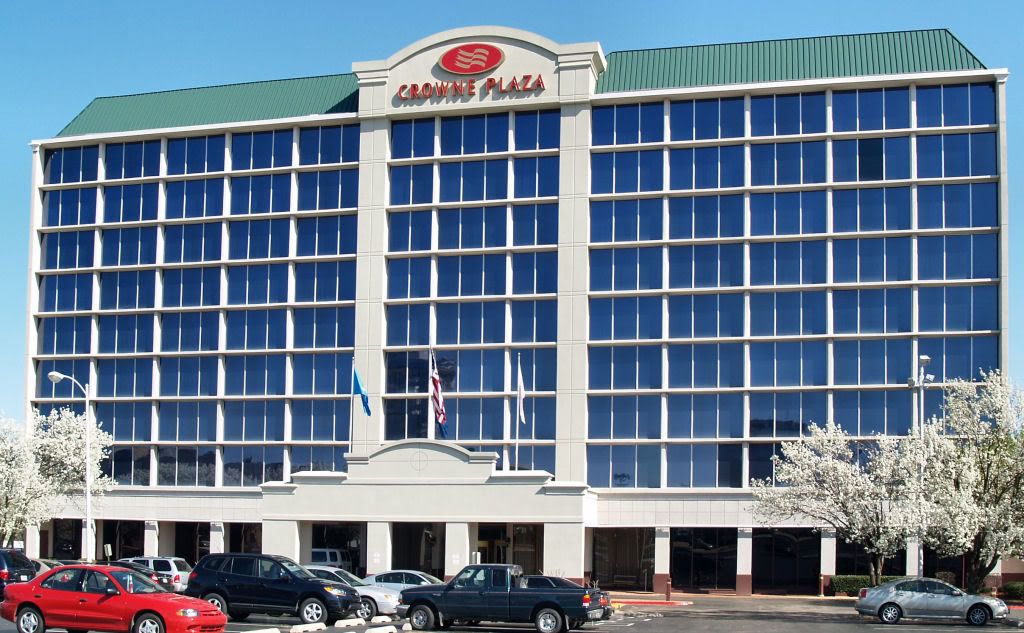 Crowne Plaza Hotel
 Hampton Inn
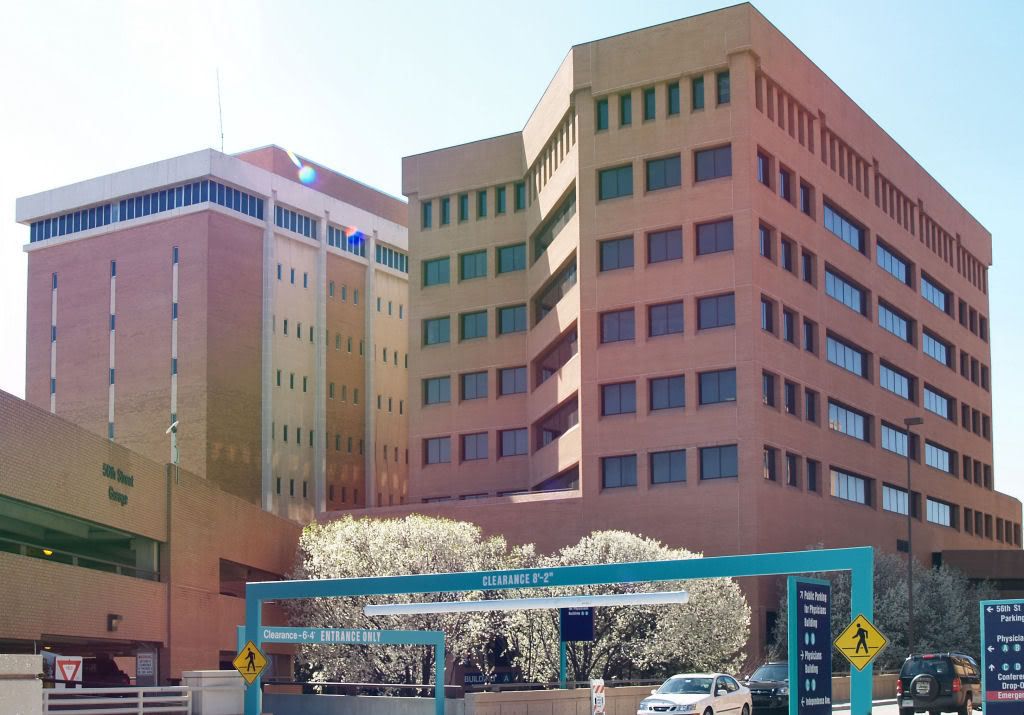 Integris Baptist Building B
 Murrah Federal Building
 US Bankruptcy Court (Post Office)
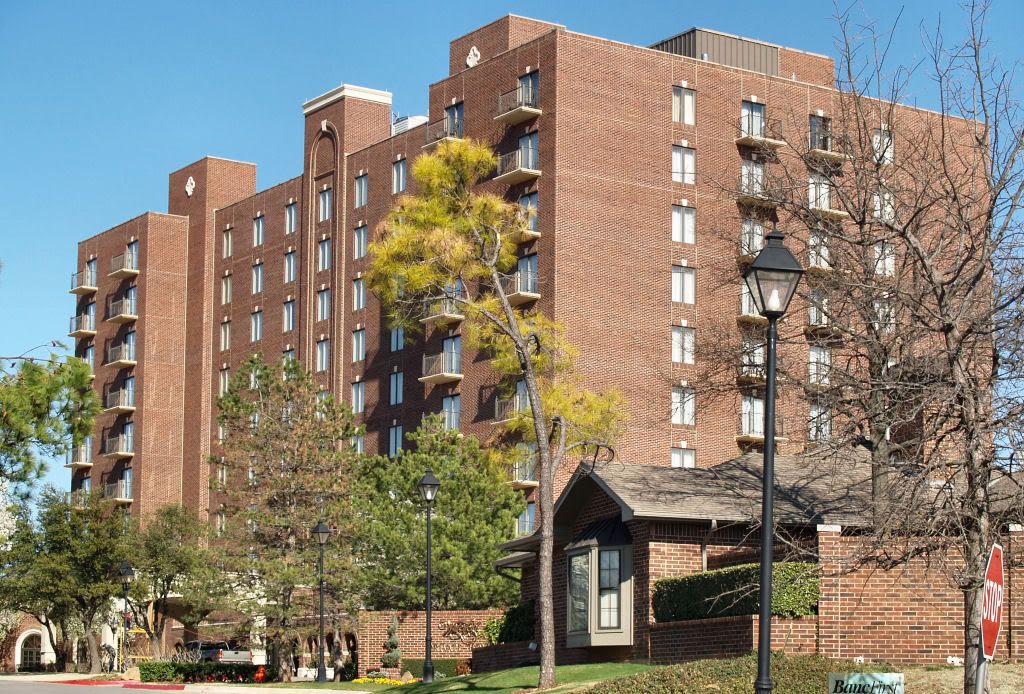 Waterford Marriott Hotel
 American National Bank
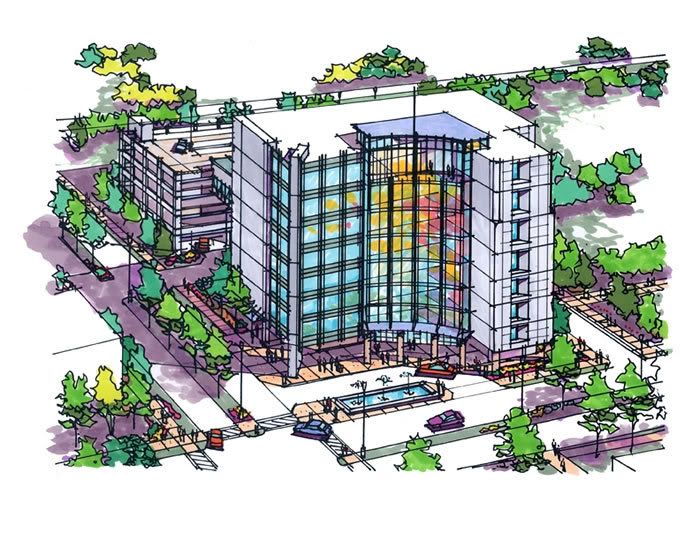 Cancer Research Center
 Courtyard Marriott Hotel
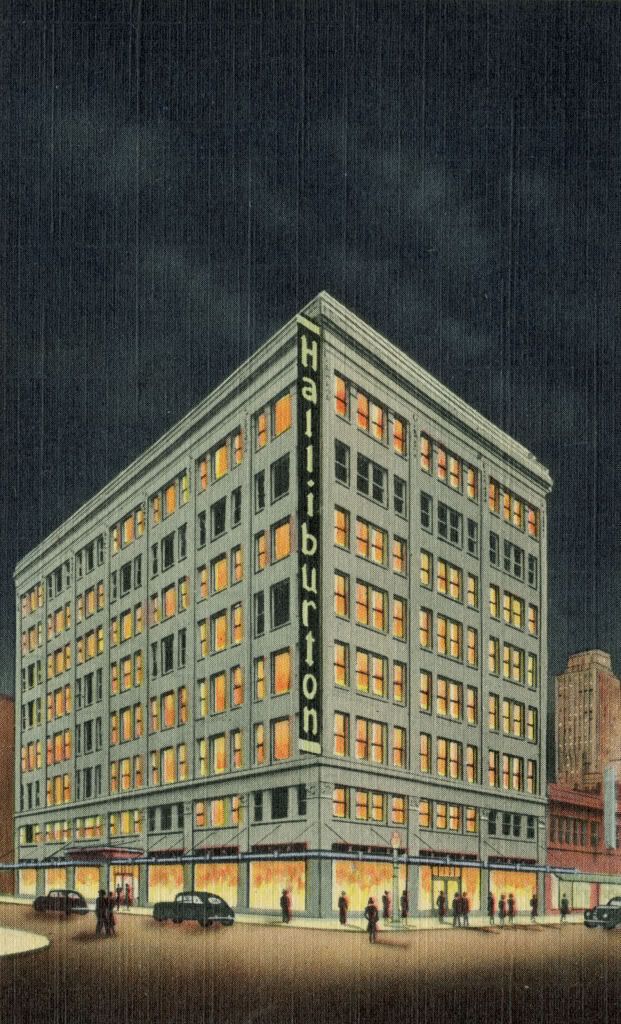 Halliburton's
 Insurance Building
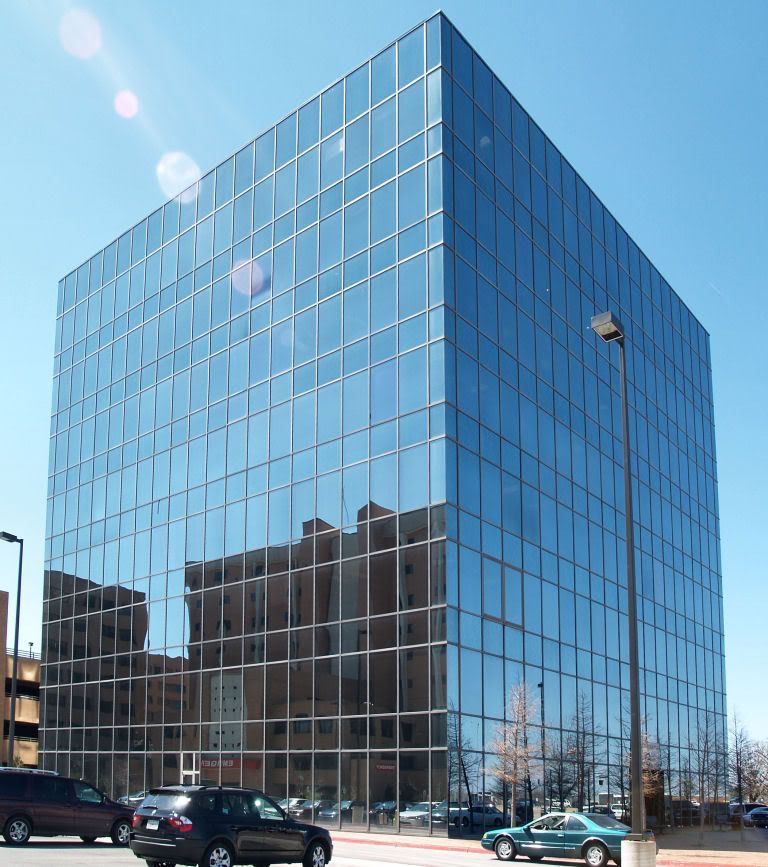 Integris Baptist Building C
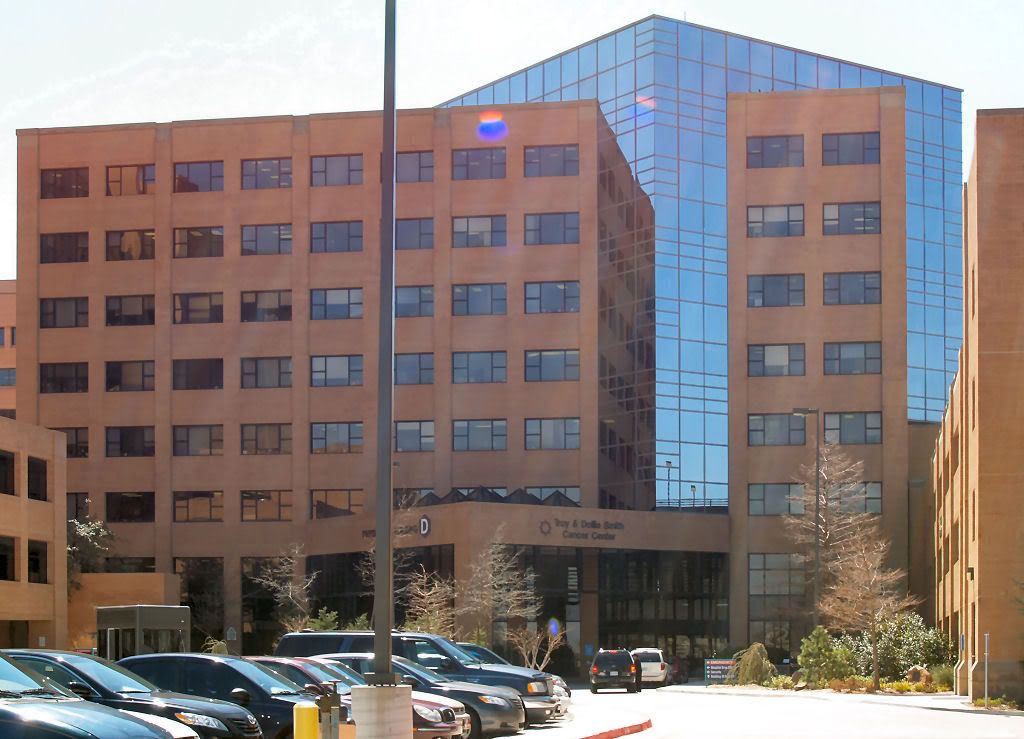 Integris Baptist Building D
 Lawrence Hotel
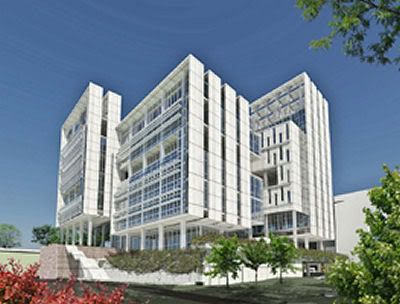 OK Medical Research Tower
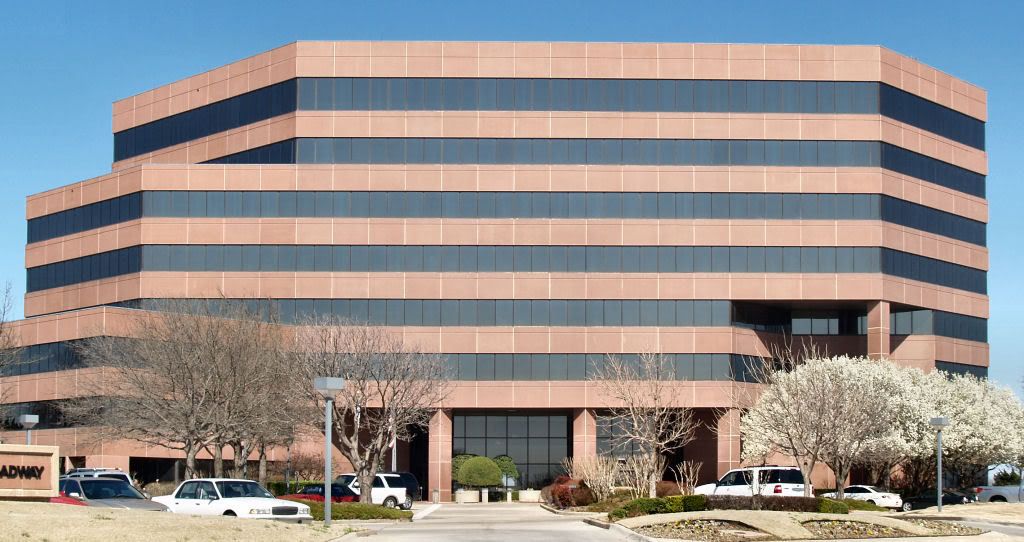 One Behnam Place
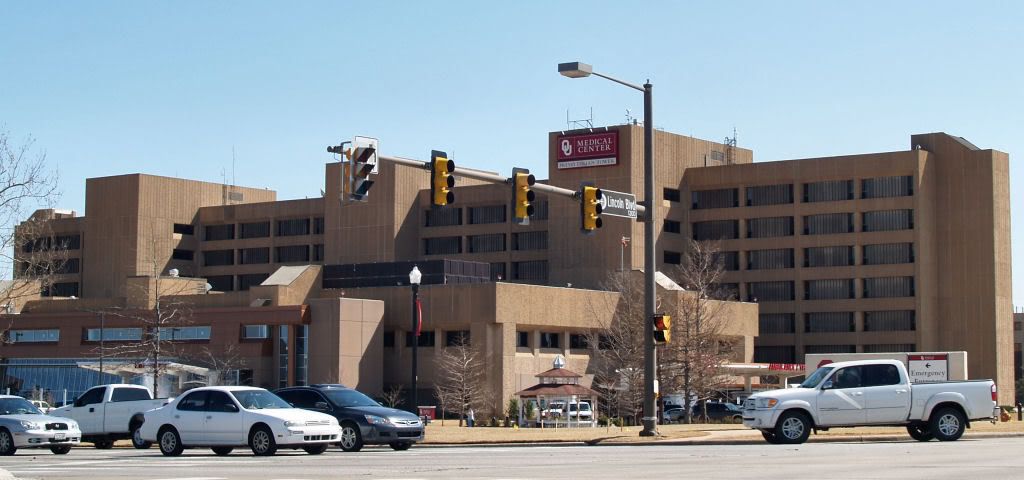 Presbyterian Tower
 Western Tower
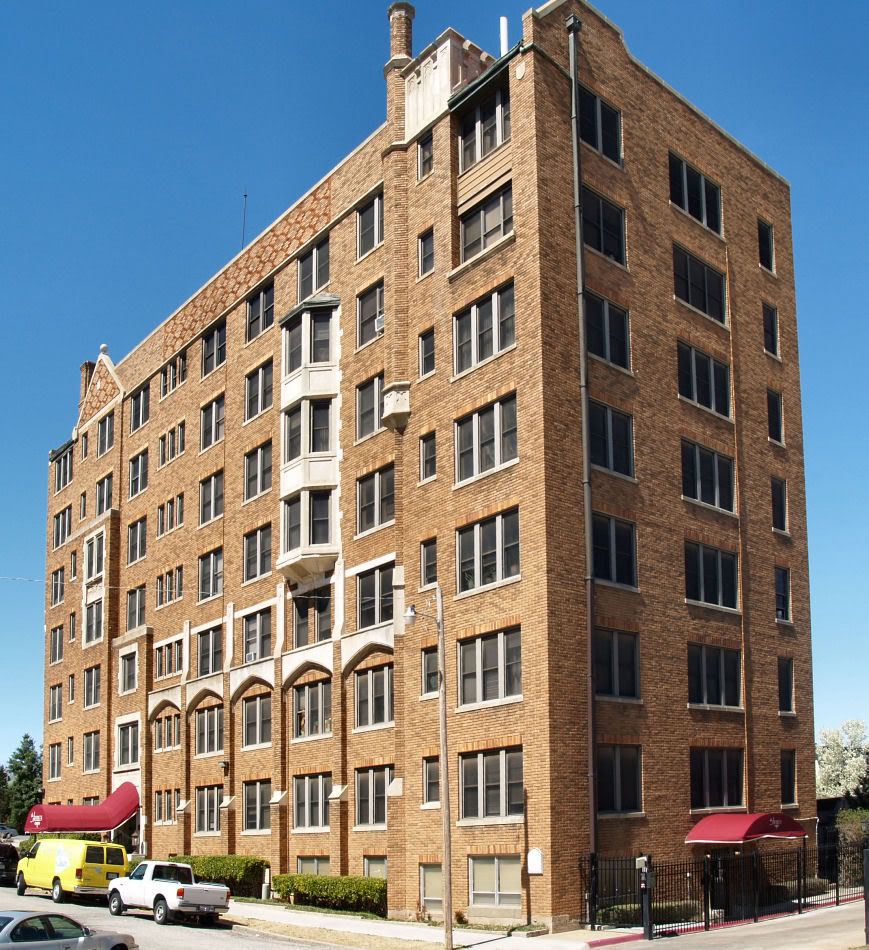 Aberdeen Apartments
 What's Next?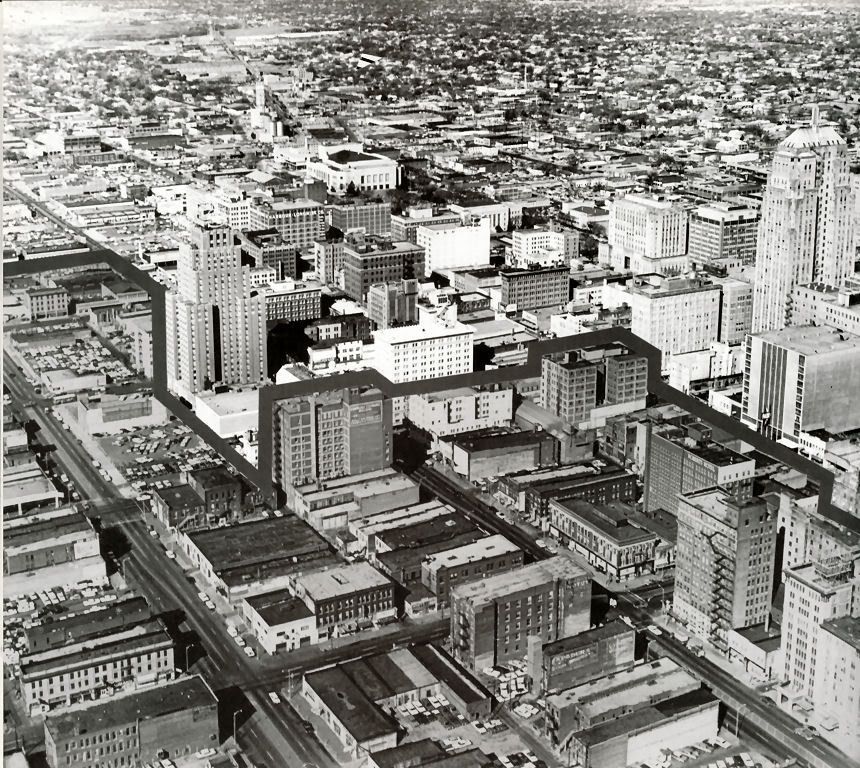













 Posts
Posts


